Theopolis Logo

Writing

Explore our collection of theological essays, biblical studies, and reflections on faith and culture.

See all
e99a9334
Advent

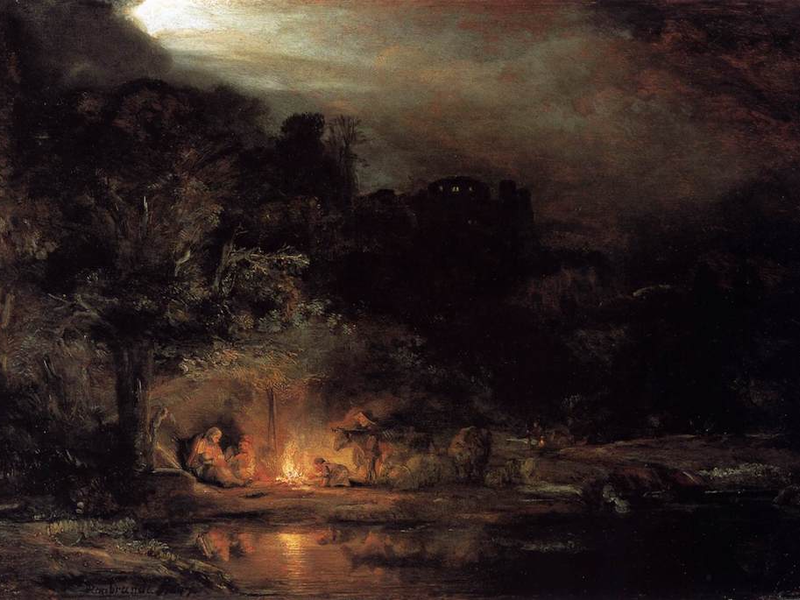
Stretching Christmas

For many people Christmas comes on December 25 and is over December 26. The tree is taken down along with the lights and the other decorations, and everyone begins setting the house in order for the new year. No more Christmas hymns. No more celebrations (well, until New Year’s Eve).…

by Steve WilkinsDecember 24, 2016
ascension
Advent

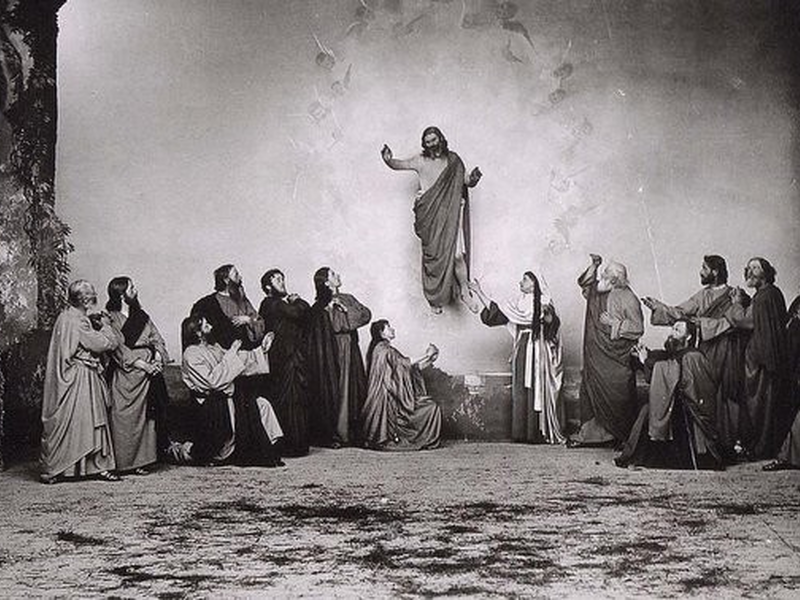
Ascension and Incarnation

The Ascension and the Incarnation should not be disconnected in our Christmas thinking or celebrations. As N.T. Wright notes, the ascension is "a central and vital feature without which all sorts of other things start to go demonstrably wrong. . . . where the ascension has been ignored or misunderstood,…

by Roy AtwoodDecember 23, 2016
nativity-rembrandt
Advent

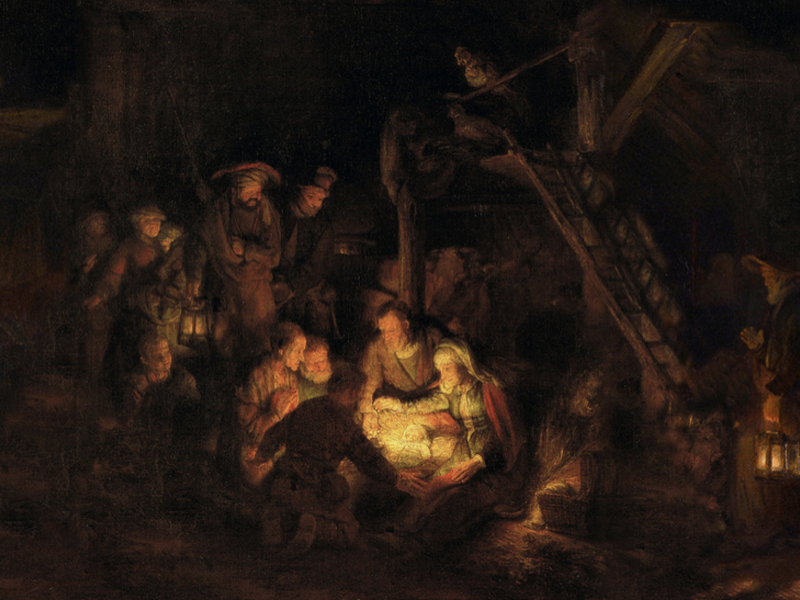
Christmas Light

“In the Word was life, and the life was the light of men. And the light shines in the darkness.” Thus John describes the incarnation of the Son. He comes as the living and life-giving light of the world. That’s good news. In the beginning, God spoke and light shone…

by Peter LeithartDecember 23, 2016
nativity-chagall
Advent

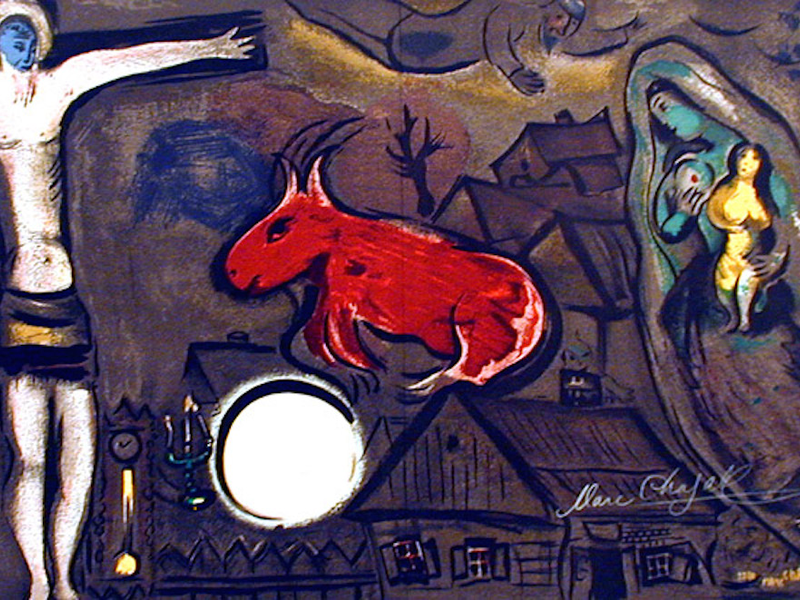
The Spirit of Christmas

Christmas is all about Jesus. The angels announce Jesus’ birth, shepherds and wise men come to see Jesus, Herod wants to kill Jesus. We occasionally think of the Father who sent the Son, but we keep returning to the Son made flesh in Bethlehem’s manger. Meanwhile, as always, the Spirit…

by Peter LeithartDecember 22, 2016
nativity
Advent

The Humility of God

Christmas is about many things, but one of the chief things revealed in the gospel of Christmas is the humility of God. We don't often think of humility as an attribute of God. If God is glorious and exalted, we think, He must be haughty and proud and self-centered. We…

by Peter LeithartDecember 21, 2016
screenshot-2025-12-15-at-8-35-45-am
Advent

Advent of Unity

John famously begins his Gospel with a piece of theology: “In the beginning was the Word, and the Word was with God, and the Word was God.” Matthew starts with a genealogy. John celebrates Advent with a hymn, Matthew with a list. For John, Jesus is the Word of creation…

by Peter LeithartDecember 20, 2016

Showing page 120 of 309

See all
See all
Literature

Conrad and empire

William Deresiewicz has an excellent review of a new biography of Joseph Conrad in the June 11 issue of TNR . One thread of the review has to do with Conrad’s phantasmagorical vision of European imperialism and his related concern for the moral dangers of isolation from well-known social habits…

June 5, 2008

Meaning and Significance

In an effort to maintain his distinction of meaning and significance, interpretation and critical assessment, E. D. Hirsch examines Welleck’s treatment of Marvell’s phrase “vegetable love.” He notes that “Welleck could not even make his point unless he could distinguish between what ‘vegetable’ probably means as used in the text…

June 4, 2008

Saussure and semantics

Tallis yet again: He argues that confusion of langue and parole : leads to “conflation of the idea of a world as a value or set of values within the system with the meaning of a word used on a particular occasion, that by virtue of which verbal meaning is…

June 4, 2008

Differance and words

Tallis thinks that one of the basic confusions of post-Saussurean criticism is a confusion of the levels of parole and langue . Signifiers and signifieds are, for Saussure, purely differential; but words are not signifiers or signifieds, but types of signs, which are combinations of the two. Signifier and signified…

June 4, 2008

Language and reality

Does language take cues from reality? Tallis says Yes; at least, that’s one kind of relation language has to reality. His charming evidence: He notes that it’s more common to add “barking” to “dog” than to add other verbs. If language doesn’t take its cues from reality, “we must surely…

June 4, 2008

Spatial and Linguistic “Edges”

Tallis contests the post-structuralist notion that all distinctions are linguistic, imported to reality by what we say about them. This, he thinks, oversimplifies a more complex situation. For some realities, the “edges” are determined by language, because those realities depend on classifications that we have brought to the real world.…

June 4, 2008

Showing page 1508 of 2212

Browse by Category

In Medias Res

Your weekly digest for all things Theopolis.

Donate

Theopolis is nearly 100% donor-supported. Consider joining us on our mission.