Theopolis Logo

Writing

Explore our collection of theological essays, biblical studies, and reflections on faith and culture.

See all
img_1456
Epistemology

Seeking Integration in a Fragmented World: Covenant Epistemology: The Integrative Regard of the Other

Fragmentation characterizes our era. Bits, bytes, chips, data points. Ourselves as reducible to the meaningless. We can feel dehumanized and lost. We seek wholeness, integration. We rightly believe that integration brings meaningfulness, somehow doing better credit to ourselves as humans and to the world. More than that, integration somehow aligns…

by Esther Lightcap MeekJune 5, 2018

hebrew-manuscript-2
Proverbs

The Dramatic Structure of Proverbs

The book of Proverbs appears as a largely random collection of aphorisms drawn from experience saturated in law. Despite its random arrangement, however, the book does have an over-arching structure that reinforces its main themes. One way to gather clues regarding the structure of a biblical book (or any book)…

by Peter LeithartMay 31, 2018
infant-baptism
Baptism

Infant Baptism in the History of the Church

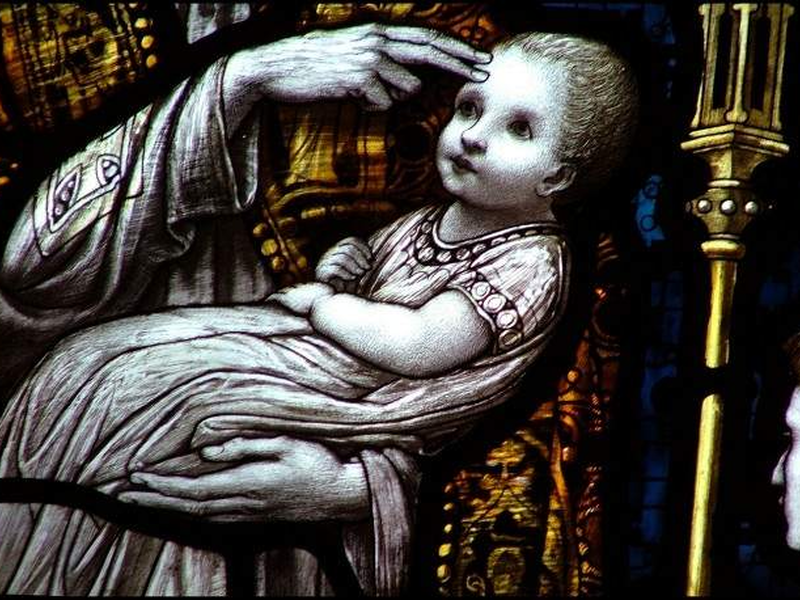
Ancient practice in the Church sets an important precedent for present day practice. This certainly doesn’t mean that Christians are bound to only do things as they have always been done, but the principles of catholicity and unity move us not to break from historic church practice on a particular…

by Timothy LeCroyMay 29, 2018
tower-of-babel
Biblical Studies

Babel Academy, Part 2

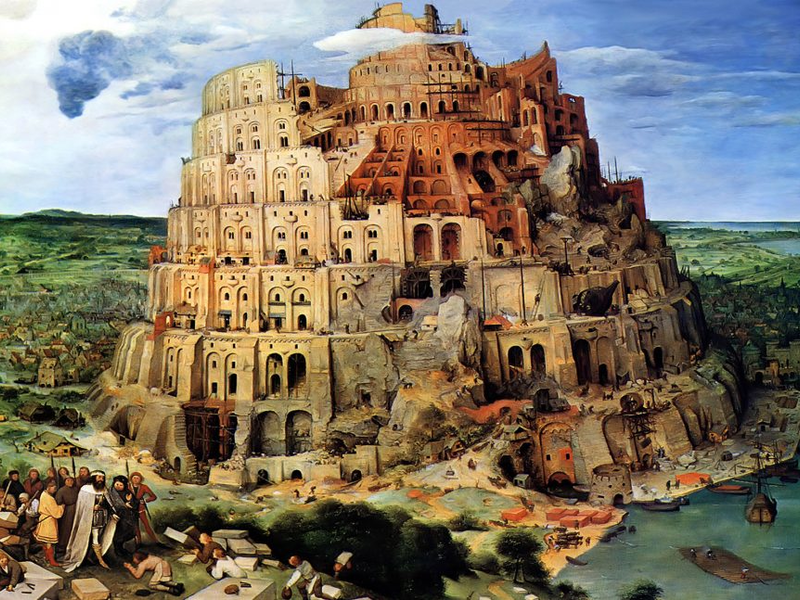
For Part 1, click HERE . Genesis 1 describes the creation of the physical order. Genesis 2 recapitulates the pattern of Genesis 1 as it describes the creation of the social order. Genesis 3 describes the intended founding of an ethical order. It was here that sin entered into the…

by Mike BullMay 24, 2018
babelhead
Biblical Studies

Babel Academy, Part 1

The Business of Keeping the Saints in the Dark Let there be light! The first recorded “spoken” words of God. Curiously, even this creative decree was a deed whose fruit required an appraisal. God judged the light and separated it from the darkness. As the cardinal act within a newborn…

by Mike BullMay 22, 2018
markus-winkler-aid-xyrtlec-unsplash
Course Announcement

A Week with Esther Meek - An Introduction to Covenant Epistemology

We are very pleased to announce that Esther Lightcap Meek will be the instructor for our 2018 Trinity Course in August. The course is titled "Loving to Know: Introducing Covenant Epistemology" and will be held August 13-17 at Beeson Divinity School. Esther Meek, Ph.D., is Professor of Philosophy at Geneva…

by TheopolisMay 21, 2018

Showing page 93 of 309

See all
See all

Jesus in the Fatherland

According to Davies and Allison, Matthew organizes the incident at Nazareth as a chiasm: A. Jesus comes to his patris and teaches in the synagogue B. People are amazed C. Where did he get these powers? Don’t we know his family? B’. People are scandalized A’. Jesus speaks about His…

May 31, 2008

Discipled scribe

Matthew quotes Jesus in 13:52 saying that a scribe “discipled by the kingdom” brings out old and new treasures. Davies and Allison note that this has sometimes been taken as a play on the author’s name: “Matthew” puns with the Greek of “disciple” ( matheteutheis ). Davies and Allison dismiss…

May 31, 2008
History

Marketing Time

Levine again: “Samuel P. Langley, who was eventually to become Secretary of the Smithsonian Institution, was the first to cash in on the growing demand for time coordination. In 1867, Langley took over the directorship of a struggling observatory in Allegheny, Pennsylvania, and quickly developed its timekeeping capabilities. He then…

May 30, 2008
History

Aromatic time

Levine writes, “The Chinese developed an incense clock. This wooden device consisted of a series of connect small same-sized boxes. Each box held a different fragrance of incense. By knowing the time it took for a box to burn its supply, and the order in which the scents burned, observers…

May 30, 2008
History

Labor saving

Robert Levine ( Geography of Time ) notes that “recent research indicates that farm wives in the 1920’s, who were without electricity, spend significantly less time at housework than did suburban women, with all their modern machinery, in the latter half of the century. One reason for this is that…

May 30, 2008
History

What Hath the Clock Wrought?

Why don’t longshoremen or sailors or assembly-line workers sing as they work? Blame it on the clock. Lewis Mumford wrote in the 1950s, “To keep time was once a peculiar attribute of music: it gave industrial value to the workshop song or the tattoo or the chantey of the sailors…

May 30, 2008

Showing page 1511 of 2212

Browse by Category

In Medias Res

Your weekly digest for all things Theopolis.

Donate

Theopolis is nearly 100% donor-supported. Consider joining us on our mission.