Theopolis Logo

Writing

Explore our collection of theological essays, biblical studies, and reflections on faith and culture.

See all
baptism
Baptism

And He Gave Some To Be Parents

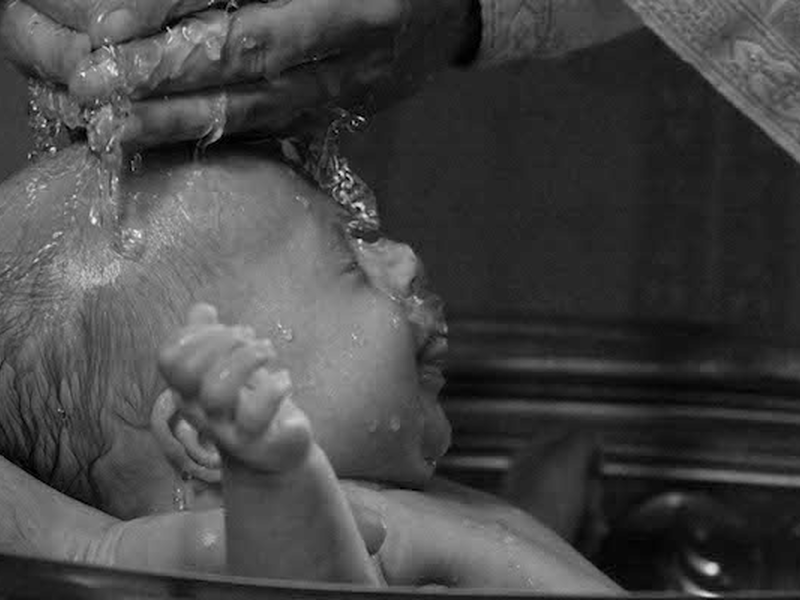
Standing in the narthex at the font, parents joyfully approach with their newborn child. The pastor asks the parents a series of questions that may include their renunciation of the devil and all his works, their faith in God the Father, Son, and Spirit as explained in the Apostles’ Creed,…

by Bill SmithFebruary 17, 2015
christ-presentation-in-temple
Luke

Anna of Asher

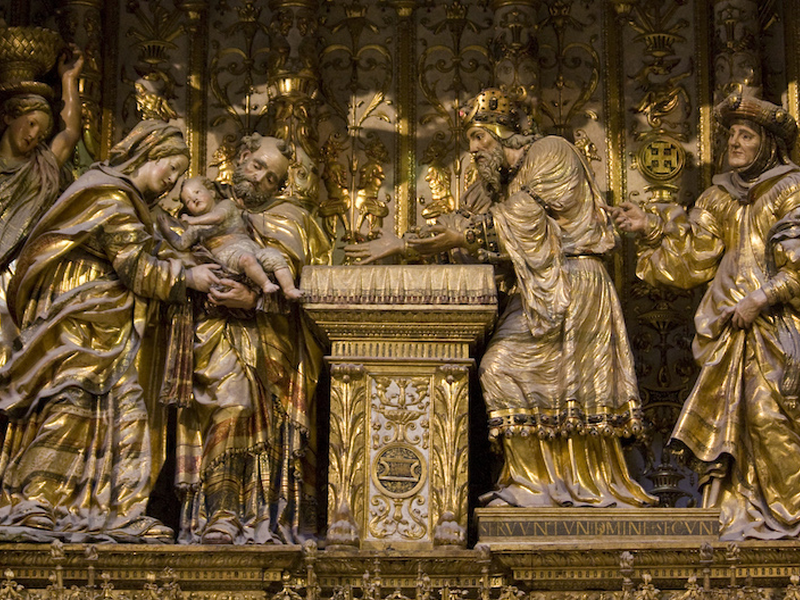
And there was a prophetess, Anna, the daughter of Phanuel, of the tribe of Asher. She was advanced in years, having lived with her husband seven years from when she was a virgin, and then as a widow until she was eighty-four. She did not depart from the temple, with…

by Dave ShawFebruary 12, 2015
emmanuel-phaeton-1bwmfmvybi8-unsplash
Psalms

Psalm 30

Get the Psalm 30 Translation here Psalm 30 is a song for the dedication of "the house." Since it is by David, the house would seem to be his palace in Jerusalem. The psalm has an ABA structure, with the B structure being an exhortation to the saints, and the…

by James B. JordanFebruary 11, 2015
boat-rough-water
Same-Sex Marriage

Love Makes the World Go Round

I once asked a ferryboat captain if steering a ferry was any different than driving, say, a big semi truck. He looked at me like I had just asked whether a bowling ball fell when you dropped it. “It’s completely different,” he said. “On the river, you never stay pointing…

by Christian LeithartFebruary 10, 2015
romeo-juliet
Literature

Where A Man Belongs: Courtship Advice from Shakespeare

The key scene in Shakespeare's Much Ado About Nothing comes just after the first wedding scene when Claudio tosses Hero aside as a "rotten orange." He has been tricked into thinking that Hero is unfaithful, and that is an affront to his honor. He won't put her away quietly. He…

by Peter LeithartFebruary 7, 2015
cloister
History

What You Learned About the Middle Ages Was Wrong

Medieval Christianity is in the news. That’s exciting for me as I have a PhD in medieval theology and I teach Ancient and Medieval Church History at Covenant Seminary. Thus I have a little “skin in the game,” as the saying goes. Earlier this week our President made some comments…

by Timothy LeCroyFebruary 6, 2015

Showing page 160 of 309

See all
See all
Science

Devil’s Delusion

Of all the people I’ve seen on film recently, the one I’d most want to be is David Berlinski, whom Ben Stein interviewed extensively in his Paris apartment that reeked with sophistication and culture. Berklinski, by his own definition a “secular Jew” with no memory of Hebrew, has just published…

May 21, 2008

Obama’s subtexts

In an intriguing piece in TNR , writer Cinque Henderson - who identifies himself as one of the few remaining Clinton supporters among African-Americans - explains Obama’s use of “hoodwinked” and “bamboozled” (not the first words to spring to Obama’s lips, one would think) in the South Carolina primary: “It…

May 21, 2008
Philosophy

Flat souls

Kristeva says that contemporary culture separates affects from language, which leads to a loss of soul. Souls are empty. To help, our culture offers drugs and entertainment. Drugs flatten experience to a drone; entertainment dazzles momentarily with two-dimensional images. So do our solutions increase the problem. Flat remedies for flat…

May 20, 2008

Body/Language

Kristeva’s distinction of semiotic and symbolic is intended to overcome the dualism of traditional linguistic theories, the dualism of body and language, or matter and language. For Kristeva, the “semiotic” is the way drives are organized or “discharged” in language, and thus includes everything that is meaningful in language but…

May 20, 2008

Langue without speakers

Julia Kristeva notes that Saussure’s linguistic theory permits “linguistics to claim a logical, mathematical formalization on the one hand, but on the other, it definitely prevents reducing a language or text to one law or one meaning.” This latter point is true because by splitting the sign into signified and…

May 20, 2008

Limits of Dialectic

Desmond thinks that dialectic makes some gains: It affirms the “complex sense of unity,” appreciates mediation, critiques dualism, defends the “interplay and community of immanence and transcendence.” But dialectic cannot be the final moment of metaphysics. Why? “The problem is that if we privilege self-mediation and erect this into the…

May 20, 2008

Showing page 1516 of 2212

Browse by Category

In Medias Res

Your weekly digest for all things Theopolis.

Donate

Theopolis is nearly 100% donor-supported. Consider joining us on our mission.