Theopolis Logo

Writing

Explore our collection of theological essays, biblical studies, and reflections on faith and culture.

See all
paul-2
Romans

Notes on Scary Stuff in Romans 9

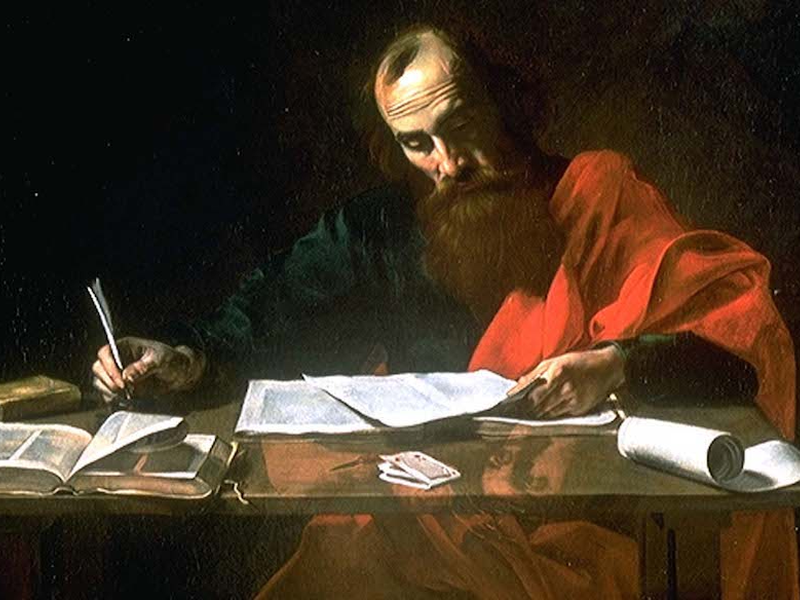
What shall we say then? Is there injustice on God’s part? By no means! For he says to Moses, “I will have mercy on whom I have mercy, and I will have compassion on whom I have compassion.” So then it depends not on human will or exertion, but on…

by Mark HorneFebruary 5, 2015

lunch-counter
American Politics

Covenants of Exclusion

A hundred years ago, William Warley signed a contract to buy a house in Louisville, Kentucky from Charles Buchanan, a white man. Before closing the sale, Warley, who was black, learned that the lot was subject to a city ordinance barring blacks from occupying the premises if most of the…

by Brendan O'DonnellFebruary 3, 2015
shakespeare-2
Literature

The Bard and the Book

I concluded the first essay on this topic by saying that I would introduce three books about Shakespeare and the Bible, but I decided to introduce four instead. The three books become four are: Naseeb Shaheen, Biblical References in Shakespeare’s Plays (London: Associated University Presses, 1999) ; Hannibal Hamlin, The…

by Ralph Allan SmithJanuary 29, 2015
augustine-2
Augustine

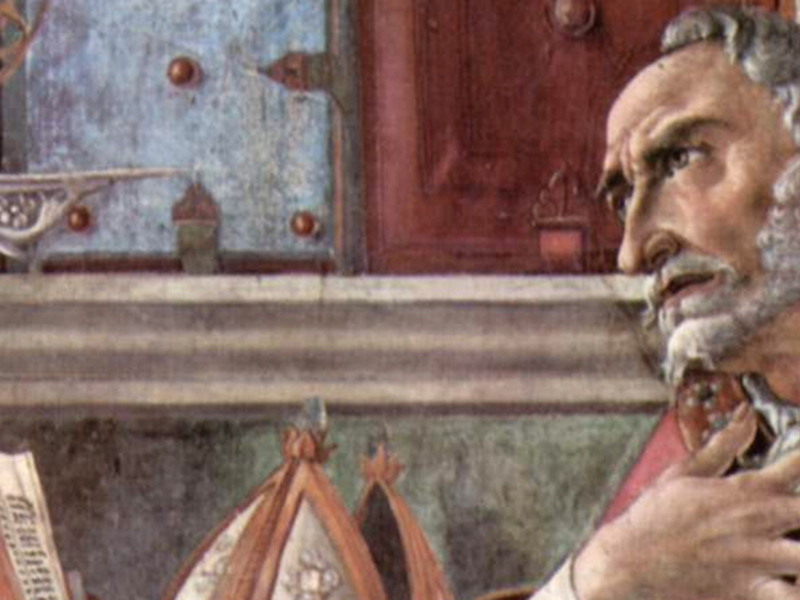
Augustine on Pagan Virtue

My children attend a classical Christian school, situated in the independent “free church” evangelical tradition. Over the past few years they have been growing in their acquaintance with the world of Homer, Plato, Virgil, and Livy. They enjoy it, and I envy it. The school is a great school. My…

by Gerald HiestandJanuary 27, 2015
prodigal-son
Atonement

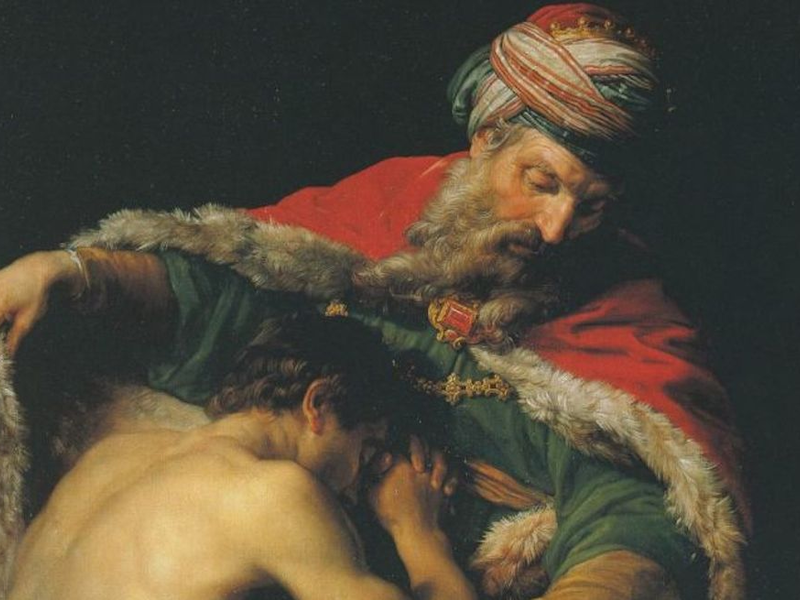
The Prodigal and the Cross

The Prodigal Son parable (Luke 15) has been a favorite of liberal theologians for a couple of centuries. It seems to be a parable designed for liberal sensibilities: An indulgent, accepting Father; forgiveness extended without a cross; a surly older brother who might represent the "conservative" face of religion who…

by Peter LeithartJanuary 22, 2015
sky-from-bridge
Ascension

Underground Man, Ascended Man

“I want now to tell you, gentlemen, whether you care to hear it or not, why I could not even become an insect. I tell you solemnly, that I have many times tried to become an insect. But I was not equal even to that. I swear, gentlemen, that to…

by Richard BledsoeJanuary 20, 2015

Showing page 161 of 309

See all
See all
History

Saving the flesh

Melanchthon wrote, “The views of Erasmus might have caused greater tumults if Luther had not arisen to arrest them . . . all of this tragedy about the Lord’s Supper started from him.” Melanchthon had in mind Erasmus’s Neo-platonic disparagement of matter, which infected Zwingli and filtered into Anabaptist theology.…

April 30, 2008

Tyre’s sacrifice

Zechariah predicts that Tyre will be dispossessed and her wealth cast into the sea (v. 4), and then the city will be “consumed with fire.” The verb is the common verb for “eating,” and the picture of an “eating fire” sends the mind back to the sacrificial system, where the…

April 29, 2008

Wisdom of Tyre

Zechariah 9:1-4 focuses on the conquest of Tyre, the “wise” city, shrewd at least in amassing wealth (v. 3). But the celebratory description contains a subversive pun. The Hebrew for Tyre is tsor (“rock”), and Zechariah says that Tyre has built herself a fortress, a word built on the same…

April 29, 2008
History

Counting years

In the second edition of African Religions and Philosophy (1989), John Mbiti says that Africans generally lack a concept of the future. Their future tenses reach only a short time into the past, and one people leave the present they are absorbed into an atemporal afterlife. Mbiti notes as well…

April 28, 2008
History

Scale of religions

E.B. Tylor was the first to characterize African religions as “animist,” remarking that “one great element of religion, that moral element which among the higher nations forms its most vital part, is indeed little represented in the religion of the lower races.” Others characterized the”lower religions” as “fetishist” because of…

April 28, 2008
History

Vindication of Barbarians

Tatian’s Oration to the Greeks is an attempt to vindicate the wisdom of Moses against Greek snobbery toward the barbarians. Aime Puech points out that chronology was central to Tatian’s argument: “In order to rehabilitate the Barbarians it was important to prove that they had contributed their share, indeed the…

April 28, 2008

Showing page 1525 of 2212

Browse by Category

In Medias Res

Your weekly digest for all things Theopolis.

Donate

Theopolis is nearly 100% donor-supported. Consider joining us on our mission.