Theopolis Logo

Writing

Explore our collection of theological essays, biblical studies, and reflections on faith and culture.

See all
evangelists
Matthew

Dating Matthew, (Part 1)

When might the Gospel according to Matthew have been written? Of course, any answer can only be speculation, but that does not mean we are reduced to groundless opinion. In this series of articles I point the way to an approach different from the general consensus among scholars today which…

by Ralph Allan SmithNovember 22, 2016

hebrew-manuscript-3
Hermeneutics

Synopticity, (Part 2)

In my first essay on “synopticity” I offered a rather rough definition of the phenomenon and important, though not exhaustive examples. In this essay, I want to introduce broader aspects of the phenomenon of “synopticity.” The first example that I have in mind is conventional stories, stories of different historical…

by Ralph Allan SmithNovember 17, 2016
screen-shot-2016-03-31-at-9-32-11-am
Ascension

Brexit and the Binding of Satan, Part 4

Since the judgment of Babel was followed by the initiation of the circumcision, the impending end of the circumcision in AD70 explains the significance of the first century miracle of foreign tongues. Except for a few Aramaic “teasers” in the book of Daniel, the Word of God was monolingual and…

by Mike BullNovember 15, 2016
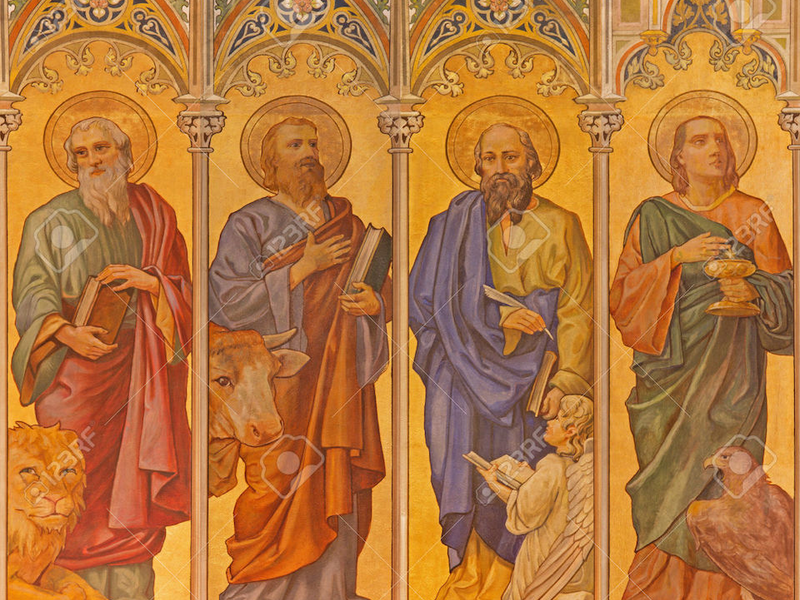
four-evangelists
Hermeneutics

Synopticity, (Part 1)

To the best of my knowledge “synopticity” is not a word used in theology or Biblical studies, but it seems an appropriate word to describe the kind of phenomena associated with the Synoptic Gospels, Matthew, Mark, and Luke. These three Gospels tell essentially the same story with significant — sometimes…

by Ralph Allan SmithNovember 10, 2016
laughing_statue_by_xxbobbiie-d5f0meh-2
Humor

Learning to Laugh

Humor is a funny thing. It is altogether familiar yet also mysterious. What makes us laugh? Why do we find things funny? There are academic fields of study dedicated to discovering what makes things humorous. These academicians even have a journal entitled International Journal of Humor Research . No joke.…

by Bill SmithNovember 8, 2016
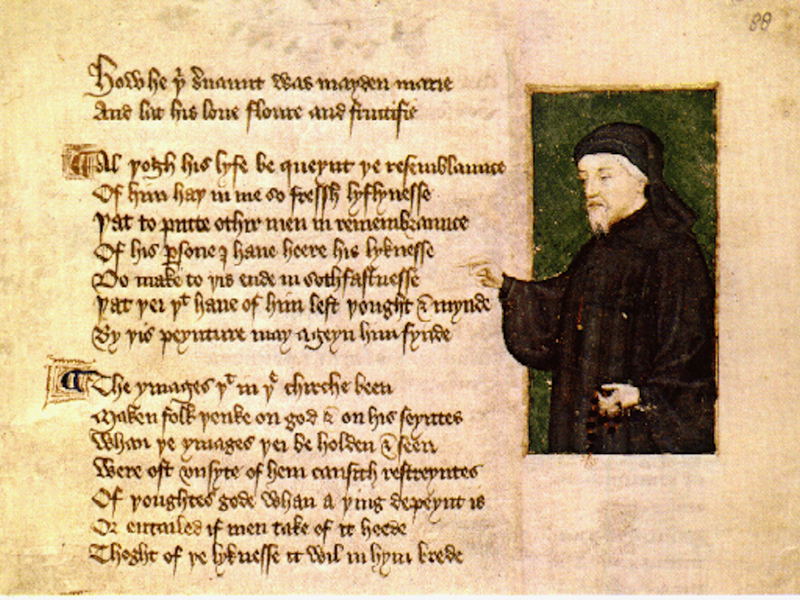
chaucer
Literature

Flawed Means of Grace: Liturgy in The Pardoner's Tale

Out of all the characters in Geoffrey Chaucer’s The Canterbury Tales , the Pardoner has been called the “one lost soul.” The pious Parson, who closes out the collection of tales with a sermon on the seven deadly sins and how a sinner can absolve himself of them, connects the…

by Christian LeithartNovember 3, 2016

Showing page 122 of 309

See all
See all
Literature

Austen and Islam

Dale Dykema of Covenant Home Curriculum writes: “I have just finished reading Infidel by Ayaan Hirsi Ali, a Somali Moslem woman converted to Dutch Humanism. Her efforts to expose the violence of Islam, especially its oppression of women is noteworthy. Of particular interest to me was how this woman discovered…

April 23, 2008
Politics

Liberal state

The liberal state is a free state, but it’s clear from Spinoza that freedom in a liberal state is limited to unlimited freedom of thought and speech. Action is controlled by the state, including religious action: “God has no special kingdom among men except in so far as He reigns…

April 23, 2008
History

Anabaptist modernity

The genealogy is pretty clear: Pietist-leaning Collegiants, with affinities to the Anabaptists of the sixteenth century, influence the theological and political view of Spinoza, leading him to write a treatise where he defends two central Anabaptist/Pietist clams: a) he attacks the tyranny of the letter and b) he argues for…

April 23, 2008
History

After Church

Another from Hatzfeld: “The Saturday after the [President’s] plan crash was the usual choir rehearsal day at the church in Kibungo. We sang hymns in good feeling with our Tutsi compatriots, our voices still blending in chorus. On Sunday morning we returned at the appointed hour for mass; they did…

April 22, 2008
History

African Scapegoating

In his harrowing book on the Rwandan killers of 1994, Jean Hatzfeld quotes one young man: “Suddenly Hutus of every kind were patriotic brothers without any partisan discord. We were through playing around with political words. We were no longer in our each-to-his-won mood. We were doing a job to…

April 22, 2008
History

Exporting Racism

According to Emmanuel Kolini and Peter Holmes ( Christ Walks Where Evil Reigned ), the Hutus and Tutsis of Rwanda were originally ethnically indistinguishable. Prior to colonialization, the difference was “vocational,” social and economic. Tutsis were cattle herders, Hutus farmers; Tutsis were Abel, Hutus Cain. When the Belgians took over,…

April 22, 2008

Showing page 1529 of 2212

Browse by Category

In Medias Res

Your weekly digest for all things Theopolis.

Donate

Theopolis is nearly 100% donor-supported. Consider joining us on our mission.