Theopolis Logo

Writing

Explore our collection of theological essays, biblical studies, and reflections on faith and culture.

See all
little-girl
Children

Honor God With Your Body

I am making a new rule in our house! We are actually kind of skimpy on the house rules. I try very hard to keep things simple: love God, love others, be joyful. It’s not complicated to avoid discipline here. But I have found myself repeating this new rule over…

by Lindsey TollefsonApril 9, 2015

giotto-noli-me-3
John

The Gardener and the Beloved, (Part 3)

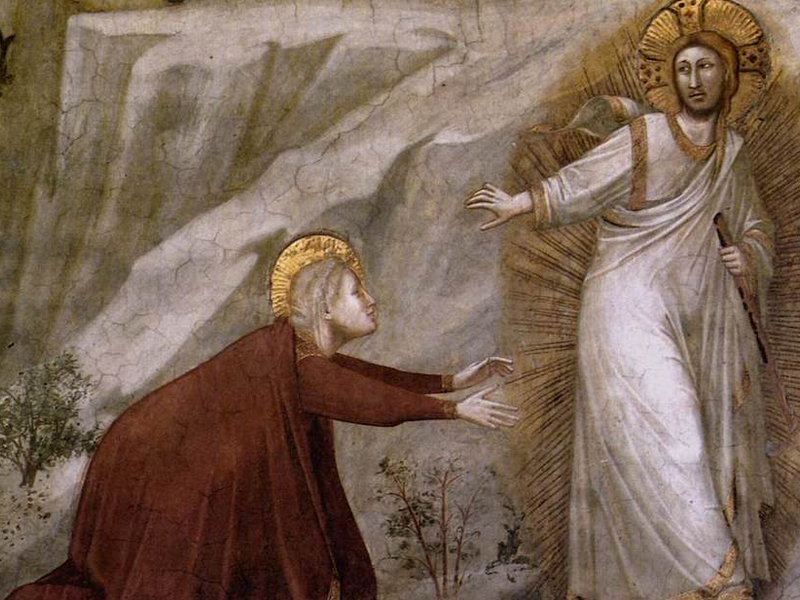
Click HERE for Part 2 The voice of Jesus transforms and changes Mary when she hears him speak her name. This is her last “turning.” So also the woman in the Song of Songs longs to hear the voice of her beloved. Let me see your face, let me hear…

by Jeff MeyersApril 6, 2015
giotto-noli-me-2
John

The Gardener and the Beloved, (Part 2)

Click HERE for Part 1. The details of this story call the attentive reader back to the drama of Solomon’s Song of Songs. And the Song of Song’s alludes to, ties us into the story of Adam and Eve in the Garden and the promise of a coming Messiah that…

by Jeff MeyersApril 4, 2015
easter-term-2015-2
Theopolis News

Easter Term, 2015

“The course was a paradigm shift for me,” said Jonathan Sedlak, a Milwaukee electrical contractor who attended Theopolis’s course on Revelation. “I am left with a book that is far more practical than it has ever seemed before.” Jonathan Anderson of Louisville, Kentucky found the course “refreshing.” “I finished with…

by TheopolisApril 2, 2015
psalm-singing
Genesis

Worship as Response: Liturgical Logic, (Part 1)

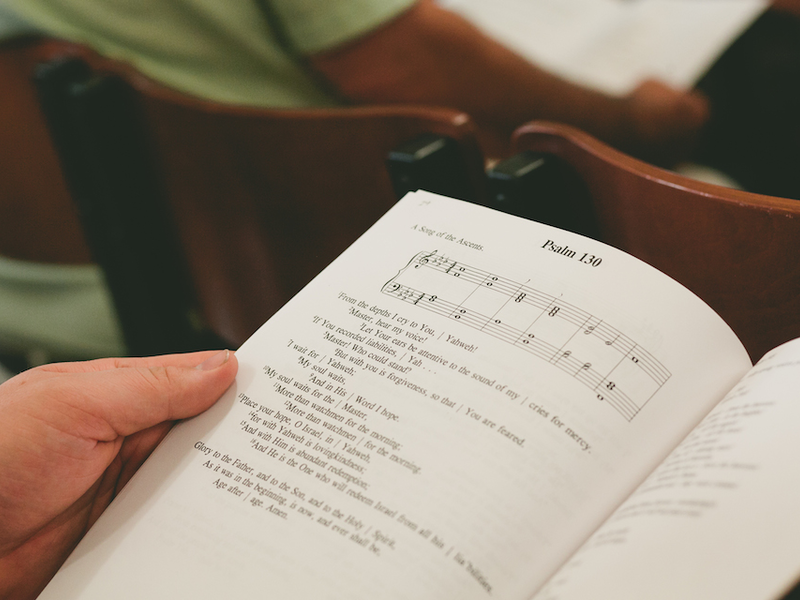
“It is only by participation in a rational, practice-based community that one becomes rational.” – Alasdair MacIntyre It may be perfectly clear to a chef why adding unsifted powdered sugar to a hot frosting is a bad idea. But for an amateur cook, this may be the kind of rule…

by Jonathan BarlowApril 2, 2015
giotto-noli-me
John

The Gardener and the Beloved, (Part 1)

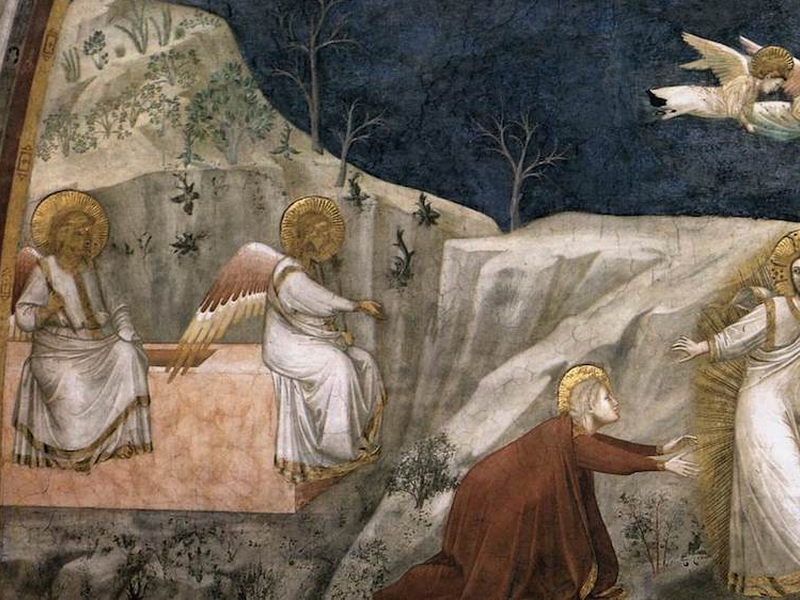
On a fresco in a chapel in Padua, Italy, there is a famous painting depicting the dramatic post-resurrection scene in John 20 with Mary and Jesus outside of the garden tomb. Giotto di Bondone painted it in the early 14th century. Jesus is striding from the tomb with a victor’s…

by Jeff MeyersApril 1, 2015

Showing page 156 of 309

See all
See all

Arbitrary Signs

A couple of weeks ago, I mused on whether Saussure would have agreed with Barr’s rejection of the idea that different mentalities are built into different languages. In his superb book on Saussure, Jonathan Culler provides further evidence that Saussure would not agree with Barr. Culler’s argument, to put it…

April 9, 2008

Person and essence

Gilles Emery writes concerning Thomas’s view of essence and person in the Trinity, defending Thomas against Rahnerian-style charges: “There is . . . not ‘derivation’ of persons from an essential act in Thomas. This observation clarifies anew the structure of the treatise on God: the distinction of the two sections…

April 8, 2008

Greatest good

Bonaventure wrote: “Behold, therefore, and observe that the highest good is unqualifiedly that than which no greater can be thought. And this good is such that it cannot rightly be thought of as non-existing, since to exist is absolutely better than not to exist.” So far, so Anselmian. Then Bonaventure…

April 8, 2008

Branch and Stone

The “seven-eyed” stone in Zechariah 3:9 has been variously interpreted - for example, as the crown on the head of the high priest Joshua (the seven eyes being the letters engraved on the crown), as the kingdom of God, as a stone with seven “springs” (in Hebrew, the same word…

April 8, 2008
History

Holy City

Babylon was considered a holy city in the ancient world, its kings consecrated by power given by Marduk. This is the reason the Persians destroyed the temple of Esagila and deported the statue of Marduk to Persia (or, by some accounts, melted it down) when the Babylonians revolted against Persian…

April 7, 2008

Protestantism and the Postmodern Self

Postmodernism has, we are told, “decentered” the modern self, that unified, sovereign, isolated, godlike “thinking thing” discovered by Rene Descartes. The postmodern self is not single but multiple; not sovereign but controlled by external forces; not isolated but “embedded” in the world and in relation; not godlike, but human, all…

April 7, 2008

Showing page 1537 of 2212

Browse by Category

In Medias Res

Your weekly digest for all things Theopolis.

Donate

Theopolis is nearly 100% donor-supported. Consider joining us on our mission.