Theopolis Logo

Writing

Explore our collection of theological essays, biblical studies, and reflections on faith and culture.

See all
1ramoth-baptist-church-of-christ-7-bible
Pastoral Ministry

Rural Church Growth

I've pastored a very rural church for well over a decade. Our town has about 1,000 people and will never grow until Jesus returns. 38 people attend our worship on Sundays. Here's a quick list of what we’ve done to grow our church, and what I’ve done to survive pastorally.…

by TheopolisAugust 10, 2017

tim-marshall-k2u71wv2ei4-unsplash
Art

Letter to a Young Artist

Thanks for sharing so honestly about your current crisis of creativity. I totally understand and relate to that; it’s happened many times in my musical life thus far, and I’ve begun to accept it as a normal rhythm of the creative process. I actually went through a serious dry spell…

by Joel ClarksonAugust 8, 2017
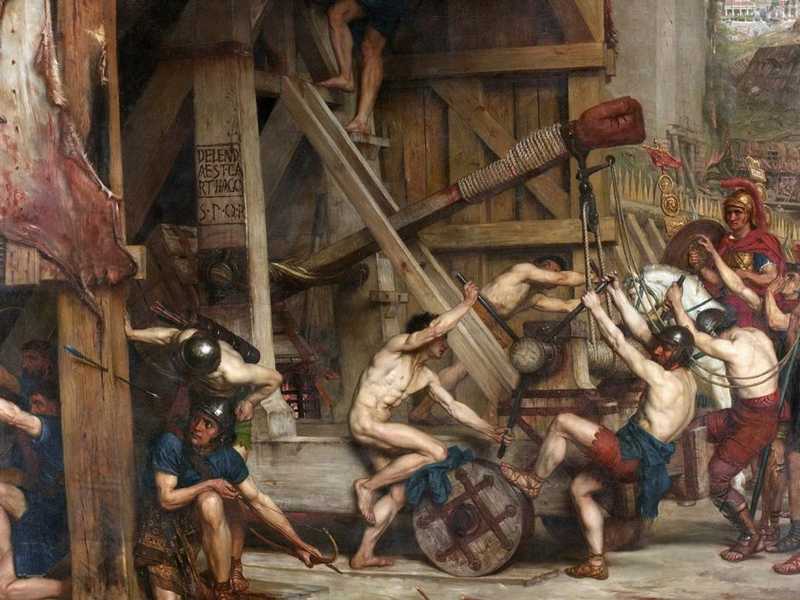
catapult-poynter-crop-ti
Biblical Theology

Stones and Fruit: Divination and Procreation – (Part 3)

The Broken Stones of Israel At Sinai, the tablets of the Law of Moses were broken and restored. The Old Testament is a history of “new covenants,” including that promised in Jeremiah and fulfilled in Zechariah. Ultimately, the vertical Oath and the horizontal Sanctions met in the death of Jesus…

by Mike BullAugust 3, 2017
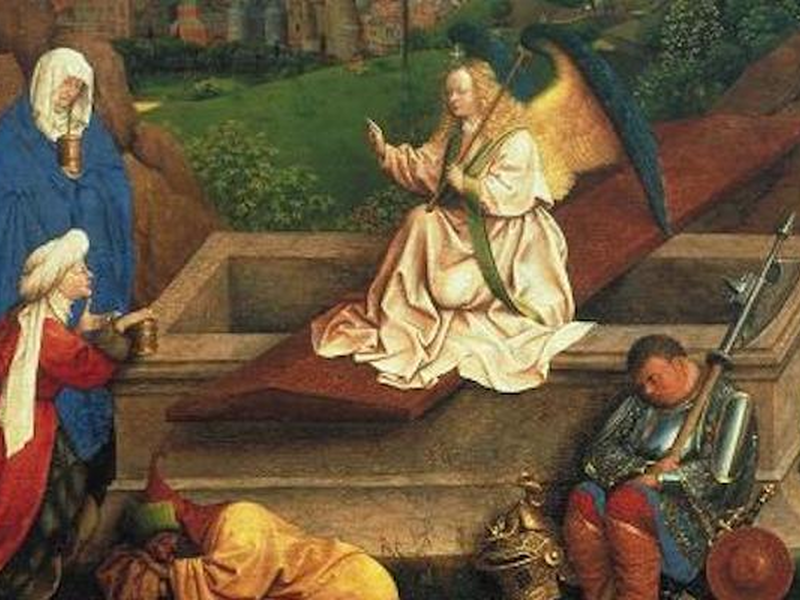
resurrection-2
Isaiah

God's Market, the Church

Woe to the sinful nation. Woe to those who enlarge their estates and build their portfolios. Woe to the drunks. Woe to those who call evil good and good evil. Woe to the proud who are wise in their own eyes. Woe to Congressmen who pass unjust laws and to…

by Peter LeithartAugust 1, 2017
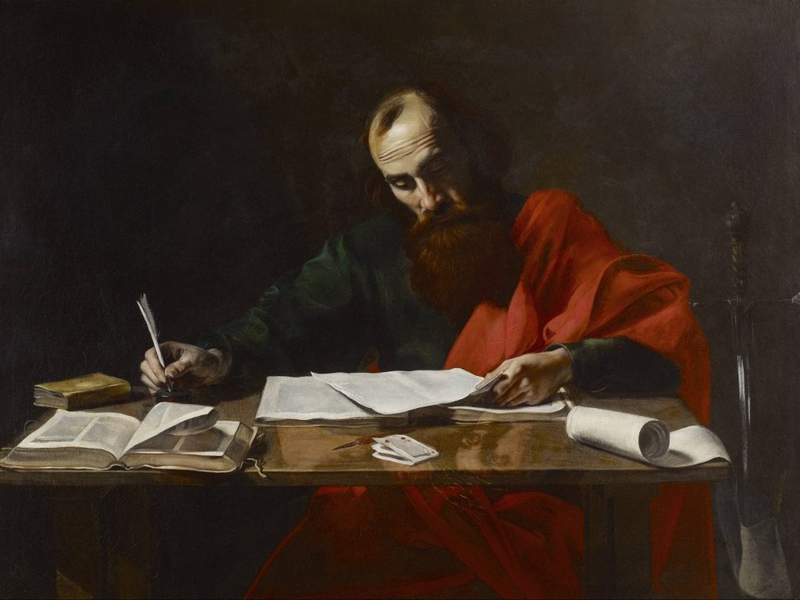
paul
Romans

In the Flesh: Then and Now

The interpretation of Romans 7:7-25 is notoriously difficult. Good scholars disagree on many aspects of the passage, but the central interpretative difficulty concerns the identity of the “I.” Is Paul referring to himself? Is Paul referring to himself pre- or post-conversion? Does the “I” refer to Adam? Is the “I”…

by Bill SmithJuly 27, 2017
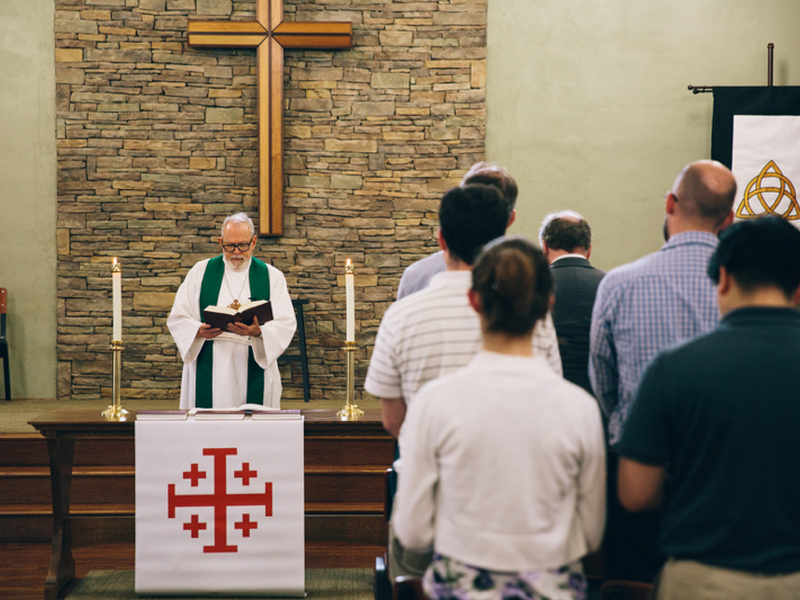
e99a1883
How to Worship

The Minister's Uniform

You board the Metra train at Arlington Heights station one afternoon, heading to downtown Chicago for some sight-seeing. As the train departs from the station, a man in jeans, a striped t-shirt, and a Kansas City Royals baseball cap enters your train car, and begins asking to see each passenger’s…

by Jon HerrJuly 25, 2017

Showing page 108 of 309

See all
See all

Incarnation and Eschatology

Barth insists, rightly, that the incarnation doesn’t express any “need” or lack on God’s part, but is rather His free gracious response to the “radical neediness of the world.” Taking on that neediness also means taking up our cause. He comes to maintain and carry through humanity’s cause to victory.…

April 4, 2008

Self-righteousness

Protestants often claim that our sinfulness is manifest in our efforts to earn God’s favor by our works. That is true, but it doesn’t quite get at the most grievous root of sin. Barth is more penetrating in saying that our sinfulness is manifest in our efforts to usurp God’s…

April 4, 2008
Economics

Markets and people

Charles Morris (in The Trillion Dollar Meltdown ) says that one of the dangerous trends emerging in the 80s and 90s, and lurking behind the current financial crisis, is the “increased dominance of investment decisions by mathematical constructs.” He admits that “Large securities portfolios usually do behave more or less…

April 3, 2008

Translation woes

Jesus spits on the ground, makes clay of the spittle, and “applies” the clay to the eyes of a blind man (John 9; NASB). The verb behind “apply” is epichrio . Its only other usage in the NT is five verses later, where the NASB translates the very same form…

April 3, 2008

John the linguist

John is aware of linguistic diversity, translating unusual Hebrew terms into Greek (e.g., “Messiah” into “Christ,” 1:42). This is perhaps for the convenience of Greek readers, but there is likely also a theological reason: John proclaims the incarnate Word, and describes the work and words of that Word with words…

April 3, 2008

Hebrew Latin Greek

John tells us that the inscription “Jesus the Nazarene, the King of the Jews” was placed above his head on the cross in Hebrew, Latin, and Greek (19:19-20). But this is just the culmination of a text that, though written in Greek, contains a number of cross-linguistic terms. Twice in…

April 3, 2008

Showing page 1540 of 2212

Browse by Category

In Medias Res

Your weekly digest for all things Theopolis.

Donate

Theopolis is nearly 100% donor-supported. Consider joining us on our mission.