Theopolis Logo

Writing

Explore our collection of theological essays, biblical studies, and reflections on faith and culture.

See all
reformation-wall
History

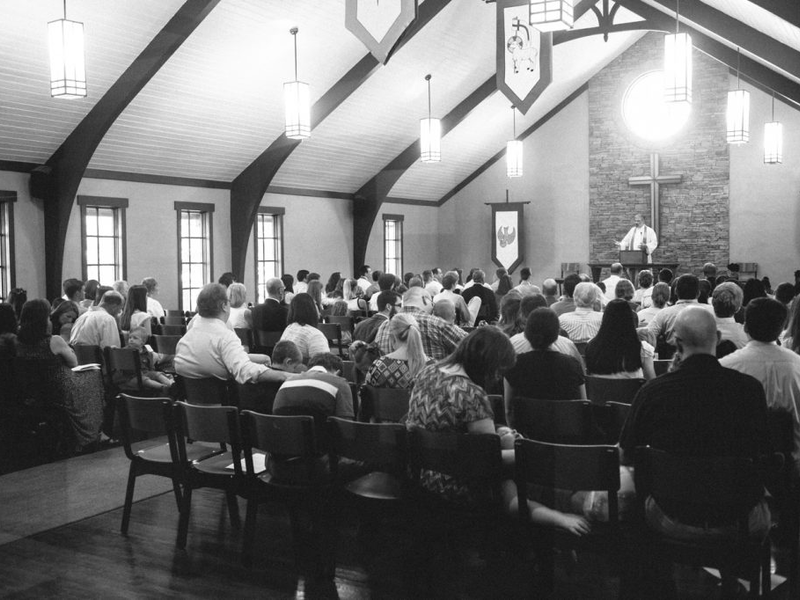
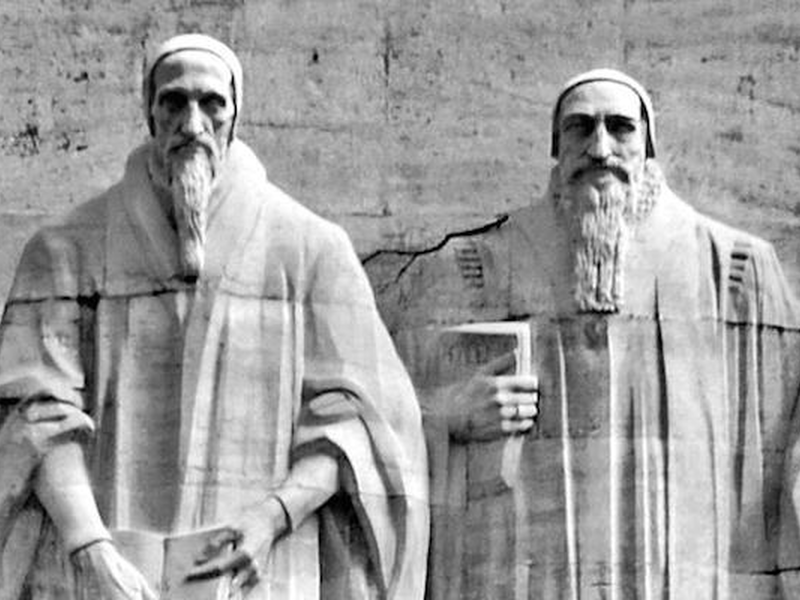
How the Reformation Failed

The Reformers did not start out with a plan to found separated churches. Their goal was to reform the entire Latin church. In this they failed. The paradox is sharp, and we need to feel its point and its edge if we Protestants are to reckon honestly with our history…

by Peter LeithartApril 18, 2017

img_7521
Federal Vision

What is Conversion?

Conversion is a turning from sin to Christ. Now, let's think about that. Does conversion happen only once in a lifetime, or does it happen many times? That is the question, I believe, that needs answering. From my experience, and from my understanding of the Bible and of Christianity, there…

by James B. JordanApril 13, 2017
sky-from-bridge
Biblical Studies

Priests to the Nations

Israel was supposed to be a priest to the nations (Ex. 19:6). Her water would cause their trees to grow. This was signified to all men when Israel came out of Egypt, for "then they came to Elim, where they were twelve springs of water and seventy date palms, and…

by James B. JordanApril 11, 2017
holodomor
Ukraine

Borderland

Rousing Soviet songs surround us as we pass through a gloomy gauntlet of titanic statues on our way to Kyiv’s Museum of the Great Patriotic War. My friends, a Polish and a Ukrainian pastor, remember the songs, which played incessantly on the radio during their childhood. The sculpture complex depicts…

by Peter LeithartApril 6, 2017
img_0166
Eucharist

Worship and Ceremony, Part II: The Lord's Supper

This is the second installment of a two-part article. Click HERE to read Part I. The fourth perspective on ceremony is that of the action of the Lord's Supper. As we noted before, the inauguration of the Lord's Supper preceded its interpretation. Jesus did not at that point give an…

by James B. JordanApril 4, 2017
e99a9380
Course Recap

Architecture Course Recap

The best courses are those that make you see the Bible, the church, or the world differently. The recent Theopolis Architecture Course with Daniel Lee did exactly that. Architect Daniel Lee began the week with architectural theory, continued through the week taking students through a history of architectural practice, and…

by Brian MoatsMarch 31, 2017

Showing page 114 of 309

See all
See all

Incarnation and Eschatology

Barth insists, rightly, that the incarnation doesn’t express any “need” or lack on God’s part, but is rather His free gracious response to the “radical neediness of the world.” Taking on that neediness also means taking up our cause. He comes to maintain and carry through humanity’s cause to victory.…

April 4, 2008

Self-righteousness

Protestants often claim that our sinfulness is manifest in our efforts to earn God’s favor by our works. That is true, but it doesn’t quite get at the most grievous root of sin. Barth is more penetrating in saying that our sinfulness is manifest in our efforts to usurp God’s…

April 4, 2008
Economics

Markets and people

Charles Morris (in The Trillion Dollar Meltdown ) says that one of the dangerous trends emerging in the 80s and 90s, and lurking behind the current financial crisis, is the “increased dominance of investment decisions by mathematical constructs.” He admits that “Large securities portfolios usually do behave more or less…

April 3, 2008

Translation woes

Jesus spits on the ground, makes clay of the spittle, and “applies” the clay to the eyes of a blind man (John 9; NASB). The verb behind “apply” is epichrio . Its only other usage in the NT is five verses later, where the NASB translates the very same form…

April 3, 2008

John the linguist

John is aware of linguistic diversity, translating unusual Hebrew terms into Greek (e.g., “Messiah” into “Christ,” 1:42). This is perhaps for the convenience of Greek readers, but there is likely also a theological reason: John proclaims the incarnate Word, and describes the work and words of that Word with words…

April 3, 2008

Hebrew Latin Greek

John tells us that the inscription “Jesus the Nazarene, the King of the Jews” was placed above his head on the cross in Hebrew, Latin, and Greek (19:19-20). But this is just the culmination of a text that, though written in Greek, contains a number of cross-linguistic terms. Twice in…

April 3, 2008

Showing page 1540 of 2212

Browse by Category

In Medias Res

Your weekly digest for all things Theopolis.

Donate

Theopolis is nearly 100% donor-supported. Consider joining us on our mission.