Theopolis Logo

Writing

Explore our collection of theological essays, biblical studies, and reflections on faith and culture.

See all
shipwreck
Movies

Separation and the Sea: All Is Lost and Cast Away

“13th of July, 4:50 pm. I'm sorry. I know that means little at this point, but I am. I tried, I think you would all agree that I tried. To be true, to be strong, to be kind, to love, to be right. But I wasn't. And I know you…

by Remy WilkinsSeptember 22, 2016
priscilla
Ecclesiology

Priestesses?

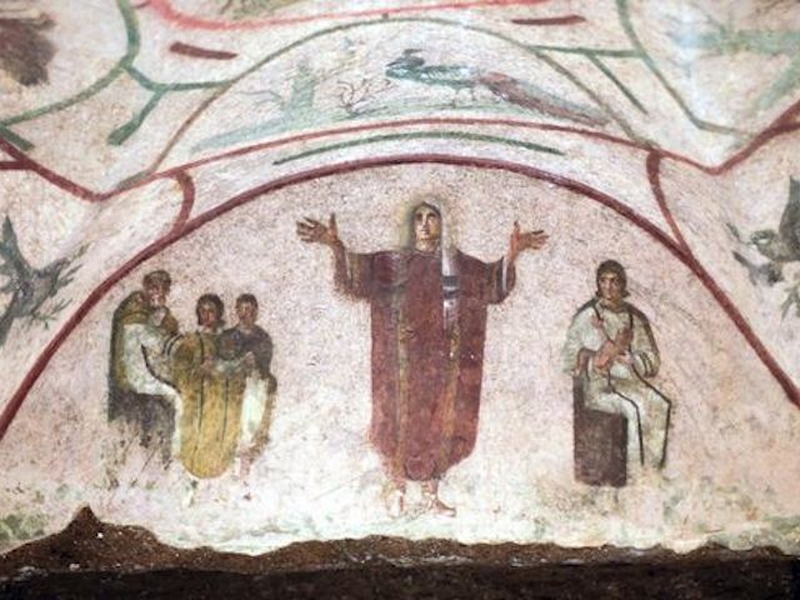
CS Lewis's 1948 essay on “Priestesses in the Church” strikes a reader today as simultaneously quaintly naive and trenchantly prescient. The naive part comes near the beginning, where Lewis describes the decision to take “a revolutionary step.” It would “cut ourselves off from the Christian past and to widen the…

by Peter LeithartSeptember 20, 2016
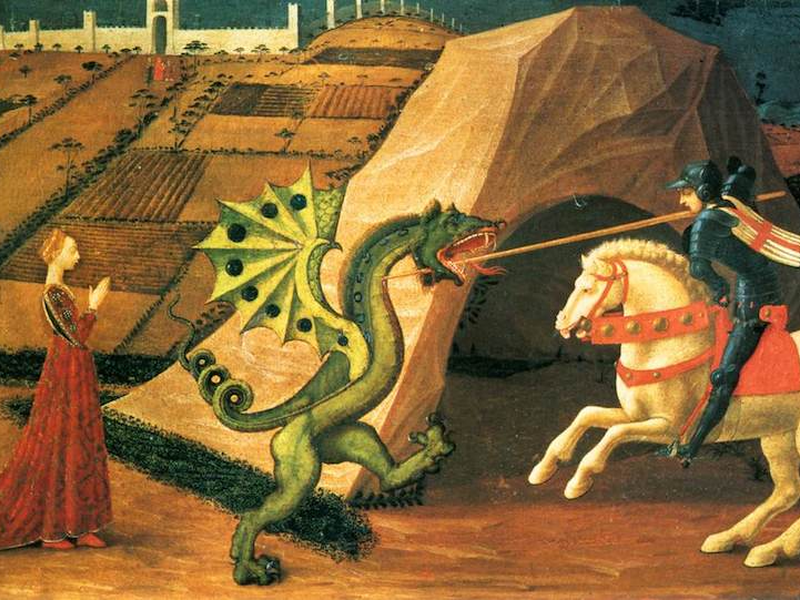
st-george-dragon
Literature

Serpents First

Imagine a version of the Lord of the Rings beginning with Sauron riding into the Shire and lopping off heads in a mad search for the ring, driving Frodo to flight from the beginning, helter-skelter and harried. While, no doubt, some Hollywood exec is at this moment scrambling to reboot…

by Remy WilkinsSeptember 15, 2016
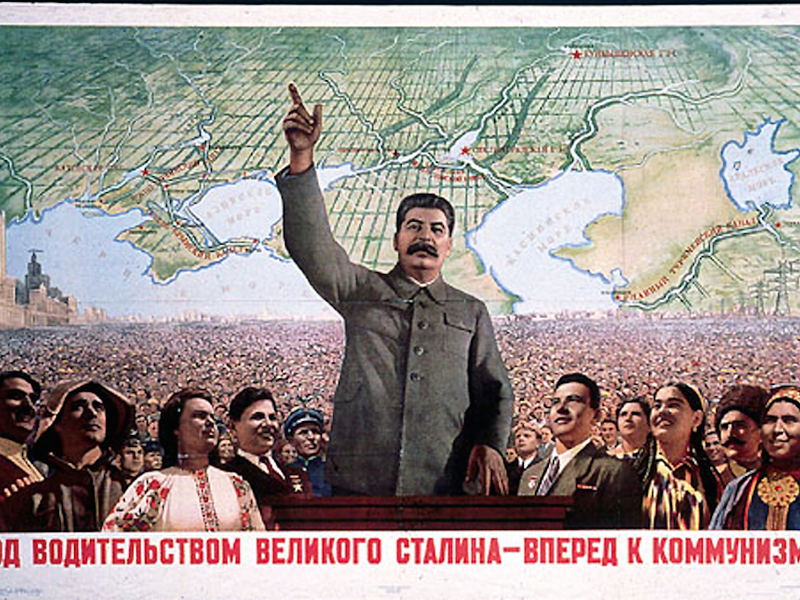
stalin-propaganda-poster
Communism

Socialism Without Society

A Communist Confession of Faith states that the aim of the Communists is “to organize society in such a way that every member of it can develop and use all his capabilities and powers in complete freedom and without thereby infringing the basic conditions of this society.” This aim can…

by Bogumil JarmulakSeptember 13, 2016
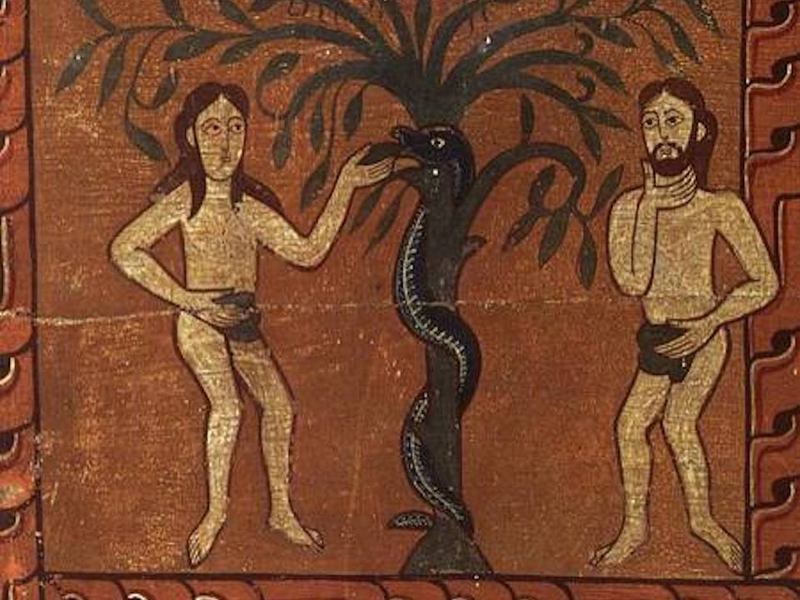
ind54453
Biblical Theology

The Falls of Man

The story of the Fall enjoys a peculiar place in Christian thought. Together with the creation account in the two chapters that precede it, it is one of the few Old Testament narratives consistently to escape the relative neglect the Hebrew Scriptures often suffer. While the characters of Abraham, Moses,…

by Alastair RobertsSeptember 8, 2016
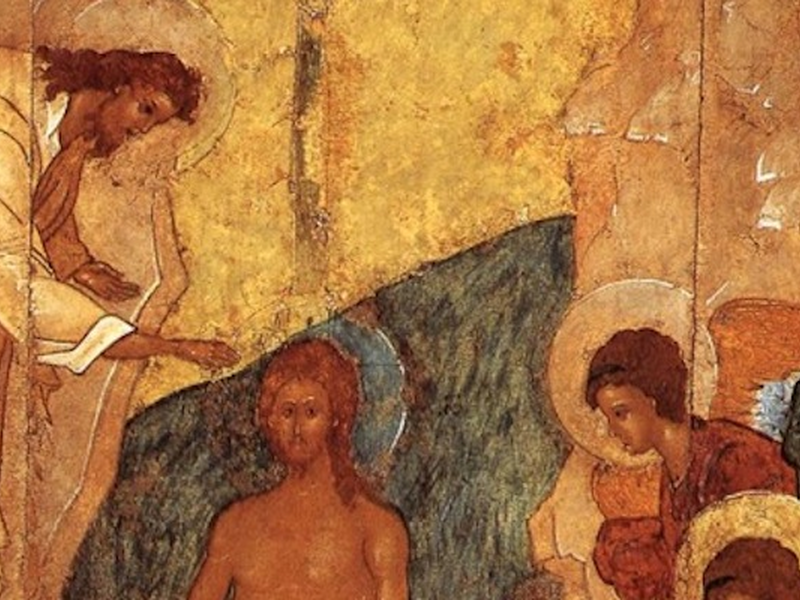
jesus-baptism
Baptism

Water, Spirit, and Fire, (Part 3)

In the previous essay, we saw that fire is a work of the Holy Spirit. The two are related so closely that they cannot be separated. Now we turn our attention to the Spirit's relationship to water. Many have understood Spirit baptism to be a dry baptism, one that is…

by Adam McIntoshSeptember 6, 2016

Showing page 125 of 309

See all
See all

Incarnation and Eschatology

Barth insists, rightly, that the incarnation doesn’t express any “need” or lack on God’s part, but is rather His free gracious response to the “radical neediness of the world.” Taking on that neediness also means taking up our cause. He comes to maintain and carry through humanity’s cause to victory.…

April 4, 2008

Self-righteousness

Protestants often claim that our sinfulness is manifest in our efforts to earn God’s favor by our works. That is true, but it doesn’t quite get at the most grievous root of sin. Barth is more penetrating in saying that our sinfulness is manifest in our efforts to usurp God’s…

April 4, 2008
Economics

Markets and people

Charles Morris (in The Trillion Dollar Meltdown ) says that one of the dangerous trends emerging in the 80s and 90s, and lurking behind the current financial crisis, is the “increased dominance of investment decisions by mathematical constructs.” He admits that “Large securities portfolios usually do behave more or less…

April 3, 2008

Translation woes

Jesus spits on the ground, makes clay of the spittle, and “applies” the clay to the eyes of a blind man (John 9; NASB). The verb behind “apply” is epichrio . Its only other usage in the NT is five verses later, where the NASB translates the very same form…

April 3, 2008

John the linguist

John is aware of linguistic diversity, translating unusual Hebrew terms into Greek (e.g., “Messiah” into “Christ,” 1:42). This is perhaps for the convenience of Greek readers, but there is likely also a theological reason: John proclaims the incarnate Word, and describes the work and words of that Word with words…

April 3, 2008

Hebrew Latin Greek

John tells us that the inscription “Jesus the Nazarene, the King of the Jews” was placed above his head on the cross in Hebrew, Latin, and Greek (19:19-20). But this is just the culmination of a text that, though written in Greek, contains a number of cross-linguistic terms. Twice in…

April 3, 2008

Showing page 1540 of 2212

Browse by Category

In Medias Res

Your weekly digest for all things Theopolis.

Donate

Theopolis is nearly 100% donor-supported. Consider joining us on our mission.