Theopolis Logo

Writing

Explore our collection of theological essays, biblical studies, and reflections on faith and culture.

See all
e99a1883
Eucharist

According to the Ordinance

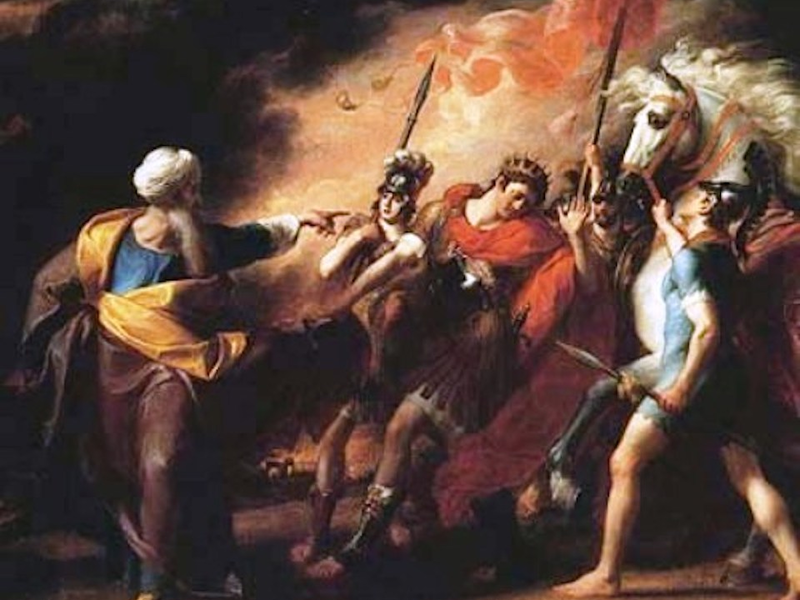
After 9 chapters of genealogy, the Chronicler begins his history with the death of Saul and the rise of David. The latter part of 1 Chronicles 12 describes the assembly of warriors from the twelve tribes to Hebron to celebrate David’s coronation as king. They have a three-day feast, with…

by Peter LeithartSeptember 1, 2016
pentecost
Baptism

Water, Spirit, and Fire, (Part 2)

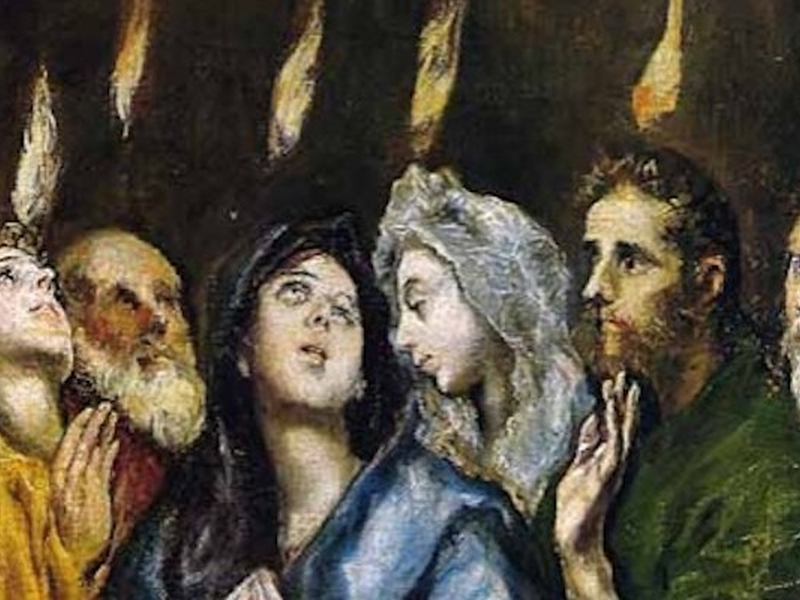
In the introduction we saw that Matthew and Luke are the only gospels which include “fire” in John the Baptist's narrative. If Matthew and Luke are the priestly and prophetic gospels, the inclusion of fire is of great importance. Priests are servants of the altar, working with fire every day.…

by Adam McIntoshAugust 30, 2016
city-heaven
Daniel

Brexit and the Binding of Satan: Part 3

The feet of the great statue in Nebuchadnezzar’s dream cannot be interpreted as a prediction of the states of modern Europe, but the lessons from their failure can certainly be applied . The statue in Nebuchadnezzar’s dream spoke of God’s ordaining of four empires which would rule in succession throughout…

by Mike BullAugust 25, 2016
istock_1475569697_1__9049d5f0-0813-44b1-9fa3-56fa65117e67
City

From Milwaukee

This past Sunday afternoon, I drove just a few miles west of my neighborhood to visit the corner of Sherman Blvd. and Burleigh St. in Milwaukee, Wisconsin. Amid a crowd I stood, looking at a huge gas station and multiple vehicles, all completely destroyed. Hundreds of feet of yellow caution…

by Jonathan SedlakAugust 23, 2016
david-men

Help

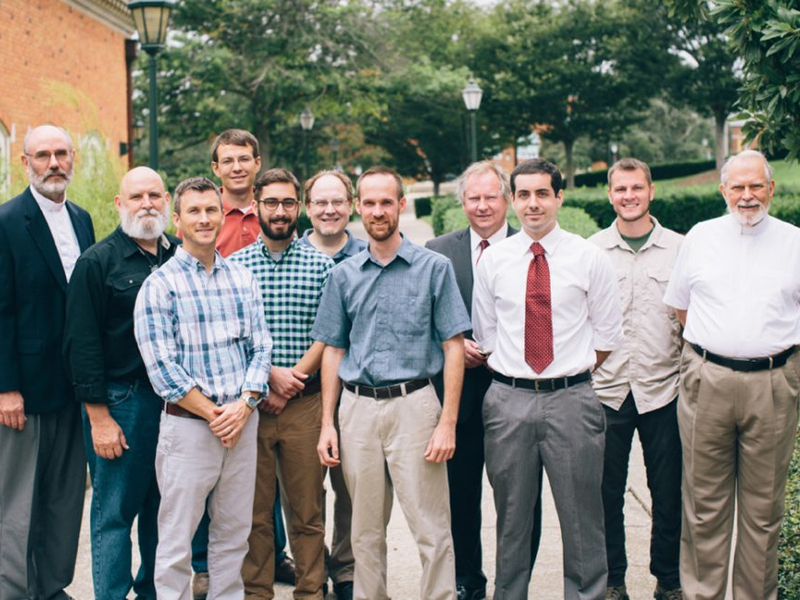
1 Chronicles 12 is a flashback. The Chronicler has told the story of Saul’s death at the battle of Mount Gilboa. He has described how “all Israel” gathered to David at Hebron to make him king over all Israel (11:1-3). At the beginning of chapter 12, we move back to…

by Peter LeithartAugust 18, 2016
e99a1834-2-6
Theopolis News

Leviticus Course Recap

A great story draws you into specific details while delivering an ending that keeps you coming back. It brings you into the minutiae of life in such a way that requires patience, only to deliver a breath of fresh air time and again. The climax of the biblical story comes…

by Brian MoatsAugust 17, 2016

Showing page 126 of 309

See all
See all

Incarnation and Eschatology

Barth insists, rightly, that the incarnation doesn’t express any “need” or lack on God’s part, but is rather His free gracious response to the “radical neediness of the world.” Taking on that neediness also means taking up our cause. He comes to maintain and carry through humanity’s cause to victory.…

April 4, 2008

Self-righteousness

Protestants often claim that our sinfulness is manifest in our efforts to earn God’s favor by our works. That is true, but it doesn’t quite get at the most grievous root of sin. Barth is more penetrating in saying that our sinfulness is manifest in our efforts to usurp God’s…

April 4, 2008
Economics

Markets and people

Charles Morris (in The Trillion Dollar Meltdown ) says that one of the dangerous trends emerging in the 80s and 90s, and lurking behind the current financial crisis, is the “increased dominance of investment decisions by mathematical constructs.” He admits that “Large securities portfolios usually do behave more or less…

April 3, 2008

Translation woes

Jesus spits on the ground, makes clay of the spittle, and “applies” the clay to the eyes of a blind man (John 9; NASB). The verb behind “apply” is epichrio . Its only other usage in the NT is five verses later, where the NASB translates the very same form…

April 3, 2008

John the linguist

John is aware of linguistic diversity, translating unusual Hebrew terms into Greek (e.g., “Messiah” into “Christ,” 1:42). This is perhaps for the convenience of Greek readers, but there is likely also a theological reason: John proclaims the incarnate Word, and describes the work and words of that Word with words…

April 3, 2008

Hebrew Latin Greek

John tells us that the inscription “Jesus the Nazarene, the King of the Jews” was placed above his head on the cross in Hebrew, Latin, and Greek (19:19-20). But this is just the culmination of a text that, though written in Greek, contains a number of cross-linguistic terms. Twice in…

April 3, 2008

Showing page 1540 of 2212

Browse by Category

In Medias Res

Your weekly digest for all things Theopolis.

Donate

Theopolis is nearly 100% donor-supported. Consider joining us on our mission.