Theopolis Logo

Writing

Explore our collection of theological essays, biblical studies, and reflections on faith and culture.

See all
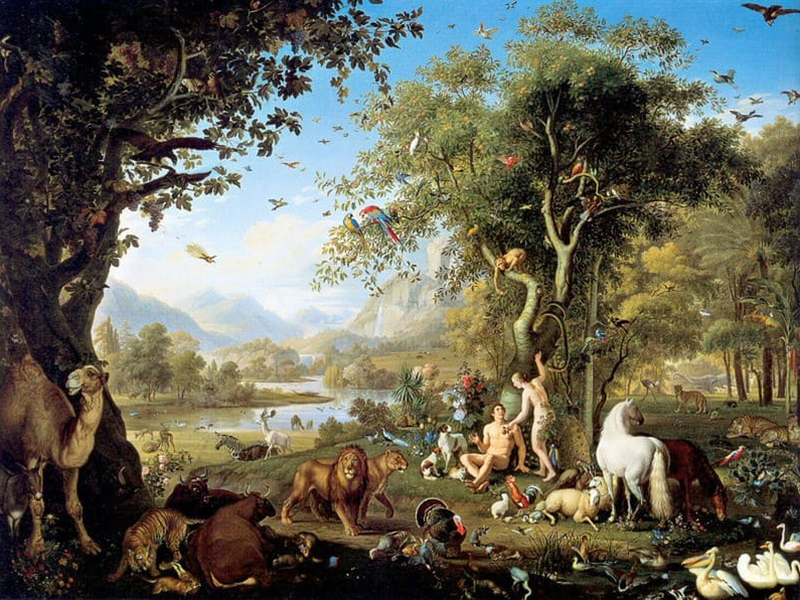
29994-adam-and-eve-in-the-garden-of-eden-800w-tn
Biblical Theology

Jesus in the Garden

Figure: Literary structure of the Garden narrative The Garden narrative describes God forming the adam , resting him in his presence, then provisioning for his appetites of food, vocation, and mate. It continues to describe a snake, the introduction of death, and humanity's expulsion from the garden. The pages of…

by Scott FairbanksJune 25, 2019
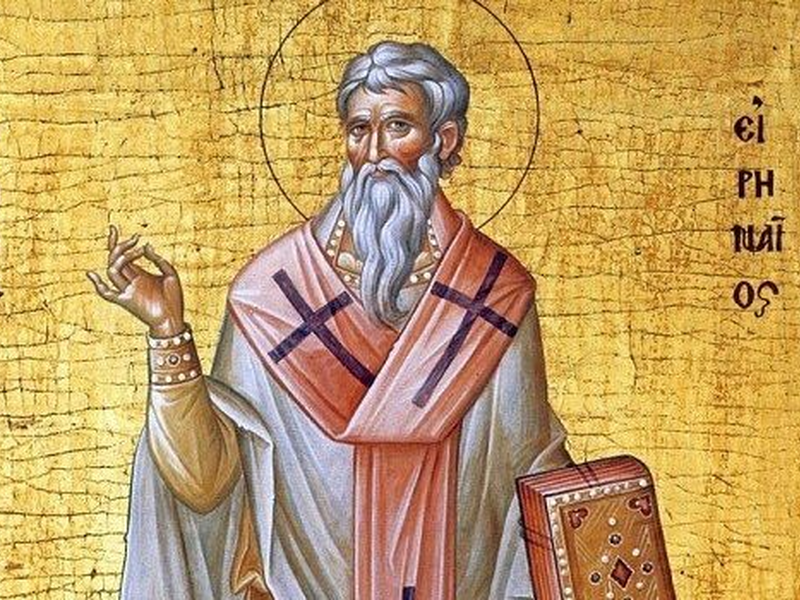
irenaeus-of-lyons-620x350
Christology

St. Irenaeus, the Beatific Vision, and the Instrumentalization of Creation

I’ve spent the last few years studying the theology of St. Irenaeus (d. circ. 200ad). In particular, I’ve been gripped by the way that Irenaeus consistently resisted the anti-body emphasis that emerged in later Christian theology. His eschatology is remarkably focused on the resurrection of the body, and the renewal…

by Gerald HiestandJune 18, 2019
aaron-burden-1ebsmyrau-s-unsplash
Exodus

The Light Before the Switch

Details of Jesus in Exodus 1:22-2:25 Although there are a great many Christ-types in the Old Testament, it is hard to overplay the obviousness of some that seem to necessarily rise to the top before others. One of these is Isaac, with his near sacrifice by his own father after…

by Eric RobinsonJune 11, 2019
thomas-habr-185321-unsplash
Biblical Theology

Characteristics of the Wicked City

What can we say about Cain's wicked sanctuary-city of Enoch? First that it was built with a brother's blood as its cornerstone. The Church is also built such, for Jesus was the younger brother of the whole Adamic race, slain by that company of older brothers because they hated Him.…

by James B. JordanJune 4, 2019
simon-caminada-107680-unsplash
Biblical Theology

Trees and Thorns

In Genesis 2:9 the ground brought forth trees good for food, delightful to view, and in two cases, life-giving or rule-bestowing. Adam, made of the ground (2:7), would by implication bring forth new trees, and thus trees and plants are among the symbols for human beings throughout the Bible. The…

by James B. JordanMay 28, 2019
annie-spratt-44241-unsplash
Biblical Theology

Trees for Food

One of the must fundamental teachings of the Bible and of the Christian religion is that man does not have life in himself. Man must get life from outside of himself, in order to maintain his life. The way this is done is through eating and drinking. Apart from life,…

by James B. JordanMay 21, 2019

Showing page 78 of 309

See all
See all

Incarnation and Eschatology

Barth insists, rightly, that the incarnation doesn’t express any “need” or lack on God’s part, but is rather His free gracious response to the “radical neediness of the world.” Taking on that neediness also means taking up our cause. He comes to maintain and carry through humanity’s cause to victory.…

April 4, 2008

Self-righteousness

Protestants often claim that our sinfulness is manifest in our efforts to earn God’s favor by our works. That is true, but it doesn’t quite get at the most grievous root of sin. Barth is more penetrating in saying that our sinfulness is manifest in our efforts to usurp God’s…

April 4, 2008
Economics

Markets and people

Charles Morris (in The Trillion Dollar Meltdown ) says that one of the dangerous trends emerging in the 80s and 90s, and lurking behind the current financial crisis, is the “increased dominance of investment decisions by mathematical constructs.” He admits that “Large securities portfolios usually do behave more or less…

April 3, 2008

Translation woes

Jesus spits on the ground, makes clay of the spittle, and “applies” the clay to the eyes of a blind man (John 9; NASB). The verb behind “apply” is epichrio . Its only other usage in the NT is five verses later, where the NASB translates the very same form…

April 3, 2008

John the linguist

John is aware of linguistic diversity, translating unusual Hebrew terms into Greek (e.g., “Messiah” into “Christ,” 1:42). This is perhaps for the convenience of Greek readers, but there is likely also a theological reason: John proclaims the incarnate Word, and describes the work and words of that Word with words…

April 3, 2008

Hebrew Latin Greek

John tells us that the inscription “Jesus the Nazarene, the King of the Jews” was placed above his head on the cross in Hebrew, Latin, and Greek (19:19-20). But this is just the culmination of a text that, though written in Greek, contains a number of cross-linguistic terms. Twice in…

April 3, 2008

Showing page 1540 of 2212

Browse by Category

In Medias Res

Your weekly digest for all things Theopolis.

Donate

Theopolis is nearly 100% donor-supported. Consider joining us on our mission.