Theopolis Logo

Writing

Explore our collection of theological essays, biblical studies, and reflections on faith and culture.

See all
e99a9334
Advent

Stretching Christmas

For many people Christmas comes on December 25 and is over December 26. The tree is taken down along with the lights and the other decorations, and everyone begins setting the house in order for the new year. No more Christmas hymns. No more celebrations (well, until New Year’s Eve).…

by Steve WilkinsDecember 24, 2016
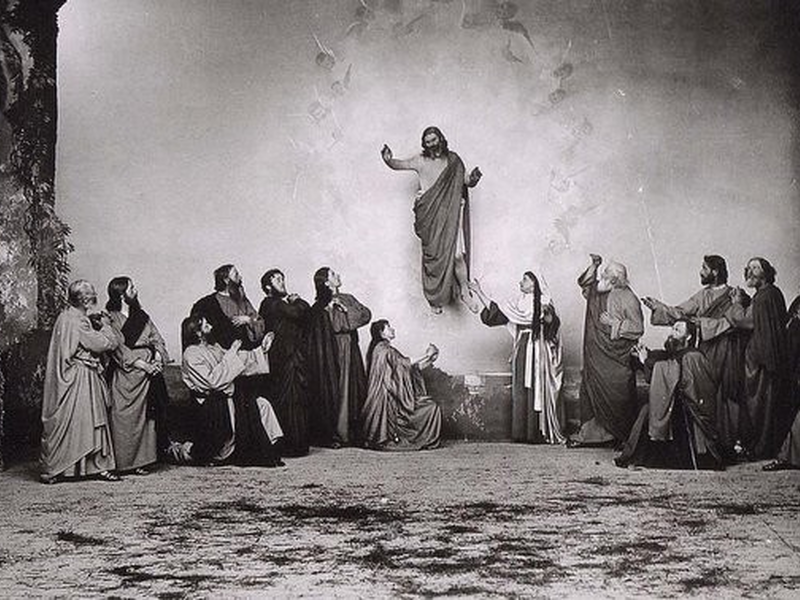
ascension
Advent

Ascension and Incarnation

The Ascension and the Incarnation should not be disconnected in our Christmas thinking or celebrations. As N.T. Wright notes, the ascension is "a central and vital feature without which all sorts of other things start to go demonstrably wrong. . . . where the ascension has been ignored or misunderstood,…

by Roy AtwoodDecember 23, 2016
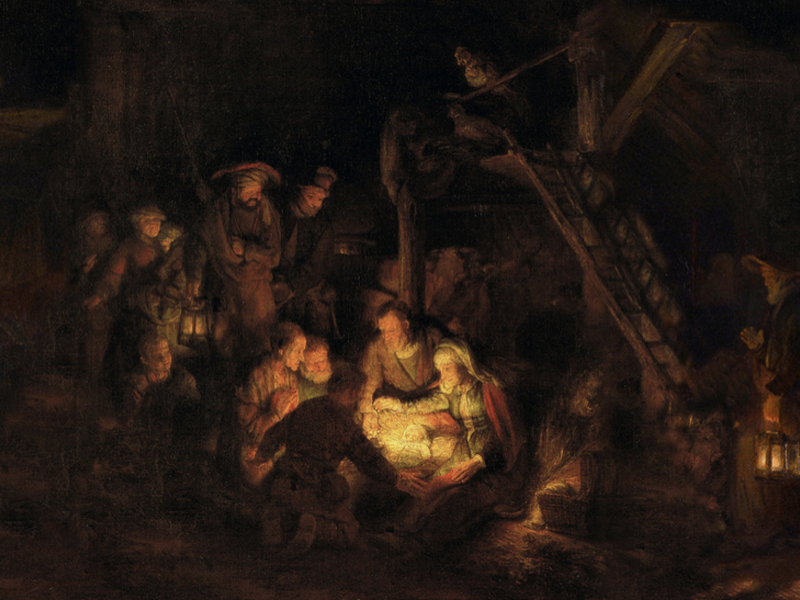
nativity-rembrandt
Advent

Christmas Light

“In the Word was life, and the life was the light of men. And the light shines in the darkness.” Thus John describes the incarnation of the Son. He comes as the living and life-giving light of the world. That’s good news. In the beginning, God spoke and light shone…

by Peter LeithartDecember 23, 2016
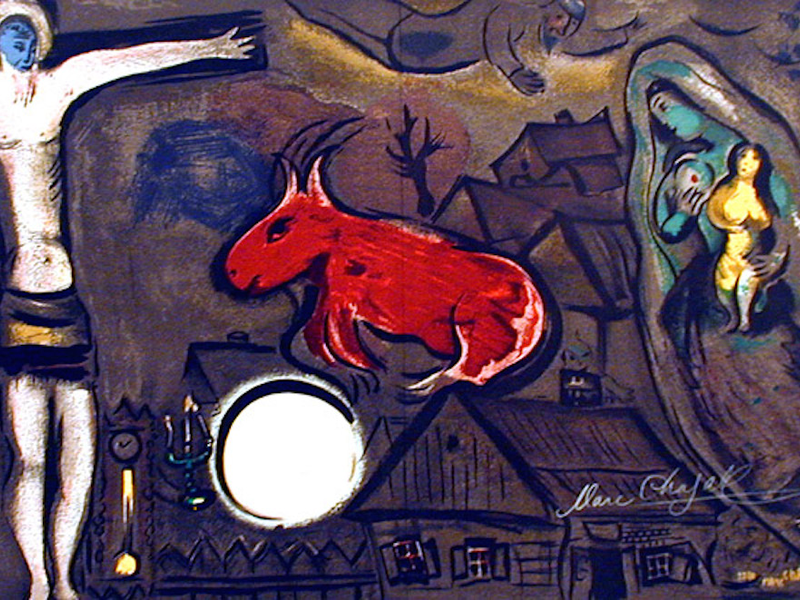
nativity-chagall
Advent

The Spirit of Christmas

Christmas is all about Jesus. The angels announce Jesus’ birth, shepherds and wise men come to see Jesus, Herod wants to kill Jesus. We occasionally think of the Father who sent the Son, but we keep returning to the Son made flesh in Bethlehem’s manger. Meanwhile, as always, the Spirit…

by Peter LeithartDecember 22, 2016
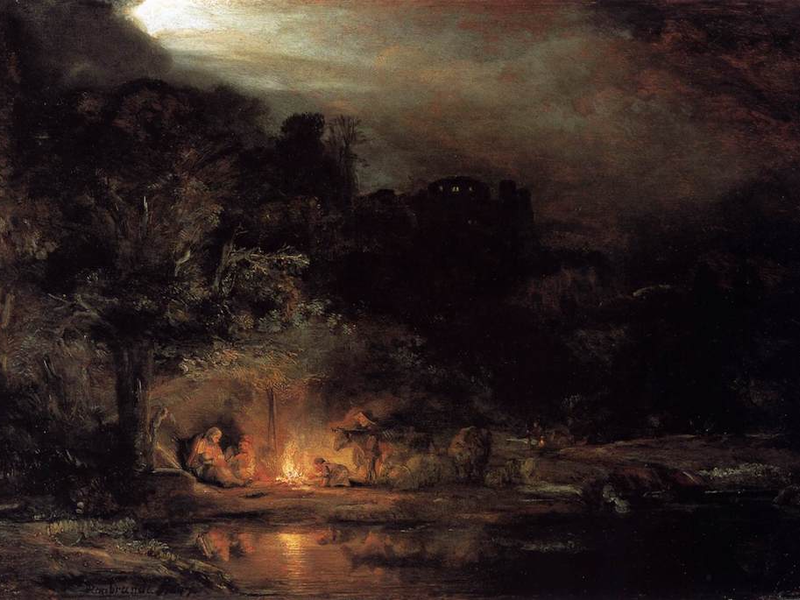
nativity
Advent

The Humility of God

Christmas is about many things, but one of the chief things revealed in the gospel of Christmas is the humility of God. We don't often think of humility as an attribute of God. If God is glorious and exalted, we think, He must be haughty and proud and self-centered. We…

by Peter LeithartDecember 21, 2016
screenshot-2025-12-15-at-8-35-45-am
Advent

Advent of Unity

John famously begins his Gospel with a piece of theology: “In the beginning was the Word, and the Word was with God, and the Word was God.” Matthew starts with a genealogy. John celebrates Advent with a hymn, Matthew with a list. For John, Jesus is the Word of creation…

by Peter LeithartDecember 20, 2016

Showing page 120 of 309

See all
See all

Product not sum

Saussure argues that syntagmatic relations are more like multiplication than addition. Adding - eux to desir is not putting together “independent units”; rather the two “form a product, a combination of interdependent elements, their value deriving solely from their mutual contributions within a higher unit.” At another level, we can…

March 27, 2008

Meaning and value

Would Saussure have agreed with Barr’s challenge to the notion that there is a difference between Greek and Hebraic mentalities evident in the differences between the languages? Barr appeals to Saussure at one or two points in his book ( Semantics ), and his project as a whole is reliant…

March 27, 2008
History

“Religion” in England

The English civil war, that is. Peter Harrison ( ‘Religion’ and the Religions in the English Enlightenment ) traces the notion of comparative religious study to the confessional disputes in England, and the “diachronic pluralism” of the English monarchy: “As Locke put it, the kings and queens of post-Reformation England…

March 27, 2008

Segmenting sounds

At a couple of points in his Course , Saussure suggests that the “primary characteristic of the spoken sequence is its linearity.” It is a “chain,” a “line.” I find this questionable, but he makes interesting use of the image: “In itself, it is merely a line, a continuous ribbon…

March 26, 2008

Chemical reaction

A “sign” in Saussure’s terminology consists of a signification (a concept or idea) and a signal (the “sound pattern” associated with the idea). He suggests some analogies: “This unified duality has often been compared with that of the human being, comprising body and soul. But the parallel is unsatisfactory. A…

March 26, 2008

Linguistic system

Saussure associates langue with collective social realities; it is the system created by society and existing, almost identically, in every member of a linguisitic community. He associates parole , in turn, with individual expressions within the system. The system is impervious to change: “changes are never made to the system…

March 26, 2008

Showing page 1545 of 2212

Browse by Category

In Medias Res

Your weekly digest for all things Theopolis.

Donate

Theopolis is nearly 100% donor-supported. Consider joining us on our mission.