Theopolis Logo

Writing

Explore our collection of theological essays, biblical studies, and reflections on faith and culture.

See all
paul-2
Romans

Notes on Scary Stuff in Romans 9

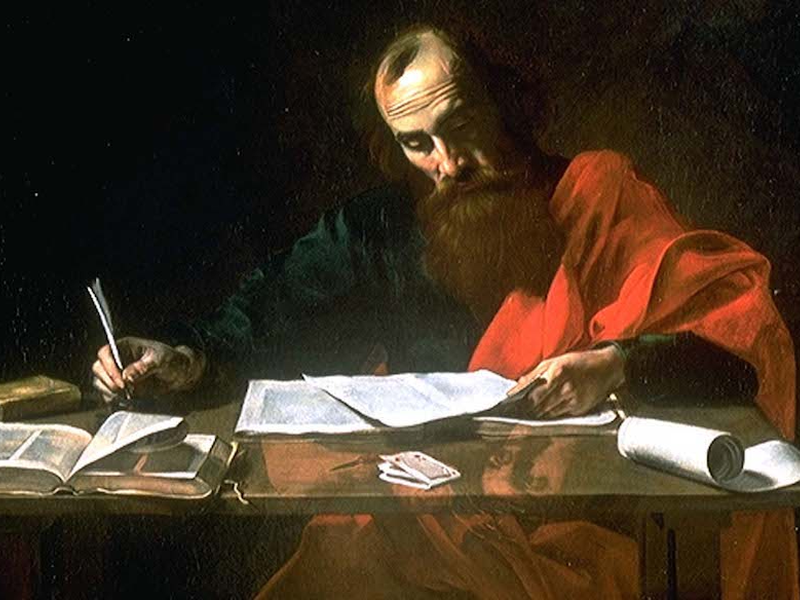
What shall we say then? Is there injustice on God’s part? By no means! For he says to Moses, “I will have mercy on whom I have mercy, and I will have compassion on whom I have compassion.” So then it depends not on human will or exertion, but on…

by Mark HorneFebruary 5, 2015

lunch-counter
American Politics

Covenants of Exclusion

A hundred years ago, William Warley signed a contract to buy a house in Louisville, Kentucky from Charles Buchanan, a white man. Before closing the sale, Warley, who was black, learned that the lot was subject to a city ordinance barring blacks from occupying the premises if most of the…

by Brendan O'DonnellFebruary 3, 2015
shakespeare-2
Literature

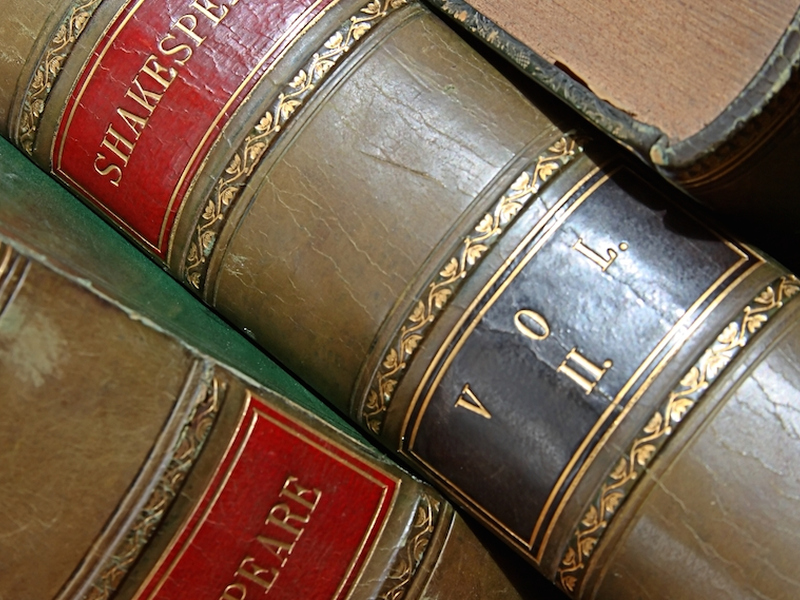
The Bard and the Book

I concluded the first essay on this topic by saying that I would introduce three books about Shakespeare and the Bible, but I decided to introduce four instead. The three books become four are: Naseeb Shaheen, Biblical References in Shakespeare’s Plays (London: Associated University Presses, 1999) ; Hannibal Hamlin, The…

by Ralph Allan SmithJanuary 29, 2015
augustine-2
Augustine

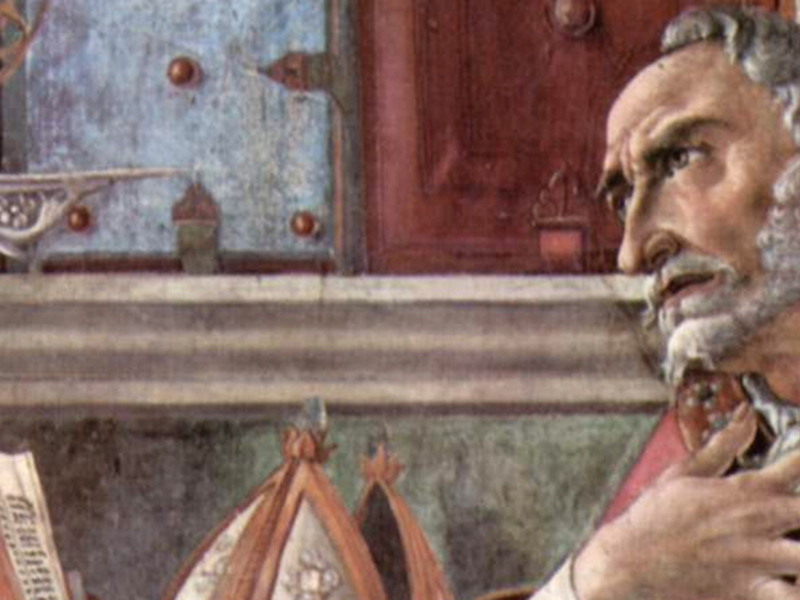
Augustine on Pagan Virtue

My children attend a classical Christian school, situated in the independent “free church” evangelical tradition. Over the past few years they have been growing in their acquaintance with the world of Homer, Plato, Virgil, and Livy. They enjoy it, and I envy it. The school is a great school. My…

by Gerald HiestandJanuary 27, 2015
prodigal-son
Atonement

The Prodigal and the Cross

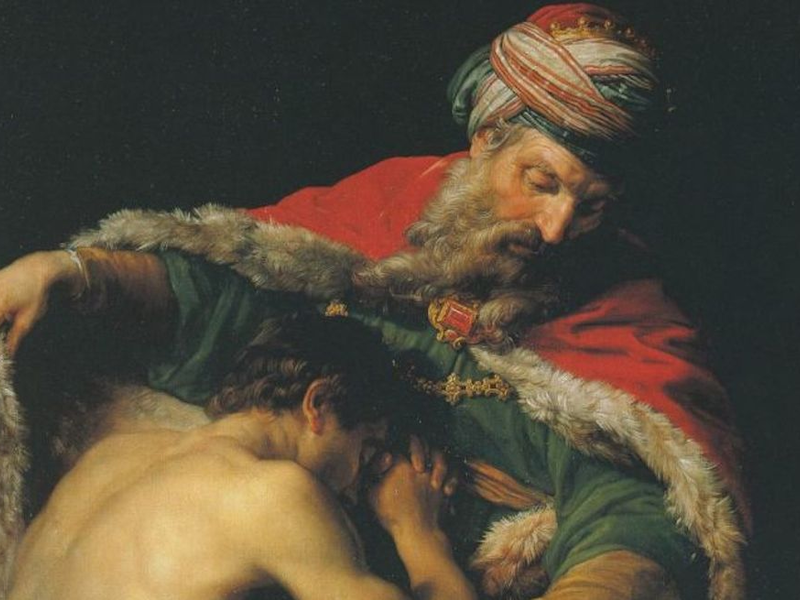
The Prodigal Son parable (Luke 15) has been a favorite of liberal theologians for a couple of centuries. It seems to be a parable designed for liberal sensibilities: An indulgent, accepting Father; forgiveness extended without a cross; a surly older brother who might represent the "conservative" face of religion who…

by Peter LeithartJanuary 22, 2015
sky-from-bridge
Ascension

Underground Man, Ascended Man

“I want now to tell you, gentlemen, whether you care to hear it or not, why I could not even become an insect. I tell you solemnly, that I have many times tried to become an insect. But I was not equal even to that. I swear, gentlemen, that to…

by Richard BledsoeJanuary 20, 2015

Showing page 161 of 309

See all
See all

Early Higher Critics

In his recent commentary on Daniel, Jim Jordan suggests that the modern notion that Josiah and his priests wrote “the book of the law” they claimed to discover in the temple was likely shared by people of Josiah’s time: “The image-users of the high places had always resented the official,…

March 18, 2008
Literature

For and Against Cromwell

Harold Bloom (in The Visionary Company ) writes that just as “French culture has been divided between those who have accepted the French Revolution and its consequences and those who have sought to deny and resist them,” so English culture is “divided between those who have accepted the Puritan religious…

March 17, 2008

Trinitarian reading

In her book on Joachim of Fiore, Marjorie Reeves notes that Joachim insists on diligent study of both testaments as the means for reaching the Spiritual interpretation: “The relationship is clearly a Trinitarian one: in Joachim’s phrase, the Spiritualis intellectus proceeds from both the Testaments, just as the Spirit proceeds…

March 17, 2008

Nero Revived

In the first of his Dialogues , the fifth-century Christian writer Sulpicius Severus said that “there is no doubt that Antichrist, conceived by an evil spirit, has already been born.” He spelled out his expectations for the future: Nero and the Antichrist would come, Nero ruling in the west and…

March 17, 2008
History

Prophet and priest

According to Weber, personal charisma was the key distinguishing feature of prophetic office, and also the feature that most clearly separated prophets from priests: :”the prophet declares new revelations by charisma, whereas the priest serves to a sacred tradition. It is no accident that almost no prophet has come from…

March 17, 2008
Theology

Naming God

Feminist theology overtly objects to masculine names for God, but Christopher Seitz says that the debate goes much deeper: “what is at stake in modern debates is not whether God is father or can be addressed as ‘he.’ Rather, what is at stake is whether we are entitled to call…

March 17, 2008

Showing page 1551 of 2212

Browse by Category

In Medias Res

Your weekly digest for all things Theopolis.

Donate

Theopolis is nearly 100% donor-supported. Consider joining us on our mission.