Theopolis Logo

Writing

Explore our collection of theological essays, biblical studies, and reflections on faith and culture.

See all
kristina-flour-bcjdbykwquw-unsplash
Culture

On Foul Language

The Stranger: Do you have to use so many cuss words? The Dude: What the f*ck you talking about? - The Big Lebowski There was a man I knew, an elder at his church, who, whenever he was called upon to announce a pregnancy, preferred the euphemism “with child” because…

by Remy WilkinsJanuary 12, 2016
organ-pipes
How to Worship

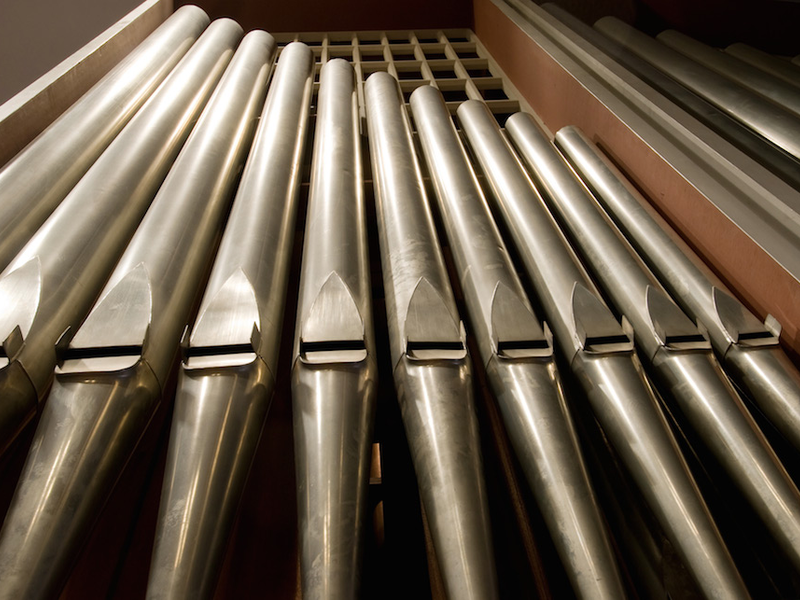
Pipes Worth Playing

I know what you’re thinking. Organ: funeral, ball game, grand dusty cathedral. Why should modern Christians of such a technological age revisit a thousand year-old instrument? Don’t worry, I will not be trying to punch another hole in my Weird Music Preferences and Opinions card here. The truth is, our…

by Jarrod RicheyJanuary 7, 2016
tree-2
James

Do Things Have Natures?

Do things have natures? As I am posing the question, it is not simply a question of whether there are particular kinds of things in the world that have characteristic features, patterns of behavior, trajectories of growth and development. If that is what the word means, then the answer is…

by Peter LeithartJanuary 5, 2016
jim-leading-worship
Theopolis News

2016 Nevin Lectures with Father John Behr

We are excited to announce our 2016 Nevin Lectures featuring Father John Behr. Fr. John is the Dean of St. Vladimir's Seminary and Professor of Patristics, as well as the author of multiple works. He will be delivering three lectures over the course of two days dealing with "What Protestants…

by Brian MoatsJanuary 4, 2016
times-square
Creation

Time, Curse or Gift?

New Year's Day makes one reflective, at least about the past year, perhaps about life, perhaps, more broadly, about time itself. Many view time as a curse. Some see it as a curse because of missed chances. As one day or year moves on to the next, all we can…

by Peter LeithartDecember 31, 2015
nativity-2
Advent

The Manger

It seems a truism to say that we live in the world: that the world is outside of us. In reality the world is very much inside of us too. In fact the world passes through us as much as we pass through it. We breathe in its air, using…

by Arthur KayDecember 29, 2015

Showing page 138 of 309

See all
See all

Sermon Notes, Fourth Sunday of Lent

INTRODUCTION Jesus has already warned that His coming and the mission of the Twelve divides families (10:21), and He returns to that theme at the end of the discourse (vv. 34-36). He is the Prince of Peace, but the peace He brings comes after He brings a sword. THE TEXT…

February 25, 2008

Whispers to Shouts

Jesus whispers. He speaks dark and hidden parables. But He instructs His disciples to shout out His words on the housetops (Matthew 10:26-27). This is the history of the church in a nutshell. A Pharisee traveling to Damascus is throne from his horse and Jesus speaks to Him, and the…

February 24, 2008

Eucharistic meditation, Third Sunday of Lent

Matthew 10: I send you out as sheep in the midst of wolves. As we saw in the sermon this morning, Jesus distinguishes His disciples from the leaders of Israel as sheep from wolves. The Jewish leaders prey on the people, but the Twelve are supposed to take their place…

February 24, 2008

Exhortation, Third Sunday of Lent

We often think about mission as the thing that happens after all the really important stuff is over and done. Jesus died, rose again, ascended, and gave the Spirit, and now that everything is finished, we start the mission. Mission is announcing what has already happened. There’s some truth to…

February 24, 2008

Sacrifice

In a summary of the theology of Matthias Scheeben, von Balthasar notes that he “proposes a Christian theology of sacrifice which strongly rejects the Baroque theory of ‘destruction’ and returns to the wholly personal and spiritual concept of sacrifice of the Fathers, especially of Augustine.” Sacrifice is not essentially “destruction”…

February 23, 2008

More in heaven and earth

Pelagius agreed with Augustine that sin cannot be a substance, since God doesn’t create evil. For Pelagius, this meant that sin cannot corrupt or wound or weaken human nature since “how could that which lacks substance have weakened or changed human nature.” Augustine’s response is to quote Scripture (Psalm 40),…

February 23, 2008

Showing page 1562 of 2212

Browse by Category

In Medias Res

Your weekly digest for all things Theopolis.

Donate

Theopolis is nearly 100% donor-supported. Consider joining us on our mission.