Theopolis Logo

Writing

Explore our collection of theological essays, biblical studies, and reflections on faith and culture.

See all
little-girl
Children

Honor God With Your Body

I am making a new rule in our house! We are actually kind of skimpy on the house rules. I try very hard to keep things simple: love God, love others, be joyful. It’s not complicated to avoid discipline here. But I have found myself repeating this new rule over…

by Lindsey TollefsonApril 9, 2015

giotto-noli-me-3
John

The Gardener and the Beloved, (Part 3)

Click HERE for Part 2 The voice of Jesus transforms and changes Mary when she hears him speak her name. This is her last “turning.” So also the woman in the Song of Songs longs to hear the voice of her beloved. Let me see your face, let me hear…

by Jeff MeyersApril 6, 2015
giotto-noli-me-2
John

The Gardener and the Beloved, (Part 2)

Click HERE for Part 1. The details of this story call the attentive reader back to the drama of Solomon’s Song of Songs. And the Song of Song’s alludes to, ties us into the story of Adam and Eve in the Garden and the promise of a coming Messiah that…

by Jeff MeyersApril 4, 2015
easter-term-2015-2
Theopolis News

Easter Term, 2015

“The course was a paradigm shift for me,” said Jonathan Sedlak, a Milwaukee electrical contractor who attended Theopolis’s course on Revelation. “I am left with a book that is far more practical than it has ever seemed before.” Jonathan Anderson of Louisville, Kentucky found the course “refreshing.” “I finished with…

by TheopolisApril 2, 2015
psalm-singing
Genesis

Worship as Response: Liturgical Logic, (Part 1)

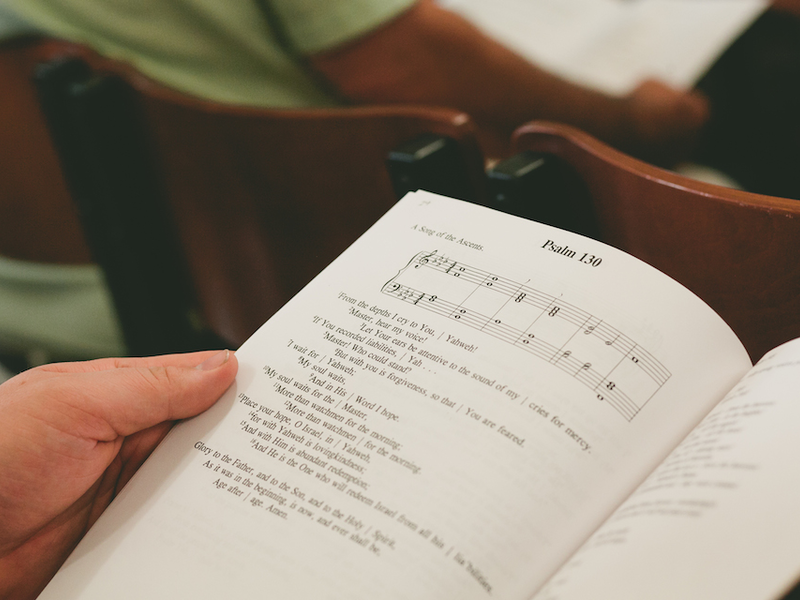
“It is only by participation in a rational, practice-based community that one becomes rational.” – Alasdair MacIntyre It may be perfectly clear to a chef why adding unsifted powdered sugar to a hot frosting is a bad idea. But for an amateur cook, this may be the kind of rule…

by Jonathan BarlowApril 2, 2015
giotto-noli-me
John

The Gardener and the Beloved, (Part 1)

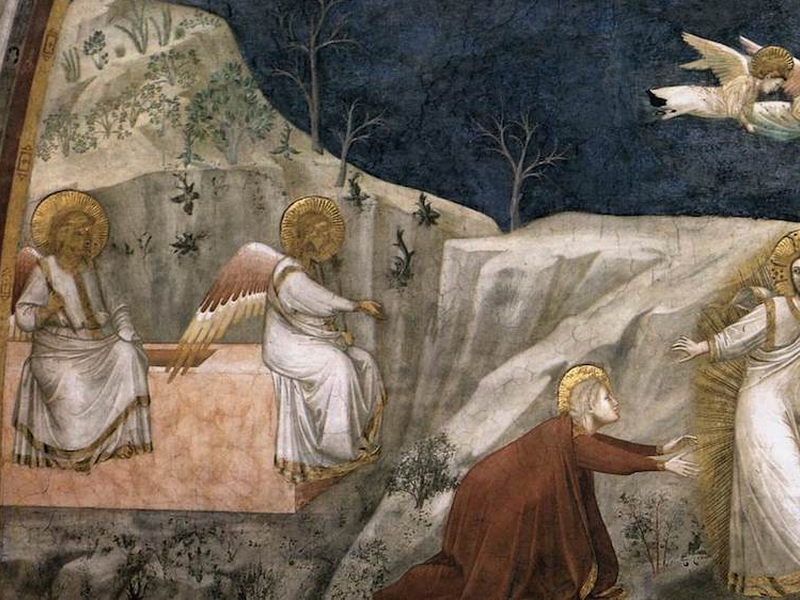
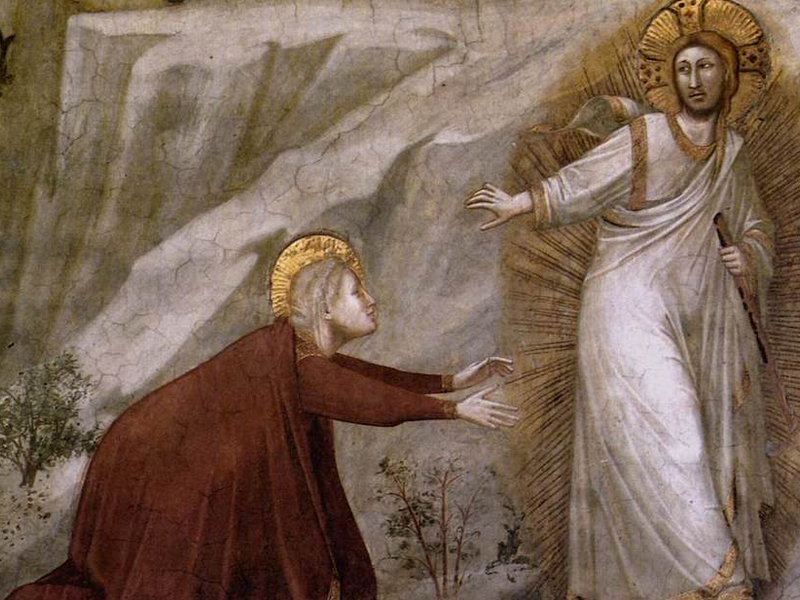
On a fresco in a chapel in Padua, Italy, there is a famous painting depicting the dramatic post-resurrection scene in John 20 with Mary and Jesus outside of the garden tomb. Giotto di Bondone painted it in the early 14th century. Jesus is striding from the tomb with a victor’s…

by Jeff MeyersApril 1, 2015

Showing page 156 of 309

See all
See all

Sermon Notes, Fourth Sunday of Lent

INTRODUCTION Jesus has already warned that His coming and the mission of the Twelve divides families (10:21), and He returns to that theme at the end of the discourse (vv. 34-36). He is the Prince of Peace, but the peace He brings comes after He brings a sword. THE TEXT…

February 25, 2008

Whispers to Shouts

Jesus whispers. He speaks dark and hidden parables. But He instructs His disciples to shout out His words on the housetops (Matthew 10:26-27). This is the history of the church in a nutshell. A Pharisee traveling to Damascus is throne from his horse and Jesus speaks to Him, and the…

February 24, 2008

Eucharistic meditation, Third Sunday of Lent

Matthew 10: I send you out as sheep in the midst of wolves. As we saw in the sermon this morning, Jesus distinguishes His disciples from the leaders of Israel as sheep from wolves. The Jewish leaders prey on the people, but the Twelve are supposed to take their place…

February 24, 2008

Exhortation, Third Sunday of Lent

We often think about mission as the thing that happens after all the really important stuff is over and done. Jesus died, rose again, ascended, and gave the Spirit, and now that everything is finished, we start the mission. Mission is announcing what has already happened. There’s some truth to…

February 24, 2008

Sacrifice

In a summary of the theology of Matthias Scheeben, von Balthasar notes that he “proposes a Christian theology of sacrifice which strongly rejects the Baroque theory of ‘destruction’ and returns to the wholly personal and spiritual concept of sacrifice of the Fathers, especially of Augustine.” Sacrifice is not essentially “destruction”…

February 23, 2008

More in heaven and earth

Pelagius agreed with Augustine that sin cannot be a substance, since God doesn’t create evil. For Pelagius, this meant that sin cannot corrupt or wound or weaken human nature since “how could that which lacks substance have weakened or changed human nature.” Augustine’s response is to quote Scripture (Psalm 40),…

February 23, 2008

Showing page 1562 of 2212

Browse by Category

In Medias Res

Your weekly digest for all things Theopolis.

Donate

Theopolis is nearly 100% donor-supported. Consider joining us on our mission.