Theopolis Logo

Writing

Explore our collection of theological essays, biblical studies, and reflections on faith and culture.

See all
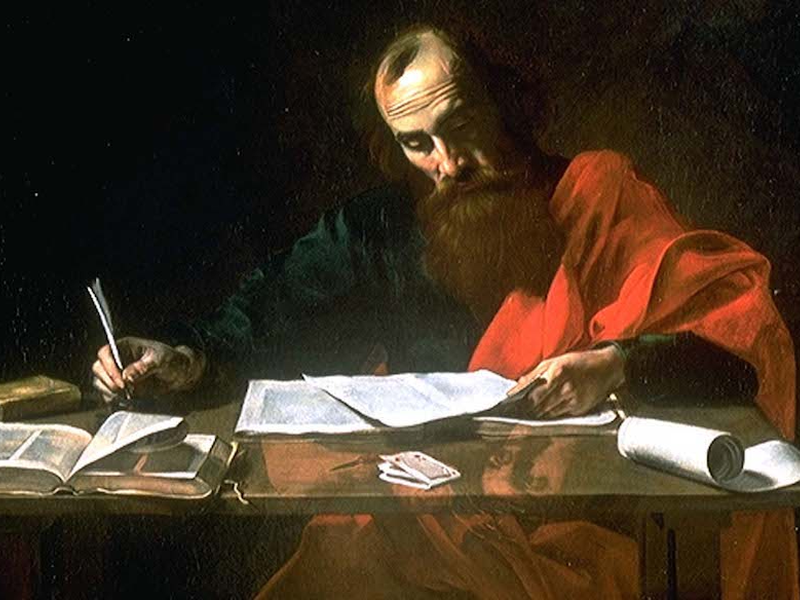
paul-2
Romans

Notes on Scary Stuff in Romans 9

What shall we say then? Is there injustice on God’s part? By no means! For he says to Moses, “I will have mercy on whom I have mercy, and I will have compassion on whom I have compassion.” So then it depends not on human will or exertion, but on…

by Mark HorneFebruary 5, 2015
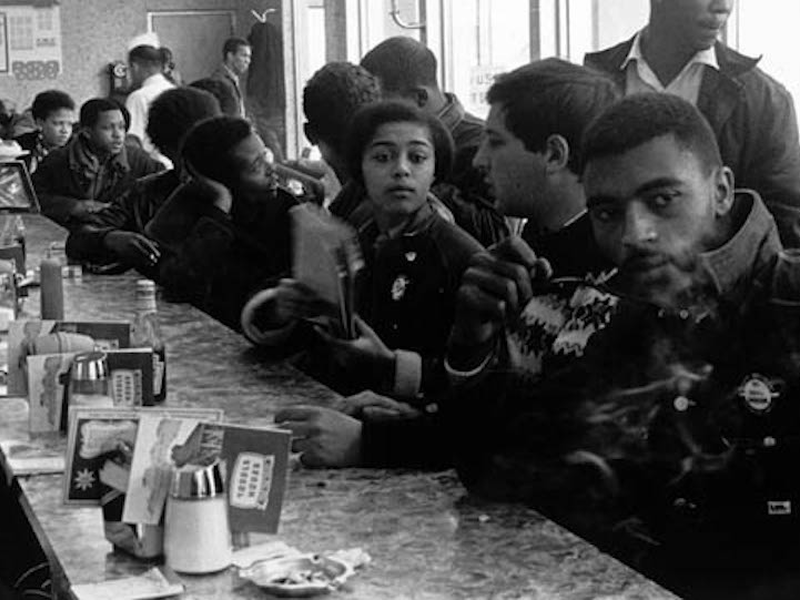
lunch-counter
American Politics

Covenants of Exclusion

A hundred years ago, William Warley signed a contract to buy a house in Louisville, Kentucky from Charles Buchanan, a white man. Before closing the sale, Warley, who was black, learned that the lot was subject to a city ordinance barring blacks from occupying the premises if most of the…

by Brendan O'DonnellFebruary 3, 2015
shakespeare-2
Literature

The Bard and the Book

I concluded the first essay on this topic by saying that I would introduce three books about Shakespeare and the Bible, but I decided to introduce four instead. The three books become four are: Naseeb Shaheen, Biblical References in Shakespeare’s Plays (London: Associated University Presses, 1999) ; Hannibal Hamlin, The…

by Ralph Allan SmithJanuary 29, 2015
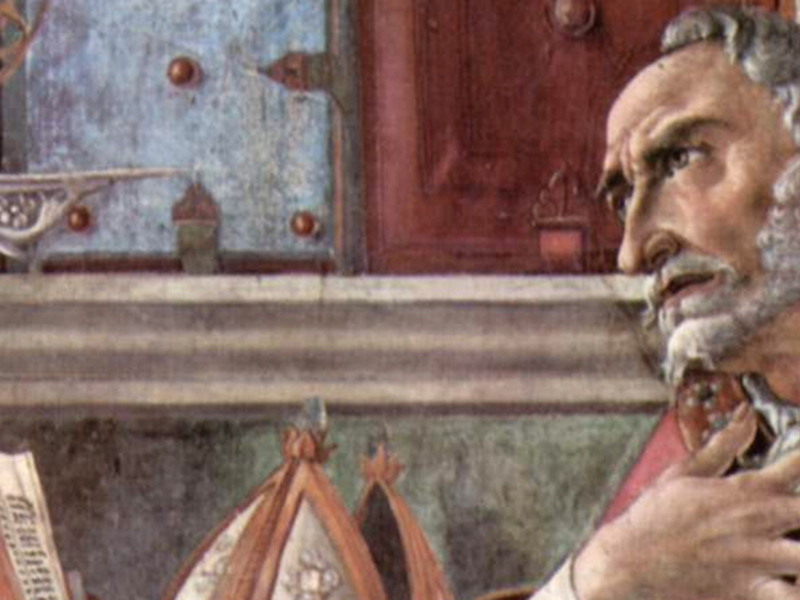
augustine-2
Augustine

Augustine on Pagan Virtue

My children attend a classical Christian school, situated in the independent “free church” evangelical tradition. Over the past few years they have been growing in their acquaintance with the world of Homer, Plato, Virgil, and Livy. They enjoy it, and I envy it. The school is a great school. My…

by Gerald HiestandJanuary 27, 2015
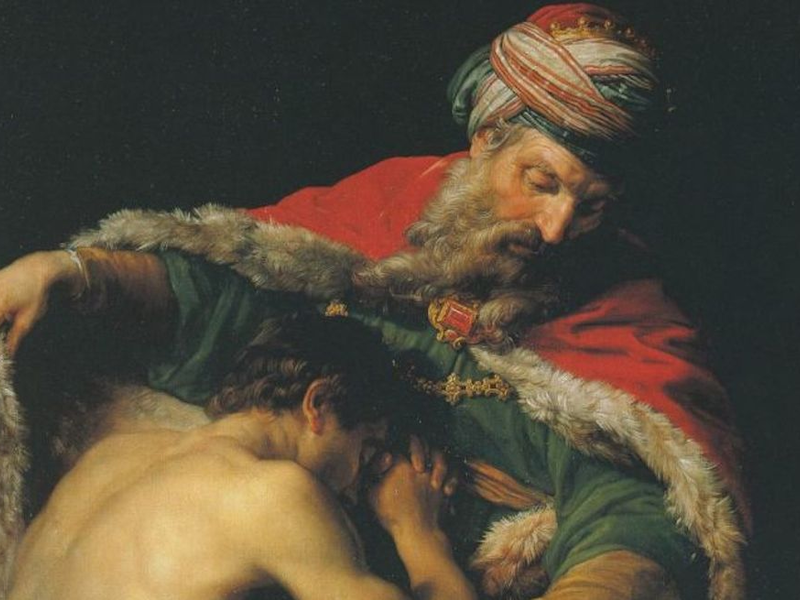
prodigal-son
Atonement

The Prodigal and the Cross

The Prodigal Son parable (Luke 15) has been a favorite of liberal theologians for a couple of centuries. It seems to be a parable designed for liberal sensibilities: An indulgent, accepting Father; forgiveness extended without a cross; a surly older brother who might represent the "conservative" face of religion who…

by Peter LeithartJanuary 22, 2015
sky-from-bridge
Ascension

Underground Man, Ascended Man

“I want now to tell you, gentlemen, whether you care to hear it or not, why I could not even become an insect. I tell you solemnly, that I have many times tried to become an insect. But I was not equal even to that. I swear, gentlemen, that to…

by Richard BledsoeJanuary 20, 2015

Showing page 161 of 309

See all
See all

Pentecost

Citing Deut 16:9-12 and the Gezer Calendar, K. Lawson Younger says in NIV Application commentary on Ruth, “the time period from the beginning of the barley harvest to the end of the wheat harvest was normally seven weeks, concluding at Pentecost.” Presumably, this was the festival that Boaz was celebrating…

February 20, 2008
Theology

Fall toward nothingness

Augustine is sometimes accused of ontologizing the effects of sin. City of God 14.13 seems to support this: “When [Adam] turned toward himself . . . his being became less complete than when he clung to Him Who exists supremely. Thus, to forsake God and to exist in oneself -…

February 18, 2008
Theology

Eschatology against the Stoics

Augustine rebuts Stoic notions of apatheia and eupatheia in Book 14 of the city of God. He says that Christian experience even those emotions that Stoics denounce - distress and pain and desire - and he roots these experiences in the fact that Christians live in the present age “because…

February 18, 2008
Literature

Hamlet the hero

A colleague, Jayson Grieser, pointed me to Paul Cantor’s little book on Hamlet a few months ago, but I have only recently been able to look at it. It’s superb. Cantor argues that the play dramatizes a conflict between the classical heroism revived by the Renaissance and the Christian constraints…

February 18, 2008
Economics

Augustine the Marginalist

In City of God, 11.16, Augustine observes the reality of marginal utility: “So far as the freedom of judgment is concerned . . . the reason of the thoughtful man is far different from the necessity of one who is in need, or the desire of the pleasure-seeker. For reason…

February 18, 2008

Sermon notes, Third Sunday of Lent

INTRODUCTION Jesus gives the Twelve authority to heal, raise the dead, cleanse lepers, cast out demons. He does not give them authority to escape persecutors. Persecution is an inevitable part of the mission of the Crucified. THE TEXT “Behold, I send you out as sheep in the midst of wolves.…

February 18, 2008

Showing page 1566 of 2212

Browse by Category

In Medias Res

Your weekly digest for all things Theopolis.

Donate

Theopolis is nearly 100% donor-supported. Consider joining us on our mission.