Theopolis Logo

Writing

Explore our collection of theological essays, biblical studies, and reflections on faith and culture.

See all
timothy-eberly-djj49s6ud2o-unsplash
Biblical Studies

Whom Shall We Believe? Evangelicals and Scholarship

As we move into the Persian period of ancient history, and try to reconcile it with Daniel’s prophecies, we need to ask some hard questions about the interpretation of the data before us. One question concerns the reliability of the Biblical witness, and beyond that a second question concerns the…

by James B. JordanJanuary 30, 1991
a2-118606403-jpg
Biblical Horizons

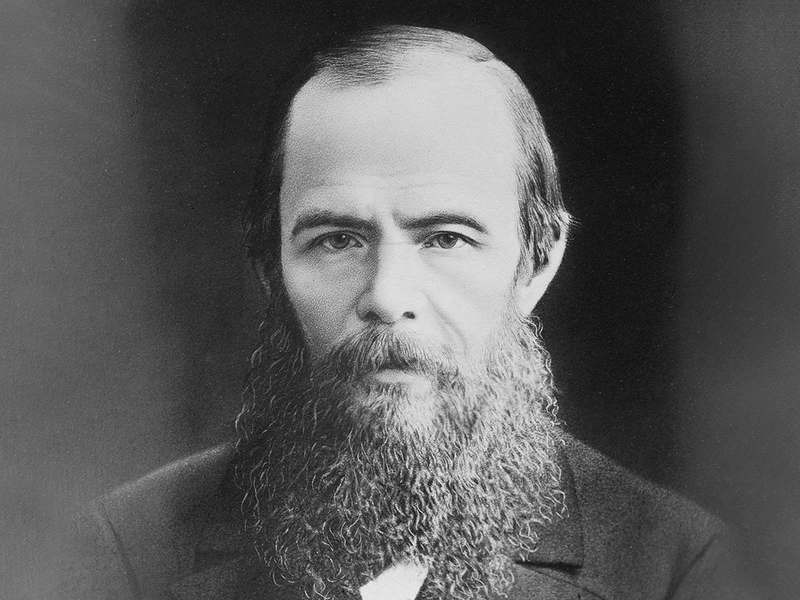
Understanding Russia

Ewa Majewska Thompson: Understanding Russia: The Holy Fool in Russian Culture Ewa M. Thompson is Professor and Chairman of the Department of German and Slavic Studies at Rice University. In this seminal study, she investigates the concept of the "holy fool" as it exists in Russian culture and civilization. While…

by James B. JordanJanuary 30, 1991
alfons-morales-ylswjsy7stw-unsplash-1
Biblical Studies

The Bible and Western Literature

The most cursory glance at the history of Western literature reveals that it has been deeply influenced by the Bible. Some of the greatest classics of Western literature draw their plots, characters, and ideas largely from Scripture; Dante’s Divine Comedy and Milton’s Paradise Lost are two of the most notable…

by Peter LeithartJanuary 23, 1991
screen-shot-2022-04-28-at-4-57-36-pm
Exodus

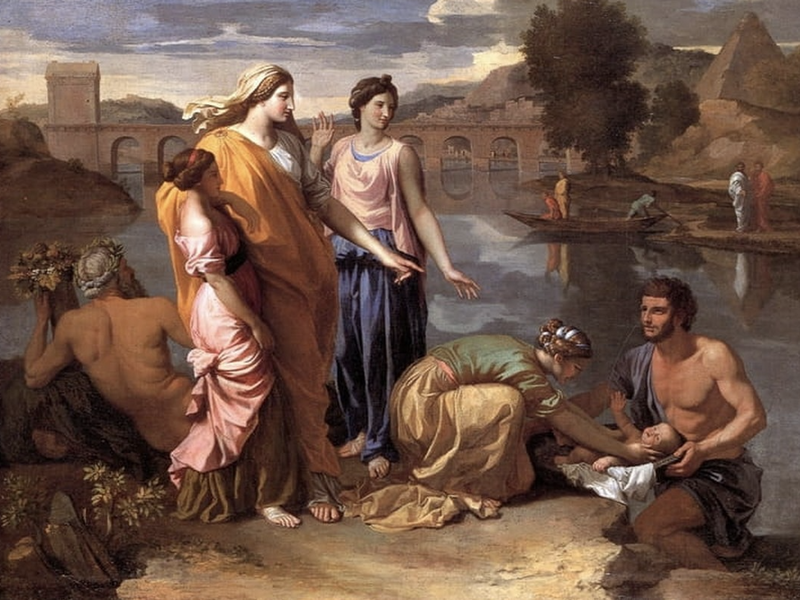
The Beautiful Child

Each time the Scriptures recount the story of Moses’ birth and deliverance from Pharaoh, reference is made to two facts about that event. First, each text points out that Moses was "beautiful." Second, each text points out that Amram and Jochebed, his parents, hid him for three months (cf. Ex.…

by Peter LeithartJanuary 23, 1991
501819ld-2
Romans

Who Rules the Land? The Meaning of the Noahic Covenant, Part 2

Click HERE for Part 1. The Message of the Covenant Can we really say that the saints presently rule the world, and always have since Noah? Look around and you can see that the wicked rule in virtually every country on earth. There are wicked civilizations that rise Babelically age…

by James B. JordanDecember 30, 1990
hebrew-manuscript-6
Hermeneutics

Daniel’s 70 Weeks

As we saw last time , we have come to the place in the study of Biblical chronology where it seems that we are forced to abandon the Bible itself as our primary source of information. If we assume that the seventy sevens of Daniel 9:24-27 are in fact weeks…

by James B. JordanDecember 23, 1990

Showing page 300 of 309

See all
See all

Pentecost

Citing Deut 16:9-12 and the Gezer Calendar, K. Lawson Younger says in NIV Application commentary on Ruth, “the time period from the beginning of the barley harvest to the end of the wheat harvest was normally seven weeks, concluding at Pentecost.” Presumably, this was the festival that Boaz was celebrating…

February 20, 2008
Theology

Fall toward nothingness

Augustine is sometimes accused of ontologizing the effects of sin. City of God 14.13 seems to support this: “When [Adam] turned toward himself . . . his being became less complete than when he clung to Him Who exists supremely. Thus, to forsake God and to exist in oneself -…

February 18, 2008
Theology

Eschatology against the Stoics

Augustine rebuts Stoic notions of apatheia and eupatheia in Book 14 of the city of God. He says that Christian experience even those emotions that Stoics denounce - distress and pain and desire - and he roots these experiences in the fact that Christians live in the present age “because…

February 18, 2008
Literature

Hamlet the hero

A colleague, Jayson Grieser, pointed me to Paul Cantor’s little book on Hamlet a few months ago, but I have only recently been able to look at it. It’s superb. Cantor argues that the play dramatizes a conflict between the classical heroism revived by the Renaissance and the Christian constraints…

February 18, 2008
Economics

Augustine the Marginalist

In City of God, 11.16, Augustine observes the reality of marginal utility: “So far as the freedom of judgment is concerned . . . the reason of the thoughtful man is far different from the necessity of one who is in need, or the desire of the pleasure-seeker. For reason…

February 18, 2008

Sermon notes, Third Sunday of Lent

INTRODUCTION Jesus gives the Twelve authority to heal, raise the dead, cleanse lepers, cast out demons. He does not give them authority to escape persecutors. Persecution is an inevitable part of the mission of the Crucified. THE TEXT “Behold, I send you out as sheep in the midst of wolves.…

February 18, 2008

Showing page 1566 of 2212

Browse by Category

In Medias Res

Your weekly digest for all things Theopolis.

Donate

Theopolis is nearly 100% donor-supported. Consider joining us on our mission.