Theopolis Logo

Writing

Explore our collection of theological essays, biblical studies, and reflections on faith and culture.

See all
little-girl
Children

Honor God With Your Body

I am making a new rule in our house! We are actually kind of skimpy on the house rules. I try very hard to keep things simple: love God, love others, be joyful. It’s not complicated to avoid discipline here. But I have found myself repeating this new rule over…

by Lindsey TollefsonApril 9, 2015

giotto-noli-me-3
John

The Gardener and the Beloved, (Part 3)

Click HERE for Part 2 The voice of Jesus transforms and changes Mary when she hears him speak her name. This is her last “turning.” So also the woman in the Song of Songs longs to hear the voice of her beloved. Let me see your face, let me hear…

by Jeff MeyersApril 6, 2015
giotto-noli-me-2
John

The Gardener and the Beloved, (Part 2)

Click HERE for Part 1. The details of this story call the attentive reader back to the drama of Solomon’s Song of Songs. And the Song of Song’s alludes to, ties us into the story of Adam and Eve in the Garden and the promise of a coming Messiah that…

by Jeff MeyersApril 4, 2015
easter-term-2015-2
Theopolis News

Easter Term, 2015

“The course was a paradigm shift for me,” said Jonathan Sedlak, a Milwaukee electrical contractor who attended Theopolis’s course on Revelation. “I am left with a book that is far more practical than it has ever seemed before.” Jonathan Anderson of Louisville, Kentucky found the course “refreshing.” “I finished with…

by TheopolisApril 2, 2015
psalm-singing
Genesis

Worship as Response: Liturgical Logic, (Part 1)

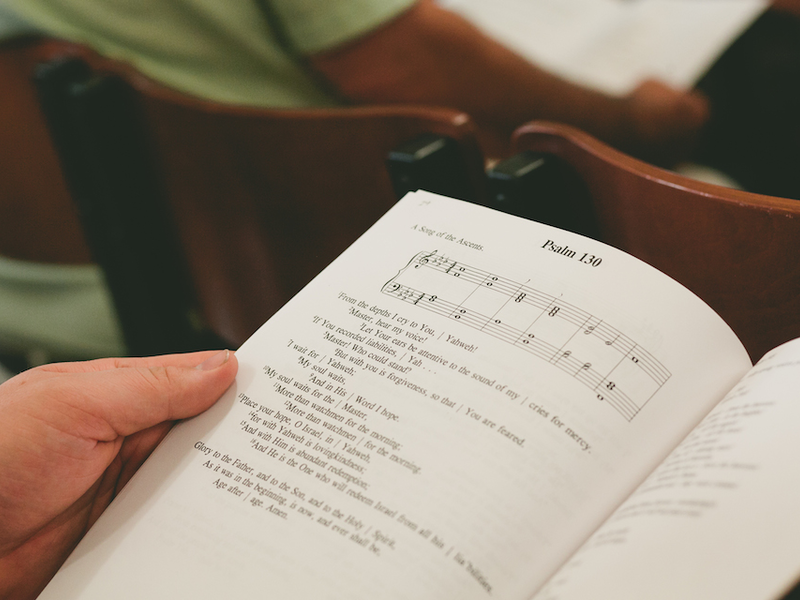
“It is only by participation in a rational, practice-based community that one becomes rational.” – Alasdair MacIntyre It may be perfectly clear to a chef why adding unsifted powdered sugar to a hot frosting is a bad idea. But for an amateur cook, this may be the kind of rule…

by Jonathan BarlowApril 2, 2015
giotto-noli-me
John

The Gardener and the Beloved, (Part 1)

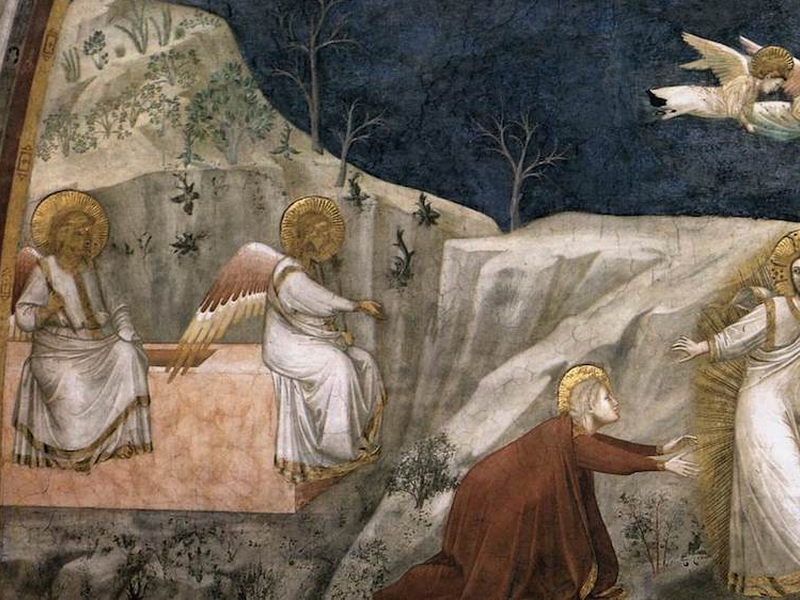
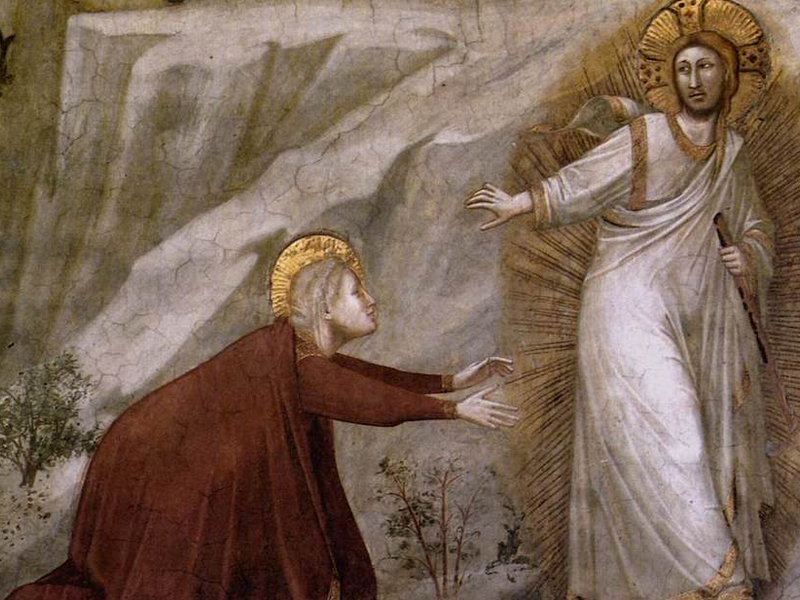
On a fresco in a chapel in Padua, Italy, there is a famous painting depicting the dramatic post-resurrection scene in John 20 with Mary and Jesus outside of the garden tomb. Giotto di Bondone painted it in the early 14th century. Jesus is striding from the tomb with a victor’s…

by Jeff MeyersApril 1, 2015

Showing page 156 of 309

See all
See all
Politics

New Atheism and the Jihad

In his recent book on the West’s war on “Jihadism,” Weigel observes that it is ironic that the “new atheism” has emerged just when religion has become unavoidably dominant in world politics. Dawkins, Hitchens, and Harris would, Weigel suggests, deprive the West of necessary categories for engaging Islamic radicalism: “a…

February 14, 2008
History

Peter the Liberator

In his recently reprinted Family and Civilization , Carle Zimmerman notes that the “domestic family” ideal developed in the 12th century. In this model, marriage is liberated from family power, from patriarchalism. He quotes from a text on Canon law: “The marriage jure canonico ought to be completely free from…

February 13, 2008
Philosophy

Generating meaning

One of the most controversial claims of some postmodern thinkers is that language creates rather than simply reflects meaning. Whatever the truth of that as a global statement about language’s generation of meaning, it is fairly obvious that language generates meaning at a lower level. In his first encounter with…

February 13, 2008

Ten years

Noami sojourned in the fields of Moab for 10 years (Ruth 1:4), which points to the conclusion of the book, where the author traces the descend of Judah for 10 generations, to David. After 10 years, Naomi returned to the land, which by then had become fruitful (1:22). After 10…

February 13, 2008

Husband and King

James Jordan points out in his lectures on Ruth that the book contrasts Boaz with Elimelech as husband. Elimelech is a failure as a husband, leaving the land and then leaving Naomi alone. The contrast of the two men also has a political dimension. Israel’s kings were in a quasi-marital…

February 13, 2008

Odd words

A favorable Publishers Weekly review of Michael Burleigh’s Sacred Causes criticizes his obscure language: “Use of odd words such as ‘erastianism’ and ‘soteriological’ detract from what is otherwise a rewarding example of intellectual history.” It’s a book about religion and politics, mind you.

February 12, 2008

Showing page 1569 of 2212

Browse by Category

In Medias Res

Your weekly digest for all things Theopolis.

Donate

Theopolis is nearly 100% donor-supported. Consider joining us on our mission.