Theopolis Logo

Writing

Explore our collection of theological essays, biblical studies, and reflections on faith and culture.

See all
tim-marshall-k2u71wv2ei4-unsplash
Modernity

Protestantism and the Postmodern self

Postmodernism has, we are told, “decentered” the modern self, that unified, sovereign, isolated, godlike “thinking thing” discovered by Rene Descartes. The postmodern self is not single but multiple; not sovereign but controlled by external forces; not isolated but “embedded” in the world and in relation; not godlike, but human, all…

by Peter LeithartMay 6, 2013

kiwihug-l4gw27xzn1i-unsplash
Matthew

Law and History: How to Read the Law of Moses (Part 8)

This is the eighth in a series of studies on Deuteronomy 22:30-23:8. And Jesus went out thence, and withdrew into the parts of Tyre and Sidon. And behold, a Canaanitish woman came out from those borders, and cried, saying, Have mercy on me, O Lord, thou son of David; my…

by Ralph Allan SmithMay 1, 2013
screen-shot-2023-09-20-at-7-04-07-am
Augustine

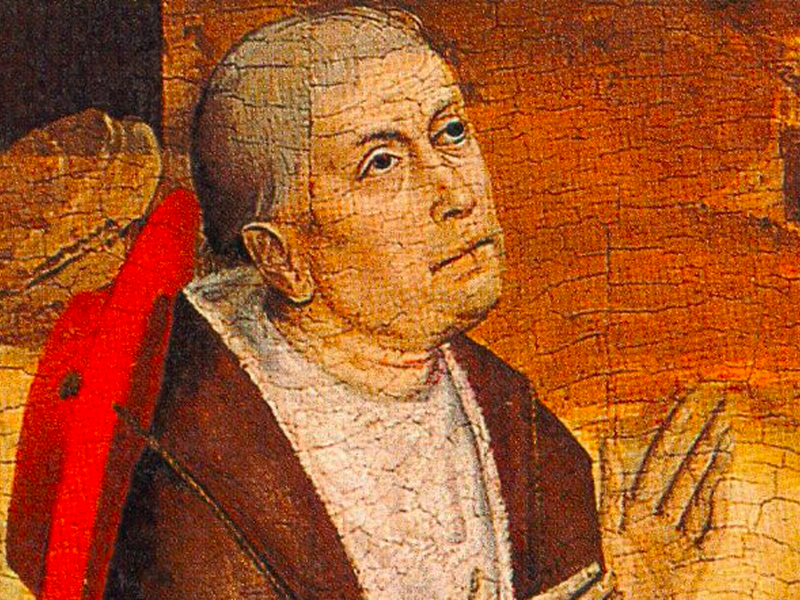
A Cusan Modernity?

The fifteenth-century German Cardinal Nicholas of Cusa led a busy and wide-ranging life. Educated in liberal arts and law at Heidelberg and Padua, Nicholas was a leading figure in the Conciliarist movement, and later served as a papal legate to both Constantinople and throughout Germany. As Bishop of Brixen, he…

by Peter LeithartApril 29, 2013
screenshot-2023-07-27-at-10-25-35-am
Deuteronomy

Law and History: How to Read the Law of Moses (Part 7)

This is the seventh in a series of studies on Deuteronomy 22:30-23:8. Thou shalt not abhor an Edomite, for he is thy brother; thou shalt not abhor an Egyptian, because thou wast a sojourner in his land. The children of the third generation that are born unto them shall enter…

by Ralph Allan SmithApril 25, 2013
ivan-aleksic-16yxcjsoaek-unsplash
Romans

What Advantage the Jew?

A sermon on Romans 3:1-8. 1 Then what advantage has the Jew? Or what is the value of circumcision? 2 Much in every way. To begin with, the Jews were entrusted with the oracles of God. A lot of people speculate here about what kind of advantage Paul is talking…

by Mark HorneApril 22, 2013
screenshot-2023-07-27-at-10-25-35-am
Deuteronomy

Law and History: How to Read the Law of Moses (Part 6)

This is the sixth in a series of studies on Deuteronomy 22:30-23:8. An Ammonite or a Moabite shall not enter into the assembly of Yahweh; even to the tenth generation shall none belonging to them enter into the assembly of Yahweh forever: because they met you not with bread and…

by Ralph Allan SmithApril 17, 2013

Showing page 195 of 309

See all
See all
History

Liminality and the sacred

Milbank sums up Victor Turner by saying that “the sublime is no longer outside the social, at the margin of individuality [as in Weber’s charisma], and nor is it the social whole [as in Durkheim]: instead it is situated within society in the constant negotiation of dangerous passages. Paradoxically, it…

February 12, 2008

Cur Deus Homo

City of God 10.6 is a rich and important, though obscure, explanation of what might be called the sociology of sacrifice. At the beginning of the chapter, Augustine defines sacrifice as any act we perform in order to be united to God in holy society. Acts of mercy are sacrifices,…

February 11, 2008

Augustine against envy

Dodaro again: “Only when it is understood by believers that God mediates goodness to human beings directly, without intermediary spiritual beings such as angels - and certainly not through priests - is it possible to put an end to spiritual rivalries.”

February 11, 2008

High Church Donatists

The Donatists are usually seen as the sectarians of the early church but Robert Dodaro points out that for Augustine their sectarianism derived from their clericalism: “Augustine explains that cultic acts which remit sins, such as baptism, are in reality performed by Christ, who acts through Christian priests. Augustine’s frequent…

February 11, 2008

Sermon notes, Second Sunday of Lent

INTRODUCTION Like Moses (Numbers 27:17), Jesus sees that Israel is like sheep without a shepherd (Matthew 9:36), a field white to harvest. Moses gave authority to Joshua to lead Israel in and out in conquest; Jesus gives authority to the Twelve to carry out another conquest (10:1). THE TEXT “And…

February 11, 2008

Eucharistic exhortation, First Sunday of Lent

Matthew 9:36: And seeing the multitudes, He felt compassion for them, because they were harassed and thrown down like sheep having no shepherd. I mentioned in the sermon that the phrase “sheep without a shepherd” appears in the prophecy of Micaiah who warns Ahab that he will die if he…

February 10, 2008

Showing page 1570 of 2212

Browse by Category

In Medias Res

Your weekly digest for all things Theopolis.

Donate

Theopolis is nearly 100% donor-supported. Consider joining us on our mission.