Theopolis Logo

Writing

Explore our collection of theological essays, biblical studies, and reflections on faith and culture.

See all
e99a2191
Theopolis News

New Season & New Relationships

We have moved from death to new life, from Lenten darkness to Easter light. And while Easter Sunday may have come and gone, it's effects are continually with us. This season has brought with it several new relationships, events, and signs of growth for Theopolis. We have been networking with…

by Peter LeithartMay 9, 2016
eucharist-2
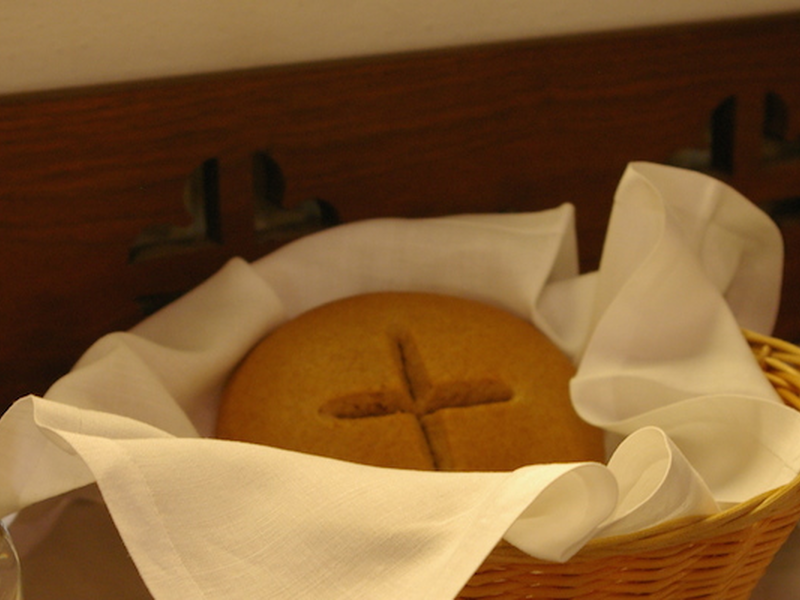
Eucharist

Social Eucharist in the Middle Ages

In The People's Work , a social history of Christian Worship, Frank Senn summarizes the developments of the medieval period with regard to the Eucharist. He begins by challenging the assumption that medieval society was held together by “the church.” He notes that the church was often divided and conflicted,…

by Peter LeithartMay 5, 2016
turing-machine
Biblical Theology

What Is Systematic Typology? Part 4: Wheels Within Wheels

The structure of the Bible resembles something which was grown rather than built, composed rather than assembled. Its employment of “structure-as-sign” at every level from micro- to macrocosmic leads to the conclusion that a hermeneutic worthy of Scripture requires not only training in history, art and music but also the…

by Mike BullMay 3, 2016
giotto-noli-me-3
Luke

Eighth Day, Eighth Verdict

For some in first-century Israel, Easter was anything but good news. It was a terrifying surprise. For the rulers and powers that put Jesus to death, the idea that He had been raised by some power beyond their control was chilling. Early in Luke’s gospel, we're told that Herod thought…

by Peter LeithartApril 28, 2016
sebastian-pena-lambarri-yv593oymkmo-unsplash
Hermeneutics

153 Large Fish

Simon Peter went up, and drew the net to land, full of large fish, a hundred and fifty-three; and although there were so many, the net was not torn. (John 21:11) This is one of those texts in the Bible that many people puzzle over. It is not a puzzle…

by James B. JordanApril 26, 2016
jesus-on-trial
Philemon

Pilate the Kingmaker

God is not mocked, Paul says. God is mocked, says Matthew. Who’s right? The two are in perfect harmony, but to see that, we need to run through the passage again. We’ll see that at every point, the mockery is being turned against the mockers. At every point, mockery is…

by Peter LeithartApril 21, 2016

Showing page 132 of 309

See all
See all

Ten books

Pamuk again: “to read well is not to pass one’s eyes and one’s mind slowly and carefully over a text: it is to immerse oneself utterly in its soul. This is why we fall in love with only a few books in a lifetime. Even the most finely honed personal…

January 19, 2008
Literature

Reading and Words

Pamuk again, summarizing a comment from Proust concerning reading: “There is, he said, a part of us that stays outside the text to contemplate the table at which we sit, the lamp that illuminates the plate, the garden around us, or the view beyond. When we notice such things, we…

January 19, 2008
Literature

Dostoevsky’s anger

In an essay on Notes from Underground , the Turkish novelist Orhan Pamuk suggests that Dostoevsky’s “anger was not a simply expression of anti-Westernism or hostility to European thinking: What Dostoyevsky[his spelling] resented was that European thought came to his country at second hand. What angered him was not its…

January 19, 2008

Jesus’ Sword

Jesus comes to bring a sword that sets sons against fathers, daughters against mothers, etc. (Matthew 10:34-39). What is the sword? Perhaps Rome; and when Jesus wields the sword of the Roman armies against Judea and Jerusalem, He sets family members against one another. With Rome threatening, some Jews will…

January 19, 2008

Parable of fig tree

What is the “Parable of the fig tree” that Jesus mentions in Matthew 24:32? The fig tree’s branches and leaves will tell you that summer is near, and that when the things he describes take place the time of the end is near. But what does this refer to exactly?…

January 19, 2008

Hagar’s Firsts

In her contribution to Hagar, Sarah and their Children (WJK), Phyllis Trible develops an interesting feminist reading of the story of Hagar. Her targets (surprise!) patriarchy and hierarchy, but along the way she makes some insightful observations on the text. She notes, for instance, that Hagar’s departure from the household…

January 19, 2008

Showing page 1580 of 2212

Browse by Category

In Medias Res

Your weekly digest for all things Theopolis.

Donate

Theopolis is nearly 100% donor-supported. Consider joining us on our mission.