Theopolis Logo

Writing

Explore our collection of theological essays, biblical studies, and reflections on faith and culture.

See all
e99a9334
Advent

Stretching Christmas

For many people Christmas comes on December 25 and is over December 26. The tree is taken down along with the lights and the other decorations, and everyone begins setting the house in order for the new year. No more Christmas hymns. No more celebrations (well, until New Year’s Eve).…

by Steve WilkinsDecember 24, 2016
ascension
Advent

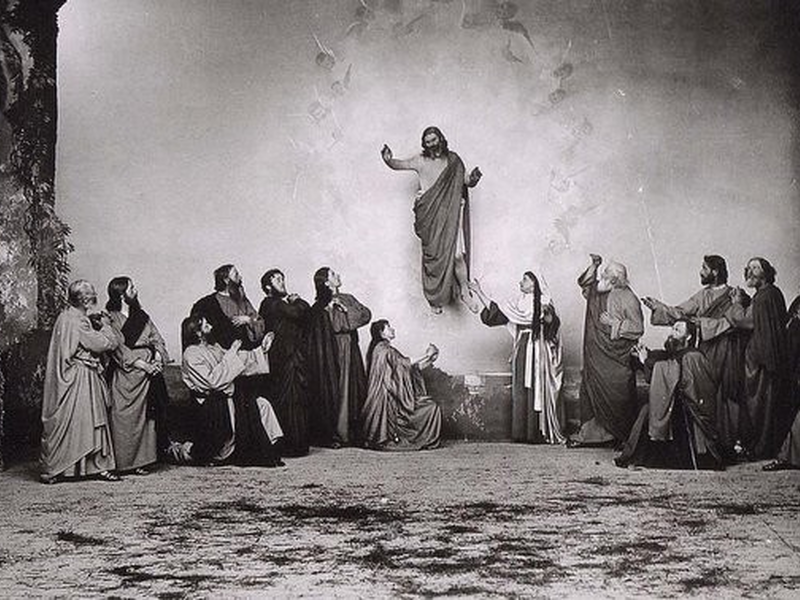
Ascension and Incarnation

The Ascension and the Incarnation should not be disconnected in our Christmas thinking or celebrations. As N.T. Wright notes, the ascension is "a central and vital feature without which all sorts of other things start to go demonstrably wrong. . . . where the ascension has been ignored or misunderstood,…

by Roy AtwoodDecember 23, 2016
nativity-rembrandt
Advent

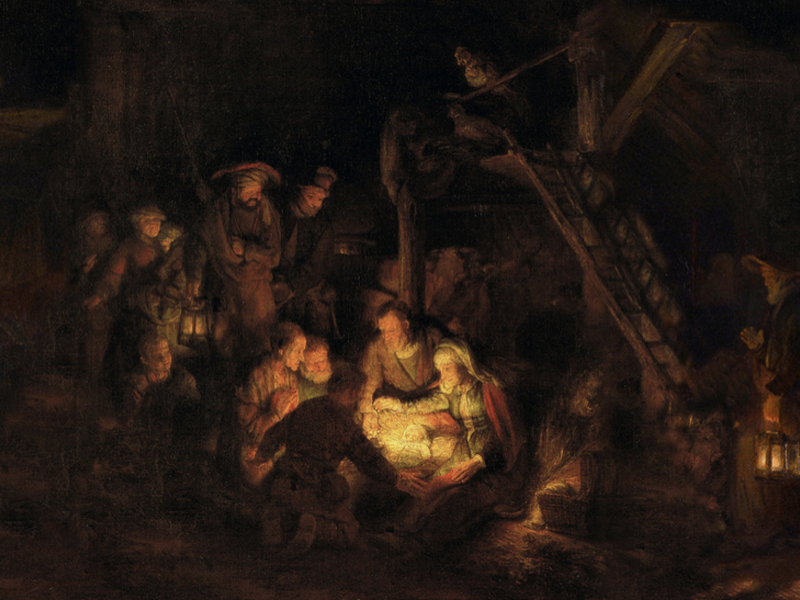
Christmas Light

“In the Word was life, and the life was the light of men. And the light shines in the darkness.” Thus John describes the incarnation of the Son. He comes as the living and life-giving light of the world. That’s good news. In the beginning, God spoke and light shone…

by Peter LeithartDecember 23, 2016
nativity-chagall
Advent

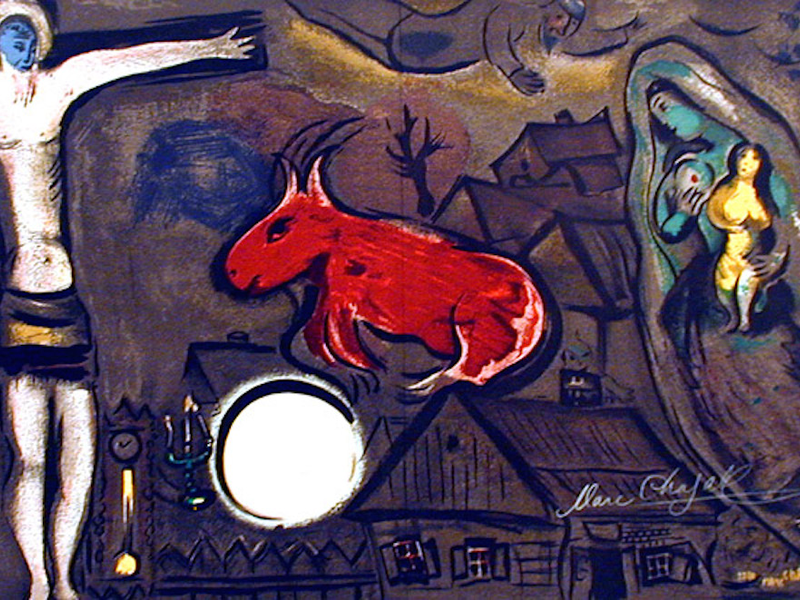
The Spirit of Christmas

Christmas is all about Jesus. The angels announce Jesus’ birth, shepherds and wise men come to see Jesus, Herod wants to kill Jesus. We occasionally think of the Father who sent the Son, but we keep returning to the Son made flesh in Bethlehem’s manger. Meanwhile, as always, the Spirit…

by Peter LeithartDecember 22, 2016
nativity
Advent

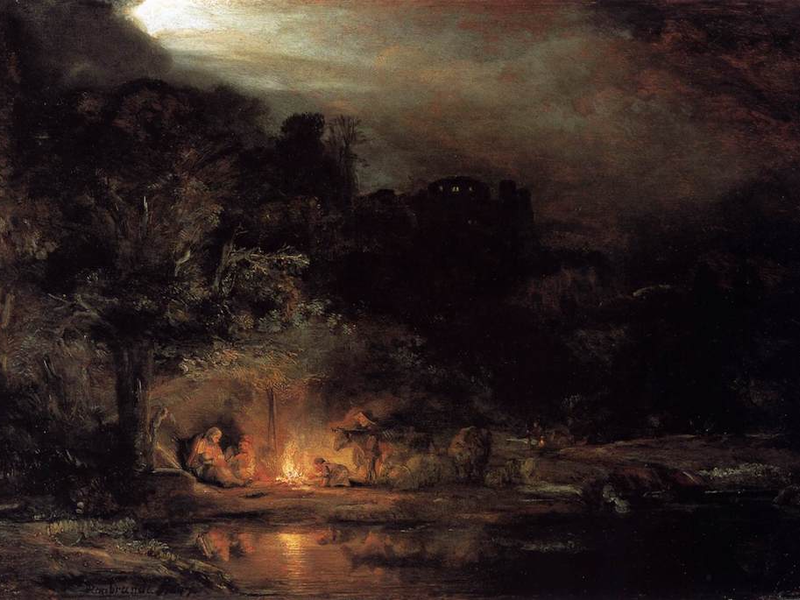
The Humility of God

Christmas is about many things, but one of the chief things revealed in the gospel of Christmas is the humility of God. We don't often think of humility as an attribute of God. If God is glorious and exalted, we think, He must be haughty and proud and self-centered. We…

by Peter LeithartDecember 21, 2016
screenshot-2025-12-15-at-8-35-45-am
Advent

Advent of Unity

John famously begins his Gospel with a piece of theology: “In the beginning was the Word, and the Word was with God, and the Word was God.” Matthew starts with a genealogy. John celebrates Advent with a hymn, Matthew with a list. For John, Jesus is the Word of creation…

by Peter LeithartDecember 20, 2016

Showing page 120 of 309

See all
See all

Erotic Trinity

Desmond suggests that when Hegel defines God as love, he has in mind God as erotic love, and God specifically as needy erotic love: “For Hegel . . . the movement up and the movement down seem not to be two different movements, but two expressions of a singular movement…

November 28, 2007

Can Hegel Count to Two?

In a brilliant chapter of his book on Hegel’s God, William Desmond asks whether Hegel can count to two. He wonders if Hegel is capable of accounting “for the true otherness of creation as temporal and not as eternal?” More, “Let God’s self-movement be eternal, but the self-becoming in time…

November 28, 2007

Hegel’s Trinity

In his book on the Trinity in German Thought, Samuel Powell gives a remarkably lucid summary of Hegel’s Trinitarian theology. A few of his major points: 1) Hegel worked out his position as a way between the Enlightenment and pietism, focusing on the question of whether and how we can…

November 28, 2007
Science

Stem cells

The news actually broke this summer, when Japanese researcher Shinya Yamanaka announced that he had found a technique to transform cultured mouse skin cells into cells nearly identical to embryonic stem cells. As Nature magazine pointed out, if something similar works in humans, a simple skin biopsy could be used…

November 28, 2007
Philosophy

Marion and the gift

In his discussions of gifts, Marion takes both Heidegger and Derrida as interlocutor. In dialogue with Heidegger, he wants to show that the reduction that Heidegger performs does not necessarily reveal Being as the final horizon; he wants to argue that the reduction reveals givenness as the ultimate horizon instead.…

November 28, 2007

Showing page 1600 of 2212

Browse by Category

In Medias Res

Your weekly digest for all things Theopolis.

Donate

Theopolis is nearly 100% donor-supported. Consider joining us on our mission.