Theopolis Logo

Writing

Explore our collection of theological essays, biblical studies, and reflections on faith and culture.

See all
img_4660-2
Sacramental Theology

The Gospel According to the Sacraments, (Part 1)

My first title for this series of posts was “Evangelical Sacramental Ecumenism” – not exactly a clickbait title. But those three words, evangelical, sacramental, and ecumenical, say a lot: The centrality of the gospel; a focus on baptism, bread, and wine; and the quest for visible unity among diverse churches.…

by Michael SpalioneDecember 12, 2017

e99a2313
Baptism

Baptism and Contextualization, (Part 1)

I can imagine someone reading the title of this essay and saying to himself, "I have two questions. First, what in the world is “contextualization”?" Second, even before hearing the answer to the first question, he may wonder, "what does baptism have to do with such an awkward and vague…

by Ralph Allan SmithDecember 7, 2017
sixteen-miles-out-al48tflf4e8-unsplash
Deuteronomy

Law of the Rebellious Son

Deuteronomy 21:18-21 My colleague Ralph Smith has recently written on this passage, here . I entirely agree with Ralph's thrust, which is typological, that the passage is ultimately aimed at the entire nation of Israel itself as the rebellious son. But what I am thinking is from another perspective, perhaps…

by Richard BledsoeDecember 5, 2017
e99a2313
Baptism

Like A Dove (Part 2)

In the previous article in this series, I drew attention to the threefold meaning of the Spirit of God descending as a dove on Jesus at His baptism. On a related note, I also argued that 1 Corinthians 6:9-11 and Titus 3:3-7 were parallel passages that addressed the same issues…

by Ralph Allan SmithNovember 30, 2017
colin-1
Politics

What’s in a Flag?

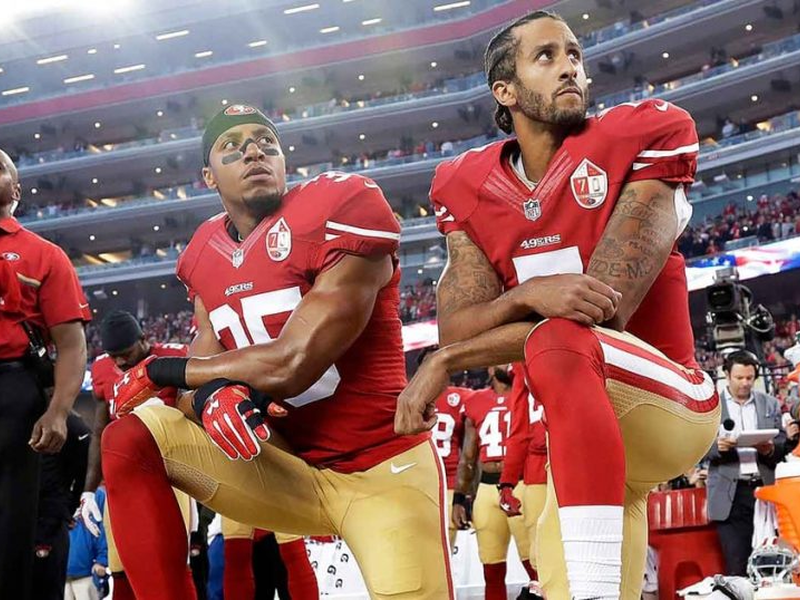
The National Anthem protest is misguided. So too the conservative backlash. The Church’s response has been disappointing. I address each in turn. The greatest triumph of the American Civil Rights Movement was its seizing of the moral high ground in American politics. It did so by insisting only on those…

by A. K. ShaukuNovember 28, 2017
baptism-of-christ
Baptism

Like a Dove

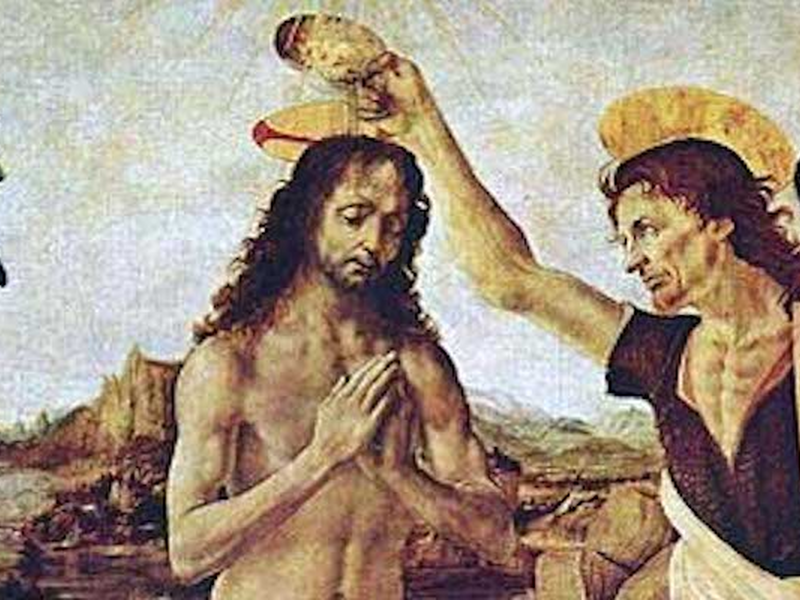
Peter Leithart’s book, The Priesthood of the Plebs: A Theology of Baptism , argues that baptism is parallel to and the fulfillment of the old covenant rite of priestly ordination. But this is not something explicitly stated in the New Testament. Why, then, should we believe it? Leithart shows in…

by Ralph Allan SmithNovember 23, 2017

Showing page 102 of 309

See all
See all

Tale of Two Women

In Numbers 12, Miriam and Aaron object to Moses’ Cushite wife. Miriam becomes leprous, is excluded from the camp, and restored on the eighth day. That is to say: The Messiah’s Jewish sister objects to the Gentile bride, and is cast out of the camp, but then she is cleansed…

November 9, 2007

Sacrificial sequence

Hicks again: He organizes his discussion of the New Covenant fulfillment of the sacrificial system in the phrases “life surrendered,” “life transformed,” and “life shared.” Reconciliation is made on the basis of life surrendered, blood shed, but that’s not the end point of the reconciling sacrifice. This enables him to…

November 8, 2007

Burning flesh

FCN Hicks writes in his 1946 book on sacrifice that the burning of an animal on the altar was not destructive but transforming: “The offering is not destroyed but transformed, sublimated, etherealised, so that it can ascend in smoke to the heaven above, to the dwelling-place of God.” He cites…

November 8, 2007
Philosophy

Signs and domination

Only God, Augustine argues in his treatise on music, acts on rational souls directly, “per seipsum.” Human beings operate on one another’s souls through intervening bodies, that is, through the words and other signs. God has arranged the world this way, he says, as a check on human ambition and…

November 8, 2007

Signa data

Many translators and interpreters of Augustine’s de doctrina Christiana translate “signa data” as “conventional signs.” But there’s something to be said for taking the phrase literally (as some commentators do). The difference between naturalia and data, Augustine says, is that the latter occur by the will of a sign-user while…

November 7, 2007
History

Sixteenth-century exchanges

Shakespeare recognized that something new was in the offing, but the actual situation of England and Europe in the sixteenth and seventeenth centuries was far more complicated that Timon of Athens suggests. The gift-society to which Timon is attached was not being completely replaced, nor was the market the main…

November 7, 2007

Showing page 1609 of 2212

Browse by Category

In Medias Res

Your weekly digest for all things Theopolis.

Donate

Theopolis is nearly 100% donor-supported. Consider joining us on our mission.