Theopolis Logo

Writing

Explore our collection of theological essays, biblical studies, and reflections on faith and culture.

See all
baptism
Baptism

And He Gave Some To Be Parents

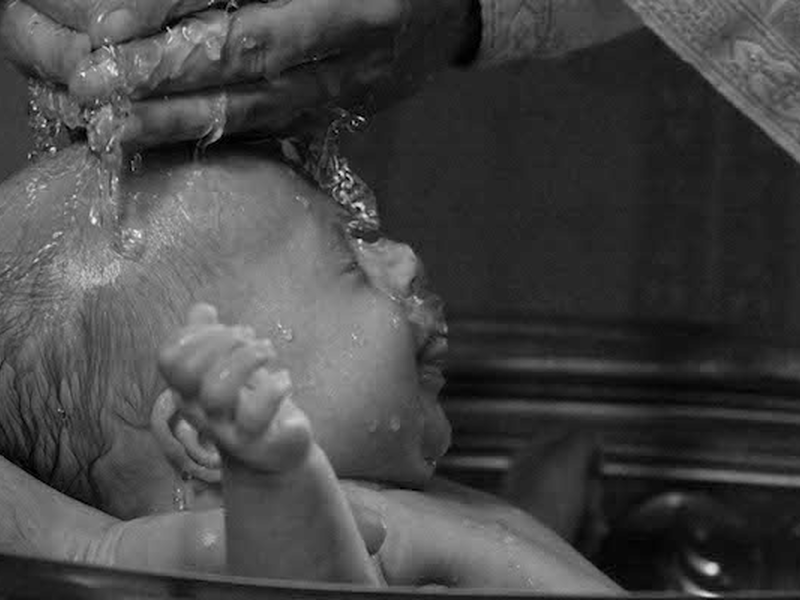
Standing in the narthex at the font, parents joyfully approach with their newborn child. The pastor asks the parents a series of questions that may include their renunciation of the devil and all his works, their faith in God the Father, Son, and Spirit as explained in the Apostles’ Creed,…

by Bill SmithFebruary 17, 2015
christ-presentation-in-temple
Luke

Anna of Asher

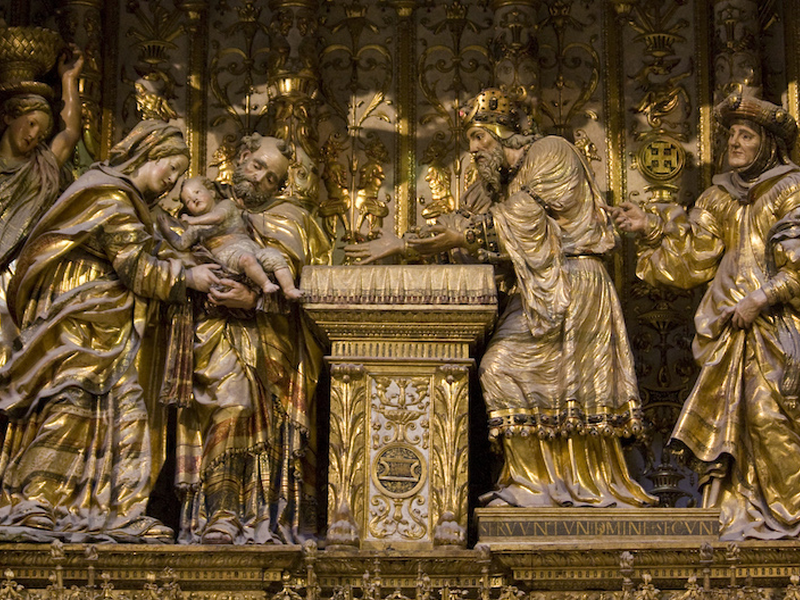
And there was a prophetess, Anna, the daughter of Phanuel, of the tribe of Asher. She was advanced in years, having lived with her husband seven years from when she was a virgin, and then as a widow until she was eighty-four. She did not depart from the temple, with…

by Dave ShawFebruary 12, 2015
emmanuel-phaeton-1bwmfmvybi8-unsplash
Psalms

Psalm 30

Get the Psalm 30 Translation here Psalm 30 is a song for the dedication of "the house." Since it is by David, the house would seem to be his palace in Jerusalem. The psalm has an ABA structure, with the B structure being an exhortation to the saints, and the…

by James B. JordanFebruary 11, 2015
boat-rough-water
Same-Sex Marriage

Love Makes the World Go Round

I once asked a ferryboat captain if steering a ferry was any different than driving, say, a big semi truck. He looked at me like I had just asked whether a bowling ball fell when you dropped it. “It’s completely different,” he said. “On the river, you never stay pointing…

by Christian LeithartFebruary 10, 2015
romeo-juliet
Literature

Where A Man Belongs: Courtship Advice from Shakespeare

The key scene in Shakespeare's Much Ado About Nothing comes just after the first wedding scene when Claudio tosses Hero aside as a "rotten orange." He has been tricked into thinking that Hero is unfaithful, and that is an affront to his honor. He won't put her away quietly. He…

by Peter LeithartFebruary 7, 2015
cloister
History

What You Learned About the Middle Ages Was Wrong

Medieval Christianity is in the news. That’s exciting for me as I have a PhD in medieval theology and I teach Ancient and Medieval Church History at Covenant Seminary. Thus I have a little “skin in the game,” as the saying goes. Earlier this week our President made some comments…

by Timothy LeCroyFebruary 6, 2015

Showing page 160 of 309

See all
See all

Tale of Two Women

In Numbers 12, Miriam and Aaron object to Moses’ Cushite wife. Miriam becomes leprous, is excluded from the camp, and restored on the eighth day. That is to say: The Messiah’s Jewish sister objects to the Gentile bride, and is cast out of the camp, but then she is cleansed…

November 9, 2007

Sacrificial sequence

Hicks again: He organizes his discussion of the New Covenant fulfillment of the sacrificial system in the phrases “life surrendered,” “life transformed,” and “life shared.” Reconciliation is made on the basis of life surrendered, blood shed, but that’s not the end point of the reconciling sacrifice. This enables him to…

November 8, 2007

Burning flesh

FCN Hicks writes in his 1946 book on sacrifice that the burning of an animal on the altar was not destructive but transforming: “The offering is not destroyed but transformed, sublimated, etherealised, so that it can ascend in smoke to the heaven above, to the dwelling-place of God.” He cites…

November 8, 2007
Philosophy

Signs and domination

Only God, Augustine argues in his treatise on music, acts on rational souls directly, “per seipsum.” Human beings operate on one another’s souls through intervening bodies, that is, through the words and other signs. God has arranged the world this way, he says, as a check on human ambition and…

November 8, 2007

Signa data

Many translators and interpreters of Augustine’s de doctrina Christiana translate “signa data” as “conventional signs.” But there’s something to be said for taking the phrase literally (as some commentators do). The difference between naturalia and data, Augustine says, is that the latter occur by the will of a sign-user while…

November 7, 2007
History

Sixteenth-century exchanges

Shakespeare recognized that something new was in the offing, but the actual situation of England and Europe in the sixteenth and seventeenth centuries was far more complicated that Timon of Athens suggests. The gift-society to which Timon is attached was not being completely replaced, nor was the market the main…

November 7, 2007

Showing page 1609 of 2212

Browse by Category

In Medias Res

Your weekly digest for all things Theopolis.

Donate

Theopolis is nearly 100% donor-supported. Consider joining us on our mission.