Theopolis Logo

Writing

Explore our collection of theological essays, biblical studies, and reflections on faith and culture.

See all
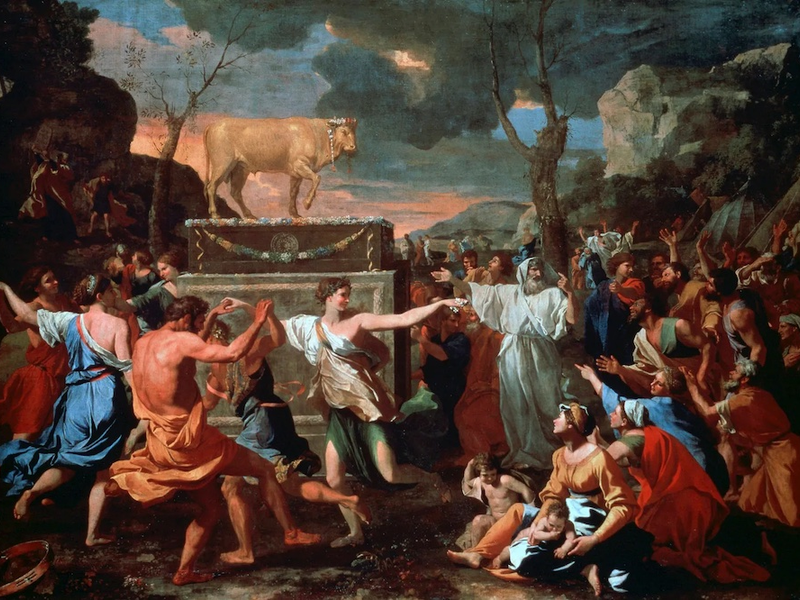
adoration-of-the-golden-calf-canvas-nicolas-1634-copy
Art

The Second Word IV: Implications

What About Catholics? (continued) Usually, such people are not seeking graven images, but rather their idolatry is of a broader character. They are seeking a home on earth. Scott Hahn’s book is called Rome Sweet Home . This is the essential sin, for there is no home on earth. The…

by James B. JordanDecember 7, 1994

screen-shot-2022-08-04-at-9-36-57-am
Biblical Studies

The Gospel and the Virtues

Reading the earliest Christian apologists is like watching a movie in which the hero has the means to demolish his opponents in his grasp but never realizes it. The apologists come across as men not altogether aware of the radical character of the gospel they defend. In response to charges…

by Peter LeithartNovember 23, 1994
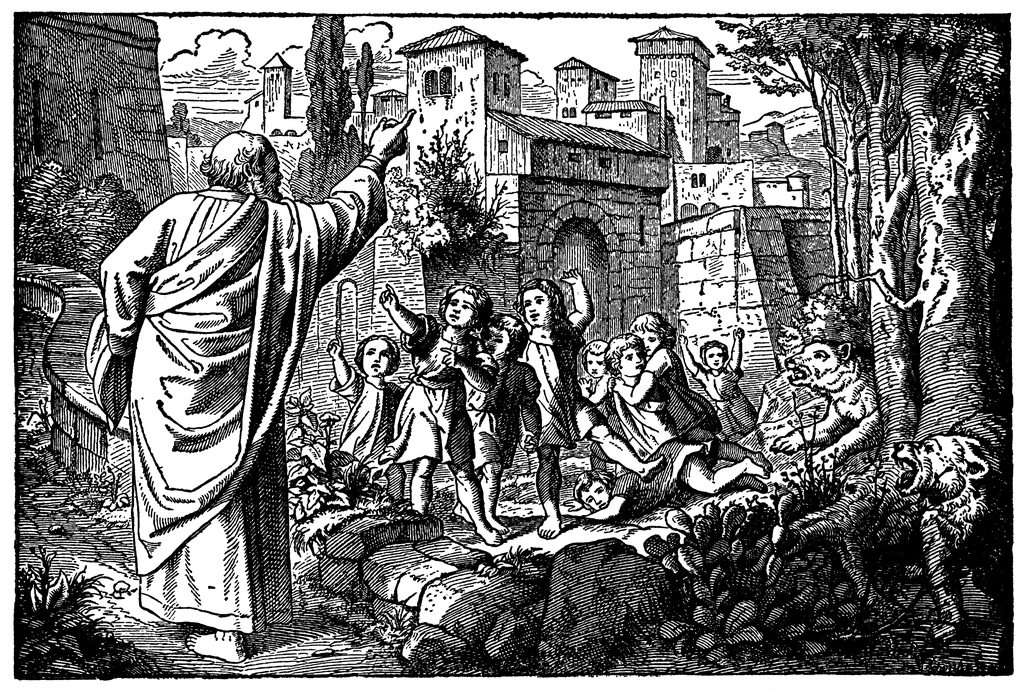
elisah-curses-boys
Biblical Studies

Suffer the Little Children

Then [Elisha] went up from there to Bethel; and as he was going up by the way, ne`arim came out from the city and mocked him and said to him, "Go up, you baldhead; go up, you baldhead!" When he looked behind him and saw them, he cursed them in…

by Peter LeithartNovember 23, 1994
annunciation-2
Biblical Chronology

Genesis 5 & 11: Chronological-Theological Reflections (Part 2)

Further Numerical Items of Interest Umberto Cassuto points out some other numerical factors in Genesis 5. 1 For one thing, he observes that every number in Genesis 5 is a multiple of 5, sometimes with the addition of 7. We have, in essence, made this point already. He also points…

by James B. JordanNovember 7, 1994
Biblical Horizons

The Second Word III: Exposition; Implications

Prostration God has designed the human body in a marvelous way, and Biblical religion is very physical. We believe in the resurrection of the body, against all pagan ideas of the immortality of the soul. We bury our bodies, not burning them. Human beings in their totality, including our bodies,…

by James B. JordanOctober 7, 1994
kiwihug-l4gw27xzn1i-unsplash
Revelation

The Last Eight Visions of Revelation

Since Revelation is laid out in serieses of sevens, it is worth investigating to see if there is a series of seven after the seven libation-bowls of chapter 16. I believe there is, and it is the burden of this essay to expose it. The series of sevens, or heptamerous…

by James B. JordanOctober 7, 1994

Showing page 275 of 309

See all
See all

Tale of Two Women

In Numbers 12, Miriam and Aaron object to Moses’ Cushite wife. Miriam becomes leprous, is excluded from the camp, and restored on the eighth day. That is to say: The Messiah’s Jewish sister objects to the Gentile bride, and is cast out of the camp, but then she is cleansed…

November 9, 2007

Sacrificial sequence

Hicks again: He organizes his discussion of the New Covenant fulfillment of the sacrificial system in the phrases “life surrendered,” “life transformed,” and “life shared.” Reconciliation is made on the basis of life surrendered, blood shed, but that’s not the end point of the reconciling sacrifice. This enables him to…

November 8, 2007

Burning flesh

FCN Hicks writes in his 1946 book on sacrifice that the burning of an animal on the altar was not destructive but transforming: “The offering is not destroyed but transformed, sublimated, etherealised, so that it can ascend in smoke to the heaven above, to the dwelling-place of God.” He cites…

November 8, 2007
Philosophy

Signs and domination

Only God, Augustine argues in his treatise on music, acts on rational souls directly, “per seipsum.” Human beings operate on one another’s souls through intervening bodies, that is, through the words and other signs. God has arranged the world this way, he says, as a check on human ambition and…

November 8, 2007

Signa data

Many translators and interpreters of Augustine’s de doctrina Christiana translate “signa data” as “conventional signs.” But there’s something to be said for taking the phrase literally (as some commentators do). The difference between naturalia and data, Augustine says, is that the latter occur by the will of a sign-user while…

November 7, 2007
History

Sixteenth-century exchanges

Shakespeare recognized that something new was in the offing, but the actual situation of England and Europe in the sixteenth and seventeenth centuries was far more complicated that Timon of Athens suggests. The gift-society to which Timon is attached was not being completely replaced, nor was the market the main…

November 7, 2007

Showing page 1609 of 2212

Browse by Category

In Medias Res

Your weekly digest for all things Theopolis.

Donate

Theopolis is nearly 100% donor-supported. Consider joining us on our mission.