Theopolis Logo

Writing

Explore our collection of theological essays, biblical studies, and reflections on faith and culture.

See all
aldous-huxley-smoking-circa-1946
Books

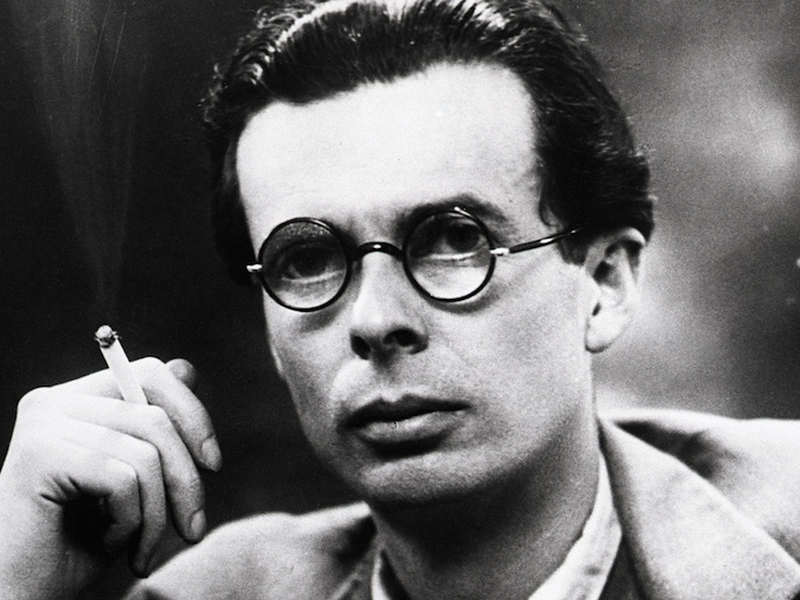
Dull New World

If utopia is a perfect place or at least the best possible social arrangement, it must be a very dull place where any change is a change for worse and not for better, where nothing can be new and good at the same time. There can be no conflict in…

by Bogumil JarmulakDecember 8, 2015
baptism-of-christ
Baptism

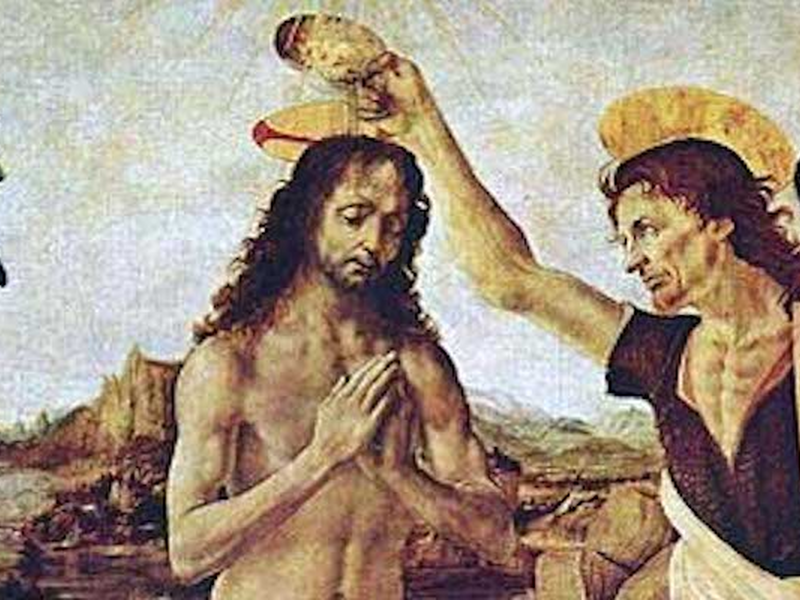
Sealed for Resurrection: Baptism and the Objectivity of the Body

Christians, even those who say much about ‘incarnational’ faith, can say surprisingly little about the way that God claims our bodies . Perhaps this is most striking in treatments of baptism, where the intensely bodily character of the rite would especially seem to invite comment. Even if the term ‘baptism’…

by Alastair RobertsDecember 3, 2015
children-unwanted
Abortion

Letters on Abortion, (Part 3)

Dear Pastor, I believe the locus of the difference between us is your statement here: "There are mothers who choose to risk their lives and even die to preserve the fetus, there are those who wouldn't. There are the circumstances of the individual, family, income, community, illness, risk factors, etc..…

by Richard BledsoeDecember 1, 2015
vitruvian-man
Body

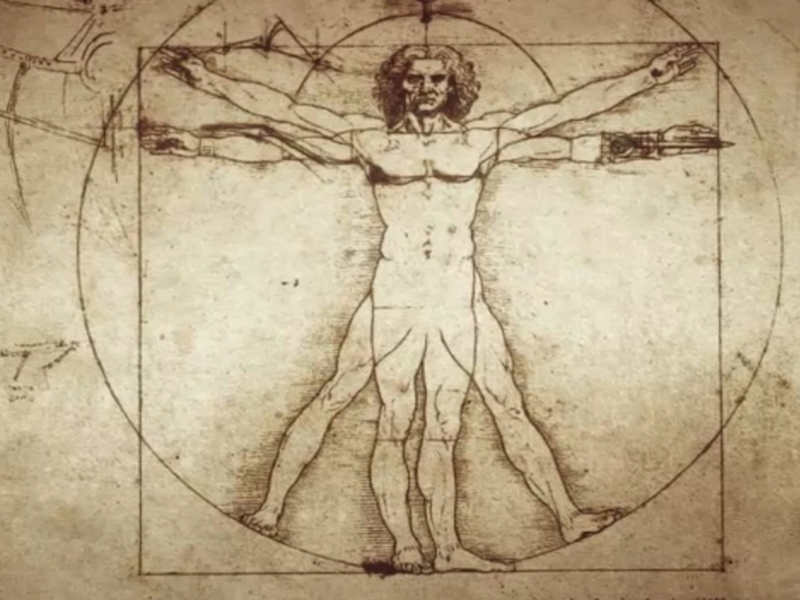
Cultivating the Body

New Year’s resolutions for weight loss are practically on the liturgical calendar of America. Somewhere around the beginning of a new year, people resolve that they will get in better shape. Some are made to feel guilty by the obesity police in our country (whose standards are, many times, very…

by Bill SmithNovember 25, 2015
pro-choice-rally
Abortion

Letters on Abortion, (Part 2)

Click HERE for Part 1 After sending my letter to the local pastors, I received a long and thoughtful post from one of the local pastors, and it was sent not just to me, but to all of the pastors whom I e-mailed. Unfortunately, I do not feel I can…

by Richard BledsoeNovember 24, 2015
trinity-1-2
Narrative

God Is Not A Story

Narrative and story have been all the rage in theology for the last few decades. The attractions are obvious. Narrative theologians favor the active, unpredictable, vibrant God of Scripture to the impersonal first principle of philosophical theology. Narrative theologians reject the notion that theologians need to justify their work by…

by Peter LeithartNovember 19, 2015

Showing page 140 of 309

See all
See all
Uncategorized

1 & 2 Kings

Uriah Y Kim reviews my Kings commentary in a recent issue of Reviews in Religion and Theology . He’s got some criticisms, but overall it’s a fair review. A couple of responses on specific points: 1) He thinks my contention that there is a “seventh-king” pattern is suspect; my counting…

October 22, 2007
History

Patronage

Richard Saller defines patronage by three features (summarized by Griffin): “(1) it involves the reciprocal exchange of goods and services; (2) that it is a personal relationship of some duration; (3) that it is asymmetrical, in the sense that the two parties are of unequal status and offer different kinds…

October 22, 2007

Gratitude in ancient thought

Griffin begins her essay: “The exchange of beneficia - gifts and services - was an important feature of Greek and Roman society at all periods. Its prominence was reflected in the number of philosophical works that analyzed the phenomenon. From the fourth century B.C. onwards, euergesia and charis became subjects…

October 22, 2007
History

Seneca and Roman Society

Miriam Griffin has a richly detailed discussion of Seneca’s de Beneficiis in a 2003 issue of The Journal of Roman Studies . The article discusses the appropriateness of “patronage system” as a description of Roman social relations, Seneca’s use of exaggeration for moral effect, the and similarities between Seneca and…

October 22, 2007
History

Pointy Greeks

Seneca found Chrysippus’s treatment of the Three Graces too subtle: He was a great man but “a Greek, whose intellect, too sharply pointed, is often bent and turned back upon itself; even when it seems to be in earnest it only pricks, but does not pierce.” Seneca himself found in…

October 22, 2007
Philosophy

Kant on Ingratitude

In his Lectures on Ethics, Kant says that ingratitude is among the vices that “are the essence of vileness and wickedness.” He adds, “It is inhuman to hate and persecute one from whom we have reaped a benefit, and if such conduct were the rule it would cause untold harm.…

October 22, 2007

Showing page 1617 of 2212

Browse by Category

In Medias Res

Your weekly digest for all things Theopolis.

Donate

Theopolis is nearly 100% donor-supported. Consider joining us on our mission.