Theopolis Logo

Writing

Explore our collection of theological essays, biblical studies, and reflections on faith and culture.

See all
isaiah-commission
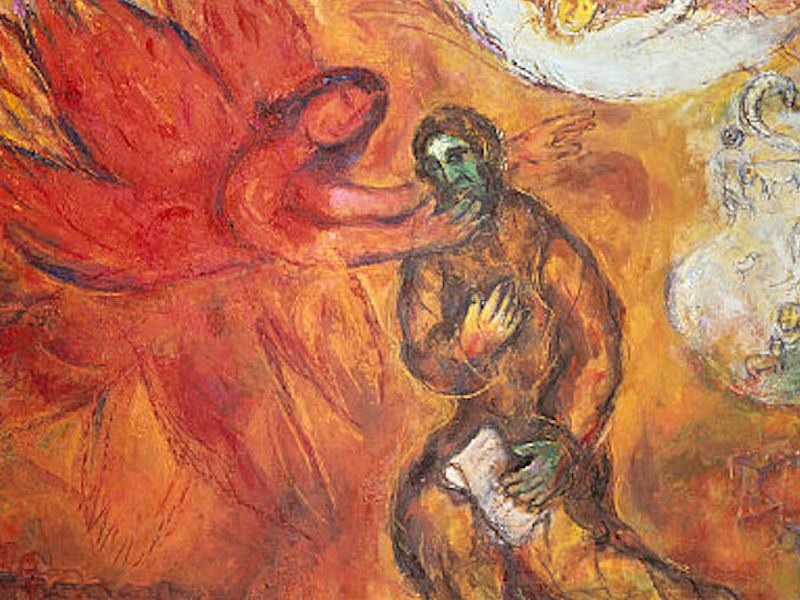
Isaiah

To An Unclean People

The book of Isaiah has a very brief introduction, one verse, and then plunges into a searing indictment of the people of Judah and Jerusalem. They are sons who do not honor their father, worse than donkeys and oxen who at least know their master. They are a bruised and…

by Peter LeithartSeptember 1, 2015

sixteen-miles-out-al48tflf4e8-unsplash
Biblical Studies

Apologia on Reading the Bible, (Part 3)

This is the third of a three-part essay. The Literary Reader As a conclusion to this essay, I want to make some observations that grow out of C. S. Lewis’s remarkable Experiment in Criticism , mentioned in an earlier installment. What Lewis is interested in doing is coming up with…

by James B. JordanAugust 27, 2015
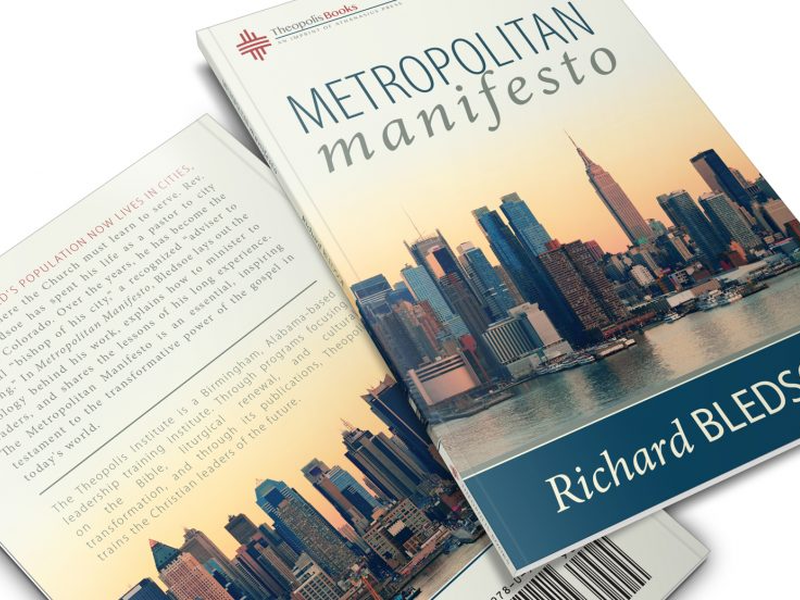
metropolitanmanifesto-3dfrontback-promo-3
Theopolis News

Metropolitan Manifesto: Available Now!

Metropolitan Manifesto, the new work from Theopolis fellow Richard Bledsoe, and first "Theopolis Books" release, is out today! Head over to the Athanasius Press website to get a copy. Half the world's population now lives in cities, and that is where the Church must learn to serve. Rev. Richard Bledsoe…

by Brian MoatsAugust 25, 2015
medievalilluminatedmanuscript
Biblical Studies

Apologia on Reading the Bible, (Part 2)

This is the second portion of a three-part essay. Learning to Read Learning to read the Bible is easier said than done, of course. There are several reasons for this, and they all have to do with the art of reading. Reading is an art and not a science, and…

by James B. JordanAugust 25, 2015
img_1069
Theopolis News

Mission to the City

“It instilled a real and abiding change in the way I understand my life as a disciple of Jesus Christ,” said Clint Hail, a Community Development Coordinator out of Dallas who attended Theopolis’ course on Mission to the City . “The course renovated the way I understand the challenges facing,…

by Brian MoatsAugust 21, 2015
hebrew-manuscript
Hermeneutics

Apologia on Reading the Bible, (Part 1)

What does it mean to read the Bible as inspired literature? The method is not new nor is it uncommon in Dutch Reformed circles. Exegesis must be Christocentric, plenary (all the text serves a theological purpose), respect the context in God’s redemptive plan, and plumb the full literary depth of…

by James B. JordanAugust 20, 2015

Showing page 145 of 309

See all
See all
Philosophy

Kantian sacrifice

Milbank’s criticisms of Kantian ethics begin from the observation that feeling enters into the ethical mix only as “the paradoxical feeling of ‘the sublime’ which is the feeling of a break with feeling, or the counter-attractive attraction of sacrifice.” This account of moral feeling, Milbank argues, arises from central themes…

September 6, 2007
Theology

Pagan West

My article on “re-paganizing the West” is up on the First Things web site: http://www.firstthings.com.

September 6, 2007
Theology

Solomon Among the Postmoderns

You’ll notice to the right that my book on postmodernism is due out early next year. In it, I use some of the images and categories of Ecclesiastes to explore some themes of postmodernism - specifically, language, the self, and politics.

September 6, 2007
Philosophy

Kant avec Oedipus and Hegel

In a web essay, Jean-Michel Rabaté traces the background to Lacan’s notorious coupling of Kant and Sade. One mediating figure is Freud. In an essay on the “economic problem of masochism,” Freud linked the Kantian categorical imperative with the cruel demands of the super-ego: “This super-ego is in fact just…

September 6, 2007
Philosophy

Allegory of salvation

Part 2 of Kant’s treatise on rational religion is a philosophical allegorization of traditional Christology and soteriology, which he pursues in an effort to explain the formation of a humanity pleasing to God. Some notes on this section: 1) Kant approves of the Stoic notion of virtue as manly courage…

September 6, 2007
Biblical Studies

Scripture and Philosophy

Kant admits that his philosophical interpretation of the fall is not “intended for Scriptural exegesis, which lies outside the boundaries of the competence of mere reason.” Putting the “historical account” to “moral use” leaves the issue of the writer’s intention, the text’s meaning, historicity to the side. But perhaps the…

September 5, 2007

Showing page 1634 of 2212

Browse by Category

In Medias Res

Your weekly digest for all things Theopolis.

Donate

Theopolis is nearly 100% donor-supported. Consider joining us on our mission.