Theopolis Logo

Writing

Explore our collection of theological essays, biblical studies, and reflections on faith and culture.

See all
e99a9334
Advent

Stretching Christmas

For many people Christmas comes on December 25 and is over December 26. The tree is taken down along with the lights and the other decorations, and everyone begins setting the house in order for the new year. No more Christmas hymns. No more celebrations (well, until New Year’s Eve).…

by Steve WilkinsDecember 24, 2016
ascension
Advent

Ascension and Incarnation

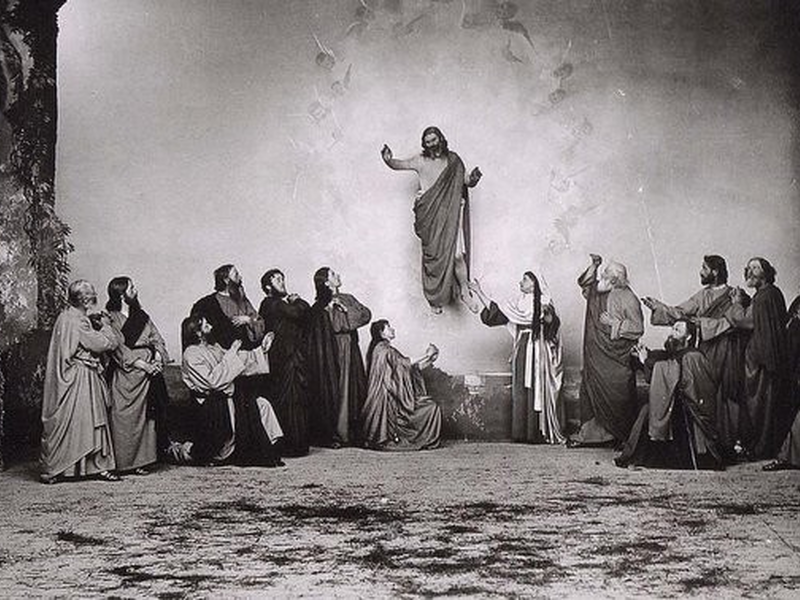
The Ascension and the Incarnation should not be disconnected in our Christmas thinking or celebrations. As N.T. Wright notes, the ascension is "a central and vital feature without which all sorts of other things start to go demonstrably wrong. . . . where the ascension has been ignored or misunderstood,…

by Roy AtwoodDecember 23, 2016
nativity-rembrandt
Advent

Christmas Light

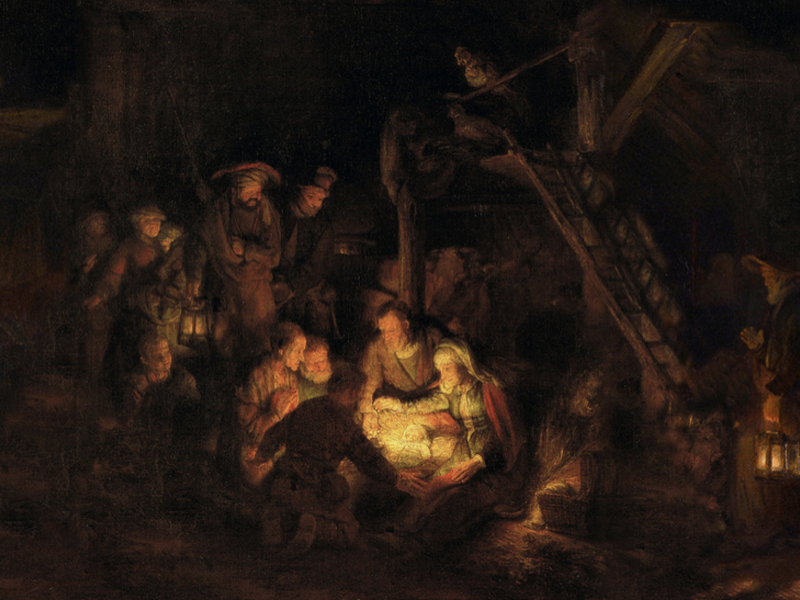
“In the Word was life, and the life was the light of men. And the light shines in the darkness.” Thus John describes the incarnation of the Son. He comes as the living and life-giving light of the world. That’s good news. In the beginning, God spoke and light shone…

by Peter LeithartDecember 23, 2016
nativity-chagall
Advent

The Spirit of Christmas

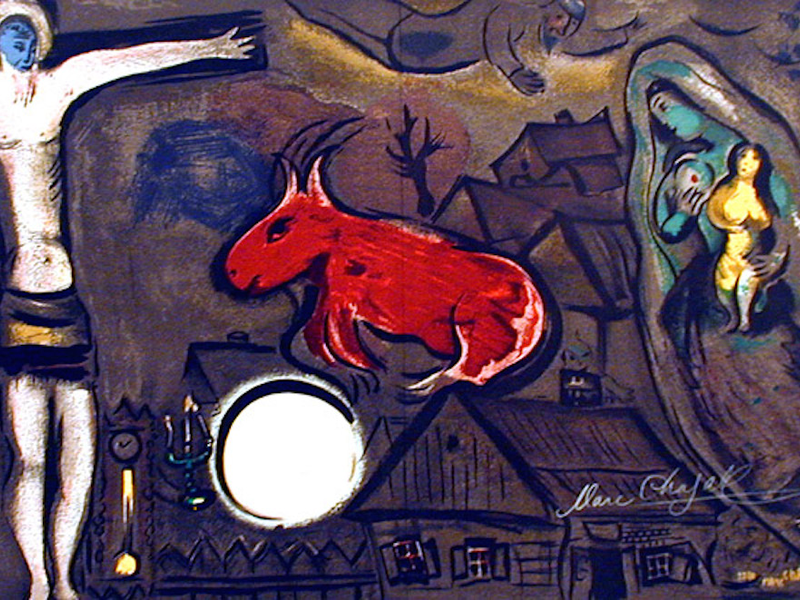
Christmas is all about Jesus. The angels announce Jesus’ birth, shepherds and wise men come to see Jesus, Herod wants to kill Jesus. We occasionally think of the Father who sent the Son, but we keep returning to the Son made flesh in Bethlehem’s manger. Meanwhile, as always, the Spirit…

by Peter LeithartDecember 22, 2016
nativity
Advent

The Humility of God

Christmas is about many things, but one of the chief things revealed in the gospel of Christmas is the humility of God. We don't often think of humility as an attribute of God. If God is glorious and exalted, we think, He must be haughty and proud and self-centered. We…

by Peter LeithartDecember 21, 2016
screenshot-2025-12-15-at-8-35-45-am
Advent

Advent of Unity

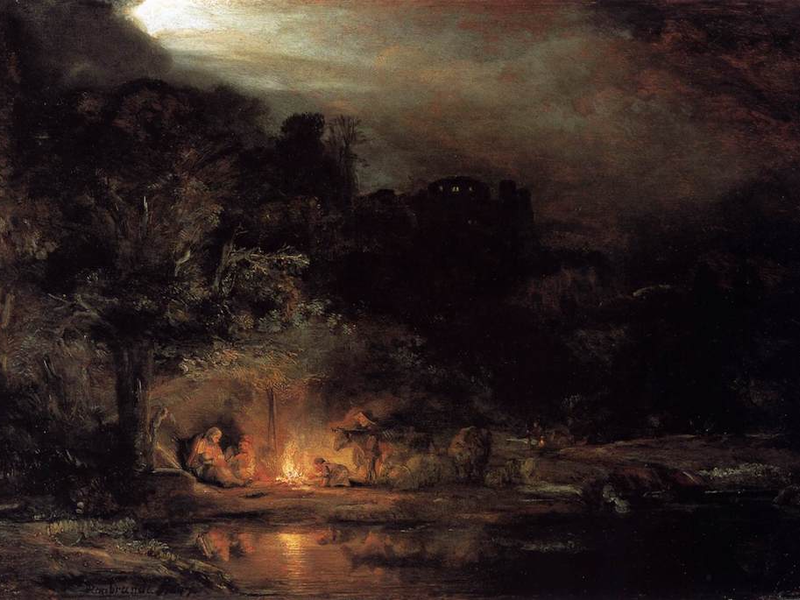
John famously begins his Gospel with a piece of theology: “In the beginning was the Word, and the Word was with God, and the Word was God.” Matthew starts with a genealogy. John celebrates Advent with a hymn, Matthew with a list. For John, Jesus is the Word of creation…

by Peter LeithartDecember 20, 2016

Showing page 120 of 309

See all
See all
History

Painting and landscape

Following the Treaty of Utrecht in 1713, young English noblemen began traveling the continent in what became known as the Grand Tour. Along the way, the came across Italian landscape painters, and went home dreaming of turning England into little Italy. Maggie Lane writes, “The desire was awakened to create…

August 17, 2007
History

Enclosure and landscape

Most of England’s enclosure acts were passed between 1760 and 1815, and the acts transformed the British landscape. Before enclosure, yeoman farmers lived in villages, and trudged each day to their scattered strips of land to work. Before enclosure, according to Maggie Lane, “one-third of the land enclosed in England…

August 17, 2007
Literature

Dickens, mythologist

Chesterton admits that Dickens’s characters neither affect nor are affected by time or circumstances. This is, he says, because Dickens was constructing myths rather than novels: “Dickens was a mythologist rather than a novelist; he was the last of the mythologists, and perhaps the greatest. He did not always manage…

August 17, 2007

Proverbs 19:5-9

PROVERBS 19:5, 9 In this, the Proverb reiterates the threats of the Torah, which warns against false witness and false oaths (Leviticus 19:12; Deuteronomy 17:6-7). These two verses are almost identical. Both begin with “A false witness will not go unpunished,” and in the second line both use the phrase…

August 17, 2007
History

From ascribed to attributed celebrity

Rojek again: He claims that the story of celebrity over the past two centuries has been a shift from ascribed (hereditary) to attributed celebrity. Though some achieved international fame in earlier times, “they were always under strong pressures to conform to the established procedures and conventions set by the Court.”…

August 17, 2007
History

Cool

In their book, Cool Rules , Dick Pountain and David Robins define cool as “a permanent state of private rebellion,” one which “conceals its rebellion behind an ironic impassivity.”

August 17, 2007

Showing page 1645 of 2212

Browse by Category

In Medias Res

Your weekly digest for all things Theopolis.

Donate

Theopolis is nearly 100% donor-supported. Consider joining us on our mission.