Theopolis Logo

Writing

Explore our collection of theological essays, biblical studies, and reflections on faith and culture.

See all
little-girl
Children

Honor God With Your Body

I am making a new rule in our house! We are actually kind of skimpy on the house rules. I try very hard to keep things simple: love God, love others, be joyful. It’s not complicated to avoid discipline here. But I have found myself repeating this new rule over…

by Lindsey TollefsonApril 9, 2015

giotto-noli-me-3
John

The Gardener and the Beloved, (Part 3)

Click HERE for Part 2 The voice of Jesus transforms and changes Mary when she hears him speak her name. This is her last “turning.” So also the woman in the Song of Songs longs to hear the voice of her beloved. Let me see your face, let me hear…

by Jeff MeyersApril 6, 2015
giotto-noli-me-2
John

The Gardener and the Beloved, (Part 2)

Click HERE for Part 1. The details of this story call the attentive reader back to the drama of Solomon’s Song of Songs. And the Song of Song’s alludes to, ties us into the story of Adam and Eve in the Garden and the promise of a coming Messiah that…

by Jeff MeyersApril 4, 2015
easter-term-2015-2
Theopolis News

Easter Term, 2015

“The course was a paradigm shift for me,” said Jonathan Sedlak, a Milwaukee electrical contractor who attended Theopolis’s course on Revelation. “I am left with a book that is far more practical than it has ever seemed before.” Jonathan Anderson of Louisville, Kentucky found the course “refreshing.” “I finished with…

by TheopolisApril 2, 2015
psalm-singing
Genesis

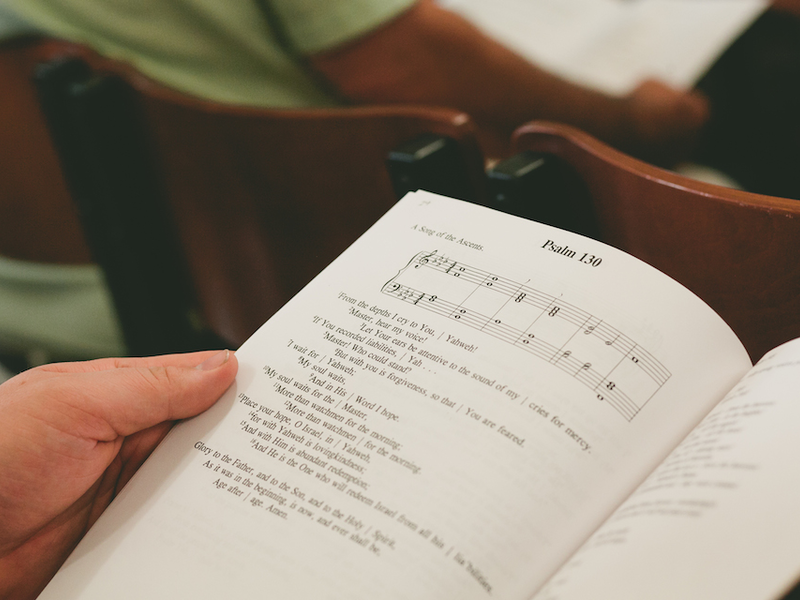
Worship as Response: Liturgical Logic, (Part 1)

“It is only by participation in a rational, practice-based community that one becomes rational.” – Alasdair MacIntyre It may be perfectly clear to a chef why adding unsifted powdered sugar to a hot frosting is a bad idea. But for an amateur cook, this may be the kind of rule…

by Jonathan BarlowApril 2, 2015
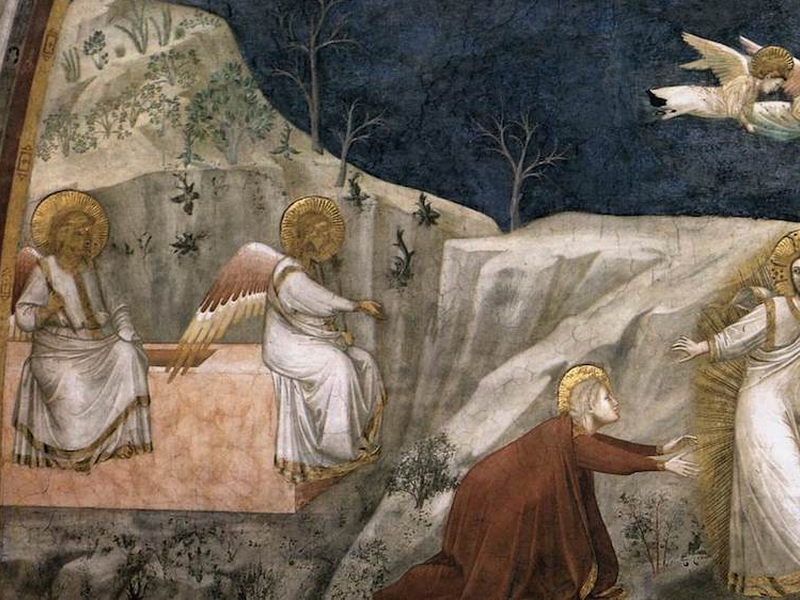
giotto-noli-me
John

The Gardener and the Beloved, (Part 1)

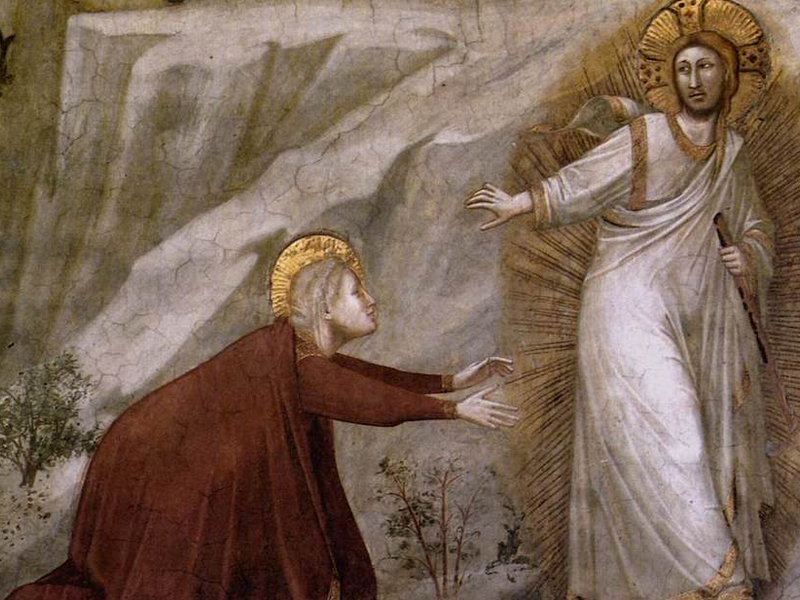
On a fresco in a chapel in Padua, Italy, there is a famous painting depicting the dramatic post-resurrection scene in John 20 with Mary and Jesus outside of the garden tomb. Giotto di Bondone painted it in the early 14th century. Jesus is striding from the tomb with a victor’s…

by Jeff MeyersApril 1, 2015

Showing page 156 of 309

See all
See all
History

Painting and landscape

Following the Treaty of Utrecht in 1713, young English noblemen began traveling the continent in what became known as the Grand Tour. Along the way, the came across Italian landscape painters, and went home dreaming of turning England into little Italy. Maggie Lane writes, “The desire was awakened to create…

August 17, 2007
History

Enclosure and landscape

Most of England’s enclosure acts were passed between 1760 and 1815, and the acts transformed the British landscape. Before enclosure, yeoman farmers lived in villages, and trudged each day to their scattered strips of land to work. Before enclosure, according to Maggie Lane, “one-third of the land enclosed in England…

August 17, 2007
Literature

Dickens, mythologist

Chesterton admits that Dickens’s characters neither affect nor are affected by time or circumstances. This is, he says, because Dickens was constructing myths rather than novels: “Dickens was a mythologist rather than a novelist; he was the last of the mythologists, and perhaps the greatest. He did not always manage…

August 17, 2007

Proverbs 19:5-9

PROVERBS 19:5, 9 In this, the Proverb reiterates the threats of the Torah, which warns against false witness and false oaths (Leviticus 19:12; Deuteronomy 17:6-7). These two verses are almost identical. Both begin with “A false witness will not go unpunished,” and in the second line both use the phrase…

August 17, 2007
History

From ascribed to attributed celebrity

Rojek again: He claims that the story of celebrity over the past two centuries has been a shift from ascribed (hereditary) to attributed celebrity. Though some achieved international fame in earlier times, “they were always under strong pressures to conform to the established procedures and conventions set by the Court.”…

August 17, 2007
History

Cool

In their book, Cool Rules , Dick Pountain and David Robins define cool as “a permanent state of private rebellion,” one which “conceals its rebellion behind an ironic impassivity.”

August 17, 2007

Showing page 1645 of 2212

Browse by Category

In Medias Res

Your weekly digest for all things Theopolis.

Donate

Theopolis is nearly 100% donor-supported. Consider joining us on our mission.