Theopolis Logo

Writing

Explore our collection of theological essays, biblical studies, and reflections on faith and culture.

See all
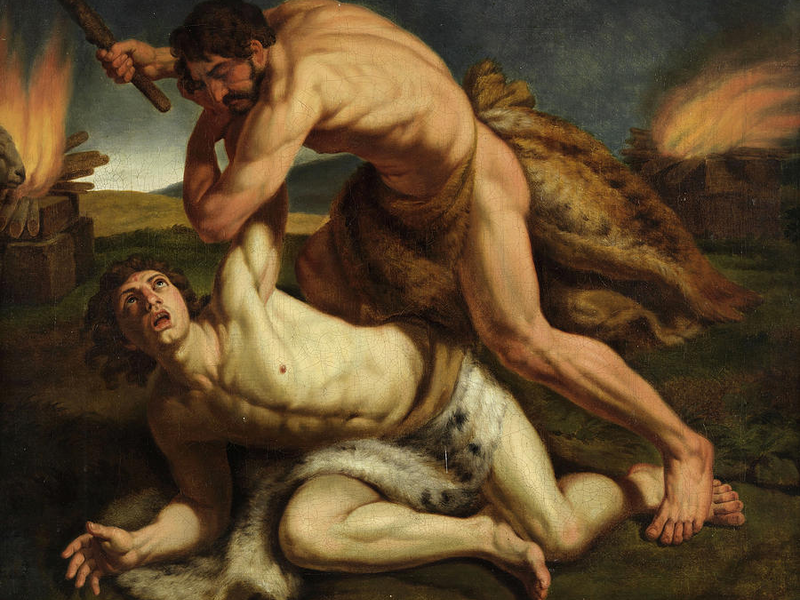
cain-killing-abel-unknown-19th-century
Biblical Theology

The Gospel of Genealogy

Genesis 3 ends on a decisive, and decisively negative, note. Yahweh “drove the man out” of the garden, and, in addition, “at the east of the garden of Eden He stationed the cherubim, and the flaming sword which turned every direction, to guard the way to the tree of life.”…

by Peter LeithartJuly 15, 2014

screen-shot-2017-08-16-at-11-40-48
Books

Catholic Novelist

When she died in 2005 at the age of 72, Anna Haycraft, the author who published under the name Alice Thomas Ellis, was a celebrated writer in Great Britain. While working at Duckworth Publishers(which her husband owned), she produced a dozen novels, a collection of short stories, a cookbook, volumes…

by Peter LeithartJuly 9, 2014
523501ldsdl
History

Postmodernism and Me

Some have suggested recently that my "project" is postmodern. To clarify my views on postmodernism, I'm re-posting something I wrote in 2005, with a few modifications. For a fuller discussion, you can check out my Solomon among the Postmoderns (Canon, 2008). First, it is helpful to distinguish, as many writers…

by Peter LeithartJuly 8, 2014
306571rgsdl
Ezekiel

Holy City

Calling Jerusalem the "holy city" comes so naturally to Christians that it comes as something of a surprise to realize how infrequently the phrase is used in Scripture. Not only is Jerusalem rarely called holy, but in the Old Testament this classification is found only in texts that refer to…

by Peter LeithartJuly 3, 2014
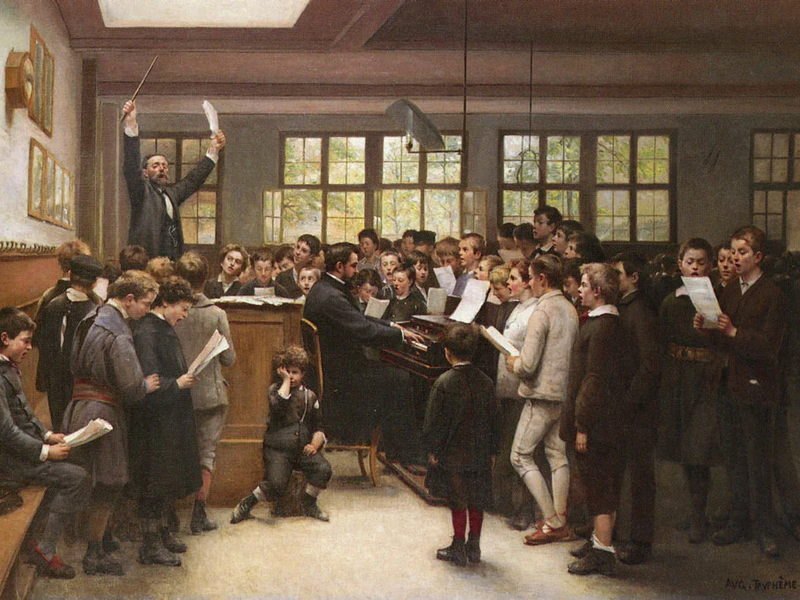
the-choir-lesson-auguste-joseph-trupheme-oil-painting
How to Worship

The Lame Can't Dance

Asking why the church doesn’t sing hymns or even why men don’t sing in church is a bit like lamenting over the lame man who can’t waltz on the dance floor. While it is a valid question, the more immediate question would seem to be, “why doesn’t the lame man…

by Jarrod RicheyJune 30, 2014
ben-white-w8qqn1pmqh0-unsplash
Heresy

Heretics in the Latter Days: The Theme of 1 Timothy

The theme of 1 Timothy is the distinction between the true children in the Household of God and false children who really belong to the household of Satan. This is seen in the fact that in the chiastic structure of the Epistle, heresy is the subject in the center (…

by Joseph NorrisJune 18, 2014

Showing page 172 of 309

See all
See all

Day of Midian

Isaiah 9 describes not only a dawn, but the dawn of victory. With the light comes a multiplication of the nation, a repopulation of the land, gladness like the gladness of harvest (v. 3). This gladness is the result of a deliverance, a new exodus that will deliver Israel from…

August 11, 2007

Dawn and darkness

Matthew says that Jesus’ residence in Capernaum fulfills the prophecy of Isaiah 9 about the dawning in the land of Zebulun and Naphtali. There are several aspects to this. 1) Isaiah 9 comes at the end of a prophecy concerning the Aramean crisis in Judah. Rezin of Aram and Pekah…

August 11, 2007

Promise of Zebulun

It’s no wonder that the land of Zebulun and Naphtali, the region of Galilee, was considered a place of darkness. Towns had been sold to the Gentile Hiram, and apparently pronounced worthless (1 Kings 9). This region was the first to go into exile (2 Kings 15:29), and the Assyrians…

August 11, 2007
Literature

Austen the Romantic?

Though Austen lived almost two decades into the nineteenth century, she is usually characterized as a writer of the eighteenth. Her aesthetic and tastes were set in stone by 1800 (when she was 25), and she was untouched by romanticism. Indeed, she is often read as an anti-Romantic writer. The…

August 11, 2007
Literature

Austen the Abolitionist?

Gabrielle White offers an abolitionist reading of Austen’s work, and of Emma specifically. Part of the evidence is circumstantial. Some of Austen’s best-loved writers favored not only the abolition of the slave trade (which happened in 1807) but also the abolition of chattel slavery in British colonies (which didn’t happen…

August 11, 2007

Darcy and Elizabeth

Ellen Belton points out that in the 1995 BBC production of Pride and Prejudice , “Elizabeth and Darcy (Colin Firth) are hardly ever frames together until well into the second half of the film, and when they are shown in the same shot, the effect is to emphasize the obstacles…

August 11, 2007

Showing page 1649 of 2212

Browse by Category

In Medias Res

Your weekly digest for all things Theopolis.

Donate

Theopolis is nearly 100% donor-supported. Consider joining us on our mission.