Theopolis Logo

Writing

Explore our collection of theological essays, biblical studies, and reflections on faith and culture.

See all
little-girl
Children

Honor God With Your Body

I am making a new rule in our house! We are actually kind of skimpy on the house rules. I try very hard to keep things simple: love God, love others, be joyful. It’s not complicated to avoid discipline here. But I have found myself repeating this new rule over…

by Lindsey TollefsonApril 9, 2015

giotto-noli-me-3
John

The Gardener and the Beloved, (Part 3)

Click HERE for Part 2 The voice of Jesus transforms and changes Mary when she hears him speak her name. This is her last “turning.” So also the woman in the Song of Songs longs to hear the voice of her beloved. Let me see your face, let me hear…

by Jeff MeyersApril 6, 2015
giotto-noli-me-2
John

The Gardener and the Beloved, (Part 2)

Click HERE for Part 1. The details of this story call the attentive reader back to the drama of Solomon’s Song of Songs. And the Song of Song’s alludes to, ties us into the story of Adam and Eve in the Garden and the promise of a coming Messiah that…

by Jeff MeyersApril 4, 2015
easter-term-2015-2
Theopolis News

Easter Term, 2015

“The course was a paradigm shift for me,” said Jonathan Sedlak, a Milwaukee electrical contractor who attended Theopolis’s course on Revelation. “I am left with a book that is far more practical than it has ever seemed before.” Jonathan Anderson of Louisville, Kentucky found the course “refreshing.” “I finished with…

by TheopolisApril 2, 2015
psalm-singing
Genesis

Worship as Response: Liturgical Logic, (Part 1)

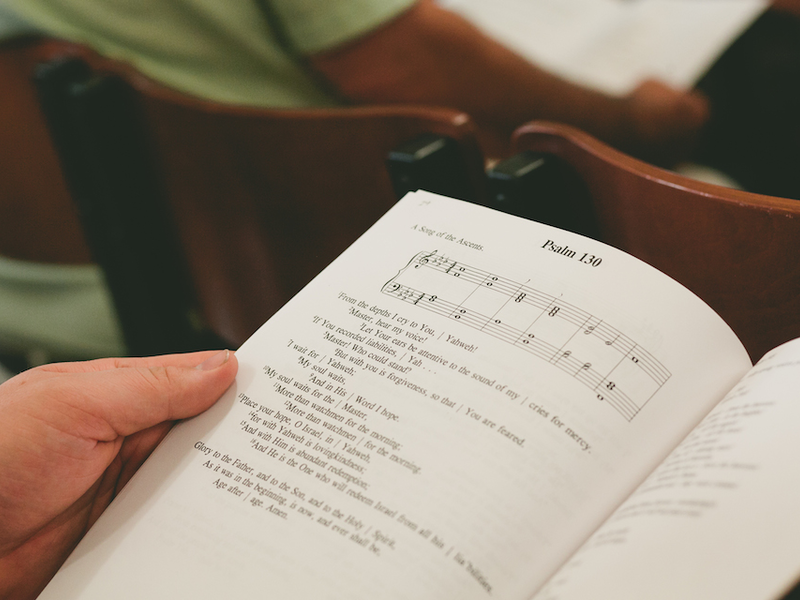
“It is only by participation in a rational, practice-based community that one becomes rational.” – Alasdair MacIntyre It may be perfectly clear to a chef why adding unsifted powdered sugar to a hot frosting is a bad idea. But for an amateur cook, this may be the kind of rule…

by Jonathan BarlowApril 2, 2015
giotto-noli-me
John

The Gardener and the Beloved, (Part 1)

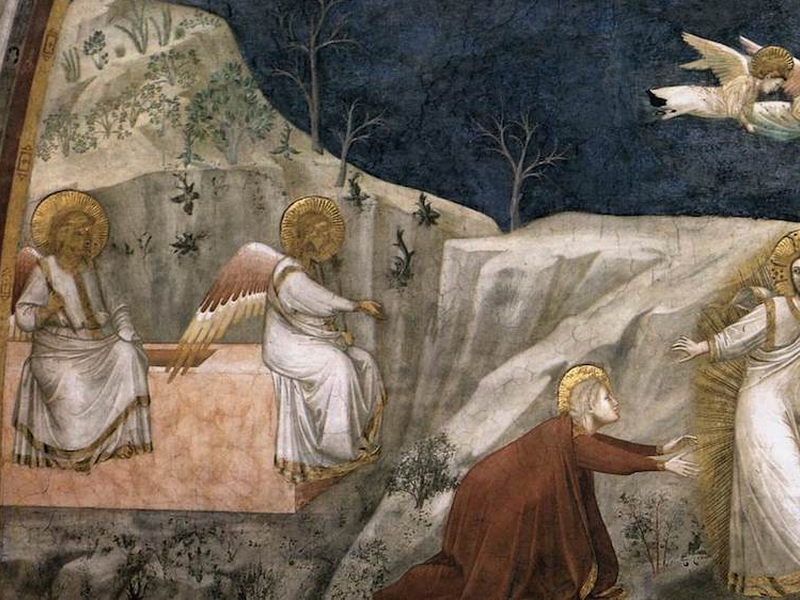
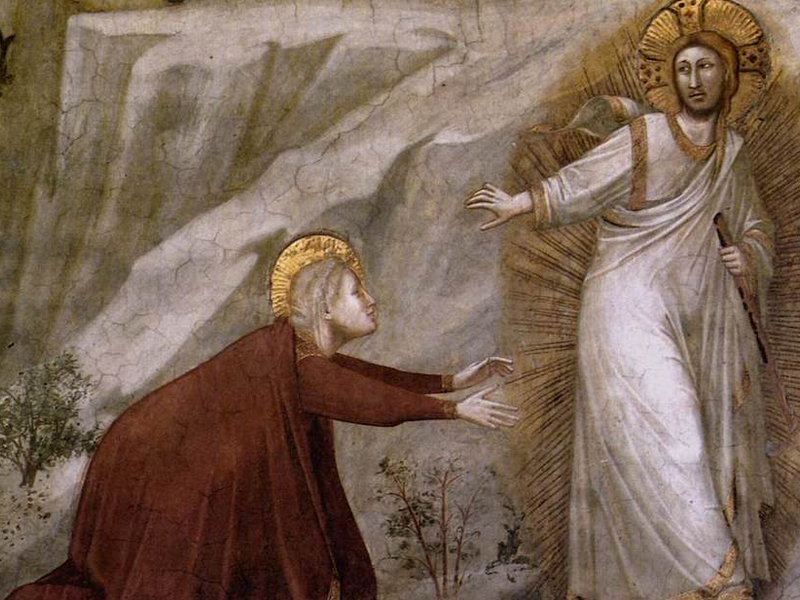
On a fresco in a chapel in Padua, Italy, there is a famous painting depicting the dramatic post-resurrection scene in John 20 with Mary and Jesus outside of the garden tomb. Giotto di Bondone painted it in the early 14th century. Jesus is striding from the tomb with a victor’s…

by Jeff MeyersApril 1, 2015

Showing page 156 of 309

See all
See all

Radical Penance

According to the Muslim commentator Ibn Abbas, “after the fall, Adam and Eve fasted for forty days and Adam abstained from having sex with Eve for a hundred years.”

July 13, 2007
History

Longing for myth

George Williamson argues in Longing for Myth in Germany (Chicago, 2004) that the search for a “new mythology” developed from “the postrevolutionary experience of historical rupture and religious crisis.” Nationalist writers gave a particular spin to this by calling for a “German mythology.” Originally, in the early German romantics, the…

July 13, 2007
Philosophy

Fruhromantik and postmodernism

It is widely argued today that the early German romantic movement anticipates postmodernism; the early romantics were postmoderns before their time. Frederick Beiser differs, and notes three critical differences between German romanticism and the mainstream of postmodern philosophy. First, the early romantics were Platonists “in their belief in a single…

July 13, 2007
Philosophy

Germans Against Descartes

German idealism is often seen as the completion of the subjectivization of knowledge and reality begun by Descartes. Not so, says Frederick Beiser in his massive 2002 history of German idealism (Harvard): “In fundamental respects it is more accurate to say the exact opposite: that the development of German idealism…

July 13, 2007
Philosophy

Amo, ergo sum

Jean-Luc Marion challenges the Cartesian cogito by stressing the primacy of the erotic. According to Descartes’s formula ( Ego sum res cogitans ), “it follows by omission that I am no longer supposed to love, nor to hate; or better: I am of such a sort that I have neither…

July 12, 2007
Theology

Reasonable Christianity

Barth argues that 18th-century rational theology was rooted in prior commitments to peaceable citizenship and morality. The dynamic goes something like this: Christianity is interpreted pragmatically - it’s about the transformation of human life; but it doesn’t work - human life isn’t transformed; there must therefore be something wrong with…

July 12, 2007

Showing page 1656 of 2212

Browse by Category

In Medias Res

Your weekly digest for all things Theopolis.

Donate

Theopolis is nearly 100% donor-supported. Consider joining us on our mission.