Theopolis Logo

Writing

Explore our collection of theological essays, biblical studies, and reflections on faith and culture.

See all
trnava-university-beeyeib-am8-unsplash
Biblical Chronology

Meredith G. Kline Strikes Back, Part 2

In our first essay we looked at Kline’s flawed exegesis of Genesis 2:5 as it relates to Day 3 of creation. Now we turn to Kline’s new argument against a chronological reading of Genesis 1, as found, again, in "Space and Time in the Genesis Cosmogony," Perspectives on Science and…

by James B. JordanMarch 29, 1997
30211-bathsheba-800w-tn
Hermeneutics

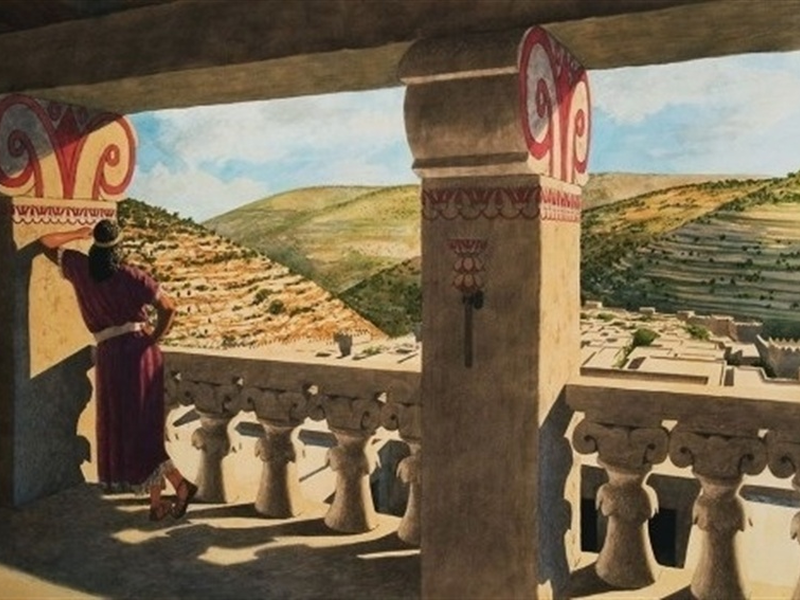
Bathsheba: The Real Story

One of the advantages of paying very close attention to the details in the Bible, especially chronological and genealogical details, is that they can shed light on situations that don’t seem to make much sense apart from them. One such situation is that of Bathsheba. It appears that Bathsheba willingly…

by James B. JordanMarch 28, 1997
jonathan-cooper-ygxq7hfdjzq-unsplash
Church Calendar

Is the Church Year Biblical? | A Parking Lot Parable

Once upon a time, Jeff Meyers and Tony Rollins–old friends who had not seen each other for a few years–met in the parking lot of a neighborhood church. They were dropping off their pre-school children at the church for Mother’s Day Out. They were such conscientious and helpful fathers. As…

by Jeff MeyersMarch 20, 1997
annie-spratt-upxf6to3fea-unsplash
Daniel

The Allegory of Susanna

Years ago, when I was at the briefly-existing Geneva Divinity School, I taught a course in the Apocrypha. One thing that struck me at that time is that two of the stories are almost certainly religious allegories (as well as moral tales): Judith and Susanna. Since "Susanna" means "Lily," this…

by James B. JordanFebruary 28, 1997
serafima-lazarenko-_ivuwprfczi-unsplash
Biblical Horizons

A Blossom of Yahweh’s Field

Peter’s essay inspires me to write up some similar thoughts about the flower of the field. Rightly does Peter associate the almond with Yahweh’s garden, because the Garden of Eden is symbolically positioned as parallel to the Holy Place of the Tabernacle and Temple. To wit: Since Aaron’s rod blossomed…

by James B. JordanFebruary 28, 1997
trnava-university-beeyeib-am8-unsplash
Biblical Chronology

Meredith G. Kline Strikes Back, Part 1

We have had occasion to discuss the views of Meredith G. Kline previously in these newsletters, and now it is time to do so again. Kline teaches at Gordon-Conwell Theological Seminary and also at the Westminster Theological Seminaries (Philadelphia and San Diego). He is the author of some interesting insights…

by James B. JordanFebruary 28, 1997

Showing page 259 of 309

See all
See all

Radical Penance

According to the Muslim commentator Ibn Abbas, “after the fall, Adam and Eve fasted for forty days and Adam abstained from having sex with Eve for a hundred years.”

July 13, 2007
History

Longing for myth

George Williamson argues in Longing for Myth in Germany (Chicago, 2004) that the search for a “new mythology” developed from “the postrevolutionary experience of historical rupture and religious crisis.” Nationalist writers gave a particular spin to this by calling for a “German mythology.” Originally, in the early German romantics, the…

July 13, 2007
Philosophy

Fruhromantik and postmodernism

It is widely argued today that the early German romantic movement anticipates postmodernism; the early romantics were postmoderns before their time. Frederick Beiser differs, and notes three critical differences between German romanticism and the mainstream of postmodern philosophy. First, the early romantics were Platonists “in their belief in a single…

July 13, 2007
Philosophy

Germans Against Descartes

German idealism is often seen as the completion of the subjectivization of knowledge and reality begun by Descartes. Not so, says Frederick Beiser in his massive 2002 history of German idealism (Harvard): “In fundamental respects it is more accurate to say the exact opposite: that the development of German idealism…

July 13, 2007
Philosophy

Amo, ergo sum

Jean-Luc Marion challenges the Cartesian cogito by stressing the primacy of the erotic. According to Descartes’s formula ( Ego sum res cogitans ), “it follows by omission that I am no longer supposed to love, nor to hate; or better: I am of such a sort that I have neither…

July 12, 2007
Theology

Reasonable Christianity

Barth argues that 18th-century rational theology was rooted in prior commitments to peaceable citizenship and morality. The dynamic goes something like this: Christianity is interpreted pragmatically - it’s about the transformation of human life; but it doesn’t work - human life isn’t transformed; there must therefore be something wrong with…

July 12, 2007

Showing page 1656 of 2212

Browse by Category

In Medias Res

Your weekly digest for all things Theopolis.

Donate

Theopolis is nearly 100% donor-supported. Consider joining us on our mission.