Theopolis Logo

Writing

Explore our collection of theological essays, biblical studies, and reflections on faith and culture.

See all
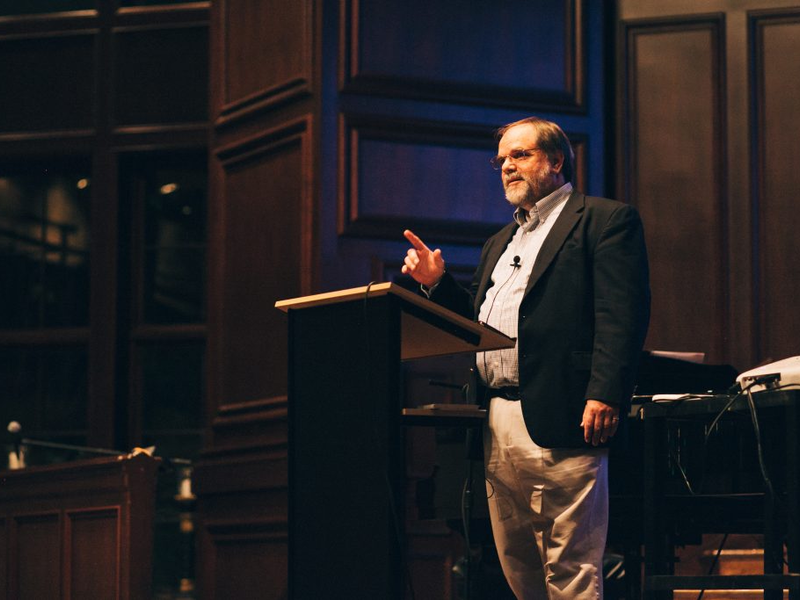
img_5862
Culture

Birmingham Life and Culture Series

There’s something about joy that is infectious. And occasionally, we all have the opportunity to be in someone’s presence who is so happily engaged in their work, so joyous in their pursuits, that we want to learn from them. We want to know where that joy comes from and attain…

by Brian MoatsOctober 23, 2015
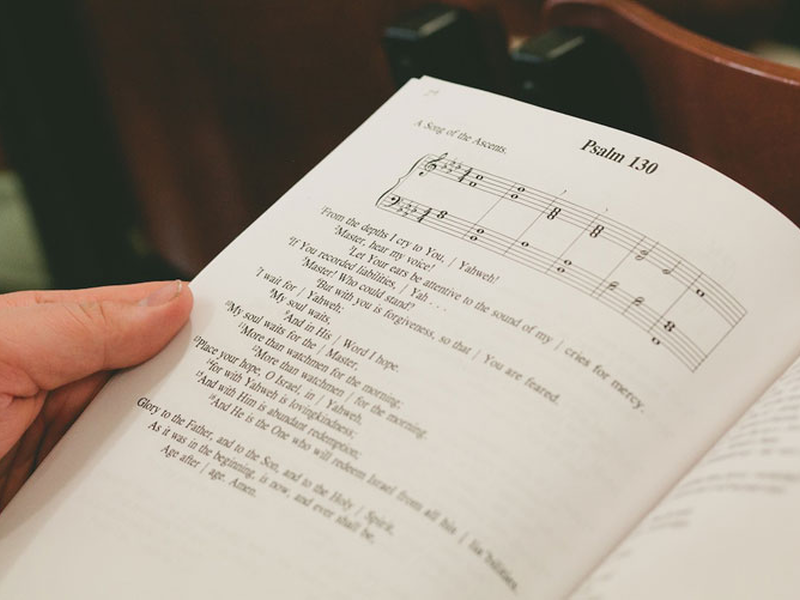
img_6077
How to Worship

How To Change the World, (Part 1)

Jesus has told us that He intends all nations to be discipled. Nations. Not just individuals. All nations as theocracies. That being the case, the Church exists for the life of the world. Being baptized is not only a matter of becoming part of a new family, it is also…

by James B. JordanOctober 22, 2015
branagh-macbeth
Literature

Adam, Saul, Macbeth

Harold Bloom’s essay on Macbeth includes the kind of penetrating insights that make Bloom the great Shakespearean scholar that he is, but it also includes his typical and intense anti-Christian bias. “If Lear was pre-Christian, then Macbeth is weirdly post-Christian. There are, as we have seen, Christian intimations that haunt…

by Ralph Allan SmithOctober 20, 2015
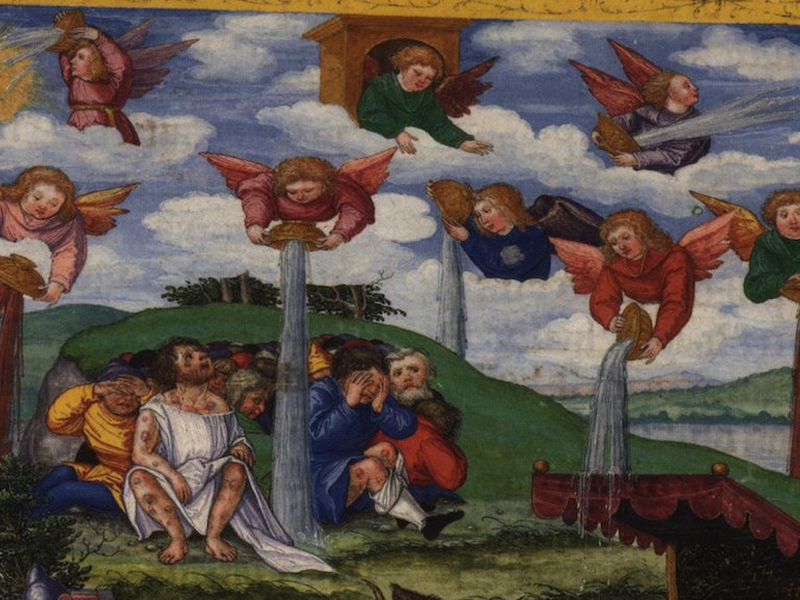
bowls
Revelation

Inverted Atonement

Revelation 16 is a day of atonement text. The tabernacle of the testimony has been opened (15:5). The angels who receive the bowls are clothed in linen (15:6), the clothing of the high priest when he goes into the sanctuary on the day of atonement (Leviticus 16:4). The temple is…

by Peter LeithartOctober 15, 2015
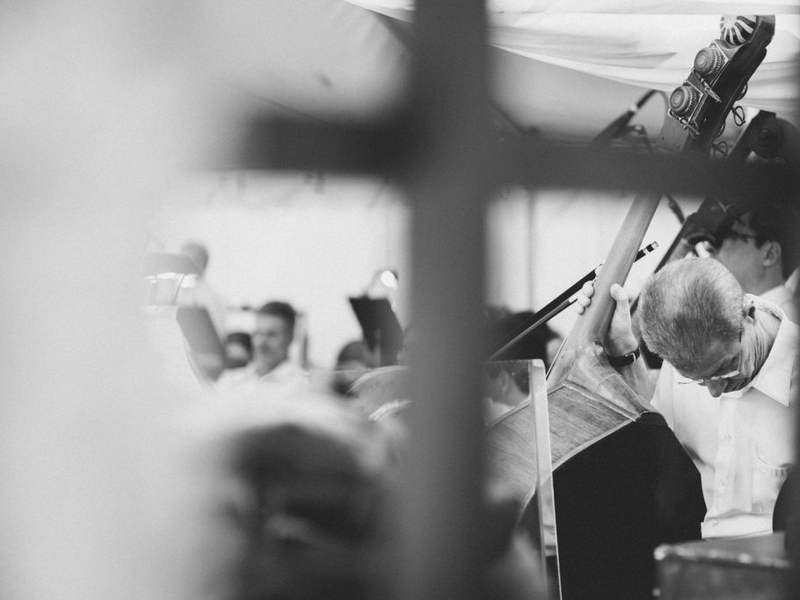
img_9025
Biblical Studies

Music and Hermeneutics

From time to time, when I’ve lectured on how to read the Bible, I’ve used art-music as one example thereof. When we listen to a simple folk song, we hear the same melody over and over again, but this is not how composers write "high" music. Let me amplify. A…

by James B. JordanOctober 13, 2015
schlanger_jonah_prison_090913_620px
Biblical Studies

In the Fish: The Church as Tomb

"For just as Jonah was three days and three nights in the belly of the sea-monster, so will the Son of Man be three days and three nights in the heart of the earth" (Matthew 12:40). Some reflections on Jonah’s Big Fish have led to the following essay. Let me…

by James B. JordanOctober 8, 2015

Showing page 142 of 309

See all
See all
Theology

Practical preaching

In his history of Protestant theology in the 19th century, Barth lists some of the sermon topics of one Traugott Gunther Roller of Schonfels in Kur-Saxony: Fourth Sunday after Epiphany: The Duties of a Christian Congregation saved from the Grave Risk of Fire. Easter: Reasonable Rules for the Christian Burial…

July 12, 2007
Theology

Whose questions?

Bediako neatly describes the dualism that results when the church attempts to apply the questions and answers of European or American Christianity to Africa without addressing the questions of Africans themselves. He quotes John Taylor’s pointed question: “if Christ were to appear as the answer to the questions that Africans…

July 11, 2007
Theology

Against Theology

Bediako criticizes other African theologians who claim that there is no African theological tradition. There is, he admits, not much if we’re looking for school theology. But focusing on that lack misses the real action - the “grassroots” theology expressed in songs, worship, sermons, personal evangelism, etc. And this is…

July 11, 2007

Christos kurios

One of Afua Kuma’s hymns to Jesus describes Him as an arriving hero: “Children rush to meet Him crowds of young people rush about to make Him welcome. Chief of young women: they have strung a necklace of gold nuggets and beads and hung it around Your neck so we…

July 11, 2007

Jesus of the Deep Forest

In the songs and praises of the illiterate Ghanian Christian, Christina Afua Gyan (or Afua Kuma), Jesus is described as a powerful Protector in a world teeming with dangers. “Should the devil himself become a lion and chase us as his prey, we shall have no fear Lamb of God!…

July 11, 2007
Theology

Good/evil or finite/infinite

What Milbank describes as “postmodern Kantianism” (in Zizek, Nancy, and others) wants to take evil seriously, which means “positively.” They do not think Augustine’s theory adequately accounts for modern evil, complaining that the Augustinian account’s weakness left Europe open to the possibility of radical evil. Milbank suggests on the contrary…

July 11, 2007

Showing page 1657 of 2212

Browse by Category

In Medias Res

Your weekly digest for all things Theopolis.

Donate

Theopolis is nearly 100% donor-supported. Consider joining us on our mission.