Theopolis Logo

Writing

Explore our collection of theological essays, biblical studies, and reflections on faith and culture.

See all
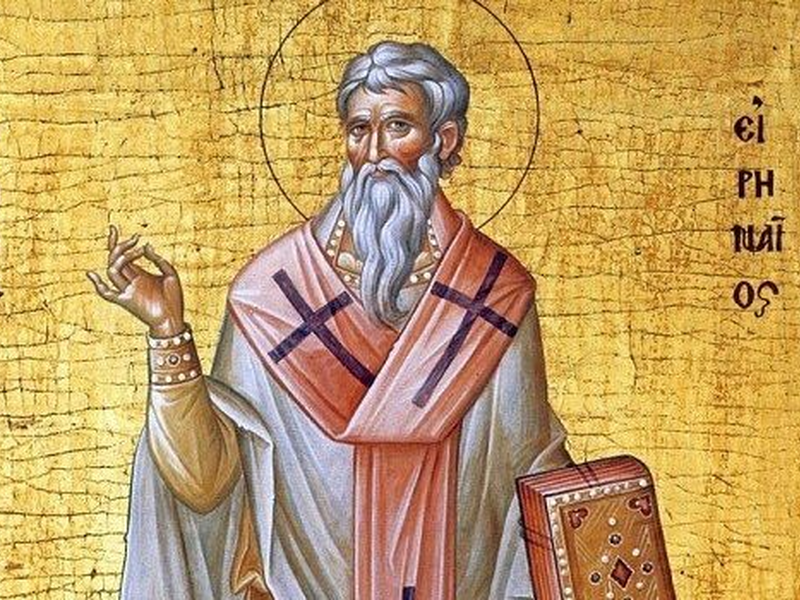
irenaeus-of-lyons-620x350
Anthropology

What Irenaeus’ Christology Teaches Us about the Goodness of our Bodies

The Christian tradition has always had an uneasy relationship with the materiality of creation. Dirt, liquid, sex, blood, and bodies—the world and the flesh stand in company with the Devil as two of the three great enemies of the saints. Mundus, caro, et diabolus , as the old Latin saying…

by Gerald HiestandSeptember 13, 2018

masada-aerial-crop
Biblical Studies

The Second Death in Liturgy and History

Since the destruction of Jerusalem was an event of earth-shattering covenantal significance, what might be the meaning of the subsequent tragic events at the desert fortress of Masada? In Hebrew, the name Masada means “strong foundation or support,” from a root meaning “to hunt, lie in wait for prey.” Located…

by Mike BullSeptember 11, 2018
pray-442560_1920
How to Worship

Cross My Heart

Take a long look at the photo above. To whom is this woman praying? It is hard to tell, isn’t it? Suppose we watch her for a while. We may see her bow low to the floor. Her lips may move, though perhaps it is too low for us to…

by Christopher KouSeptember 6, 2018
img_7664
Biblical Theology

The Problem of Psalm 137

Psalm 137 is widely regarded as one of the meanest of the imprecatory psalms. Certainly as we read it it is seems to be a song of pure vengeance. The exiles in Babylon, in grief over the judgment that Babylon has brought upon them, pray for the destruction of that…

by James B. JordanSeptember 4, 2018
covenant-epistemology
Course Recap

A Week with Esther Meek: Course Recap

Forty men and women came from all over the United States to attend the 2018 Trinity Term course at Theopolis. Pastors, students, teachers, an electrician, a city planner, and others from a variety of denominations spent five days at Beeson Divinity School studying covenant epistemology under the tutelage of philosopher…

by TheopolisAugust 31, 2018
last-supper
Matthew

Galilee of the Gentiles

Matthew records that Jesus "withdrew" to Galilee to begin His public ministry there after He "heard that John had been delivered up" (Mt. 4:12). Matthew’s typically matter-of-fact style veils the truly remarkable character of Jesus’ withdrawal. Matthew has been presenting Jesus as the Messiah, the Seed of Abraham and Son…

by Peter LeithartAugust 31, 2018

Showing page 88 of 309

See all
See all
History

Suffering Messiah

In 1665, one Sabbatai Tsevi of Smyrna announced himself to the world as a Kabbalistic messiah who would bring in the final restoration ( tiqqun ). Yet, a year later, under a threat of execution from the sultan of Turkey, Tsevi converted to Islam. Instead of giving up their support…

July 2, 2007

Irving Berlin

In his Operation Shylock , Philip Roth’s double, Moishe Pipik (Yiddish for “Moses Bellybutton”), advocates a reverse Zionism known as Diasporism. He is encouraging Jews to return to Eastern Europe, and imagines that “People will be jubilant. People will be in tears. They will be shouting, ‘Our Jews are back!…

July 2, 2007

Totality Transfer and Systematics

Some decades ago, James Barr criticized biblical scholars for a fallacy he labeled “illegitimate totality transfer.” By this phrase, Barr was referring to the habit of some biblical scholars to pack every possible meaning of a word into every context. Lane Keister’s ongoing critique of my work on justification charges…

June 29, 2007

Sacrifice

Christian worship is God’s service to us. Yet, Christian worship is sacrificial, and sacrifice appears to be a human act reaching toward God. That’s certainly how Luther understood the sacrifice of the Mass. How to resolve? Teresa Okure, Professor of New Testament and Gender Hermeneutics (!) at the Catholic Institute…

June 29, 2007
Philosophy

ERH

An essay of mine on Eugen Rosenstock-Huessy is currently available on the First Things web site, here: http://www.firstthings.com/web-exclusives/?p=786.

June 28, 2007

Good news

The NT uses the Greek word aggelia twice, both in 1 John (1:5; 3:11). The noun comes from the same root as euaggelion , good news, and Raymond Brown suggests that aggelia is the Johannine equivalent - meaning “good news” or “gospel. If this is true, 1 John’s two uses…

June 28, 2007

Showing page 1662 of 2212

Browse by Category

In Medias Res

Your weekly digest for all things Theopolis.

Donate

Theopolis is nearly 100% donor-supported. Consider joining us on our mission.