Theopolis Logo

Writing

Explore our collection of theological essays, biblical studies, and reflections on faith and culture.

See all
adoration-of-the-golden-calf-canvas-nicolas-1634-copy
Art

The Second Word IV: Implications

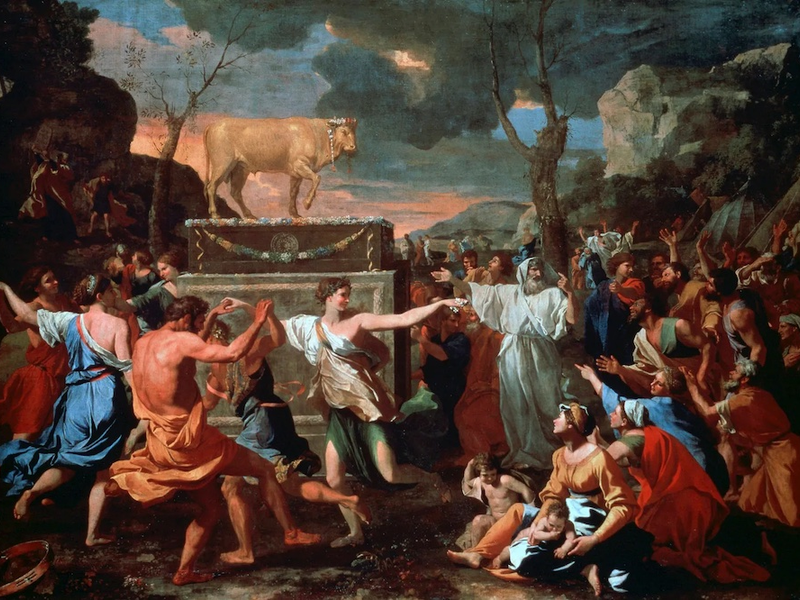
What About Catholics? (continued) Usually, such people are not seeking graven images, but rather their idolatry is of a broader character. They are seeking a home on earth. Scott Hahn’s book is called Rome Sweet Home . This is the essential sin, for there is no home on earth. The…

by James B. JordanDecember 7, 1994

screen-shot-2022-08-04-at-9-36-57-am
Biblical Studies

The Gospel and the Virtues

Reading the earliest Christian apologists is like watching a movie in which the hero has the means to demolish his opponents in his grasp but never realizes it. The apologists come across as men not altogether aware of the radical character of the gospel they defend. In response to charges…

by Peter LeithartNovember 23, 1994
elisah-curses-boys
Biblical Studies

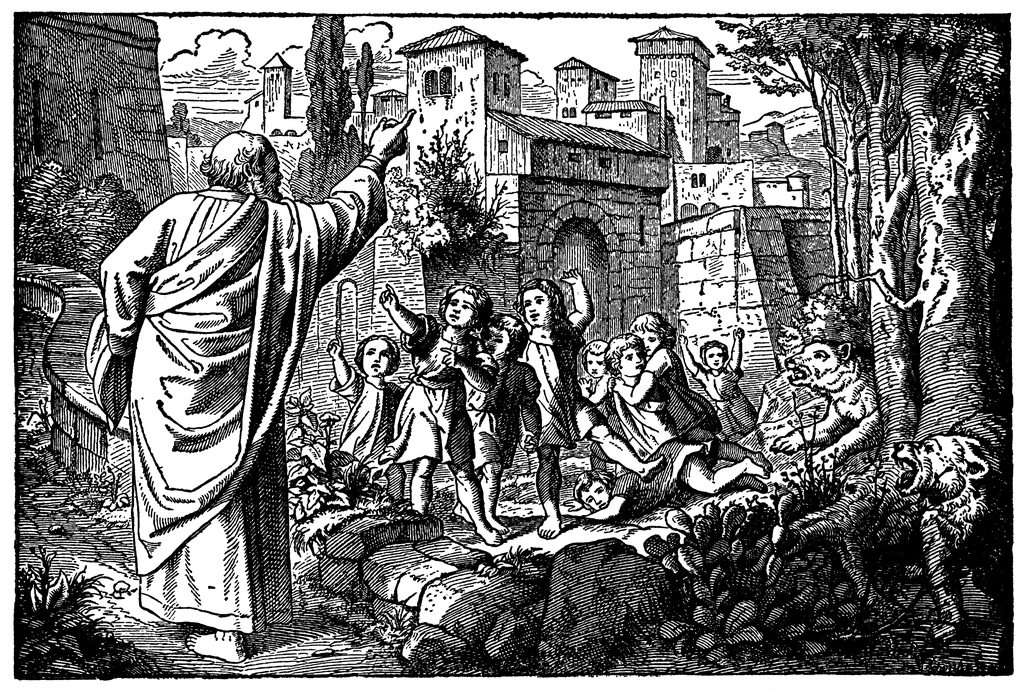
Suffer the Little Children

Then [Elisha] went up from there to Bethel; and as he was going up by the way, ne`arim came out from the city and mocked him and said to him, "Go up, you baldhead; go up, you baldhead!" When he looked behind him and saw them, he cursed them in…

by Peter LeithartNovember 23, 1994
annunciation-2
Biblical Chronology

Genesis 5 & 11: Chronological-Theological Reflections (Part 2)

Further Numerical Items of Interest Umberto Cassuto points out some other numerical factors in Genesis 5. 1 For one thing, he observes that every number in Genesis 5 is a multiple of 5, sometimes with the addition of 7. We have, in essence, made this point already. He also points…

by James B. JordanNovember 7, 1994
Biblical Horizons

The Second Word III: Exposition; Implications

Prostration God has designed the human body in a marvelous way, and Biblical religion is very physical. We believe in the resurrection of the body, against all pagan ideas of the immortality of the soul. We bury our bodies, not burning them. Human beings in their totality, including our bodies,…

by James B. JordanOctober 7, 1994
kiwihug-l4gw27xzn1i-unsplash
Revelation

The Last Eight Visions of Revelation

Since Revelation is laid out in serieses of sevens, it is worth investigating to see if there is a series of seven after the seven libation-bowls of chapter 16. I believe there is, and it is the burden of this essay to expose it. The series of sevens, or heptamerous…

by James B. JordanOctober 7, 1994

Showing page 275 of 309

See all
See all
Philosophy

Mirrors, ancient and modern

In her recent book The Mirror of the Self , Shadi Bartsch argues that ancient notions of introspection and self-examination do not employ the image of the mirror in the way we do in post-Cartesian philosophy. In the words of the TLS reviewer, for the ancients “the mirror was the…

June 27, 2007

Enjoyment in God

Wilken summarizes Augustine’s social vision of perfection this way: “This peace for which the city of God yearns is a ‘perfectly ordered and harmonious fellowship in the enjoyment of God,’ a peace of ‘enjoying one another in God.’ Notice that Augustine’s language is social, not individualistic. He does not say,…

June 26, 2007

Ecclesiology of perfection

When Plato thought about politics, he thought about an ideal city (at least in the Republic ). Not Augustine. Augustine recognized that Plato had portrayed “what kind of city ought there to be.” But Augustine was after something different. He presented an actual human society, a city of God in…

June 26, 2007
Theology

Empty minds

Aquinas wrote: “If the teacher determines the question by appeal to authorities only, the student will be convinced that the thing is so, but will have acquired no knowledge or understanding, and he will go away with an empty mind.”

June 26, 2007

Cyril and the Bible

In his wonderful book, The Spirit of Early Christian Thought , Robert Louis Wilken criticizes the Formula of Chalcedon as “formulaic and abstract,” which described Jesus as “one person,” but “seemed to divide Christ into a divine nature that, for example, healed the sick and raised the dead and a…

June 26, 2007
History

No heavenly good

Alcinous, a pagan philosopher of the second century AD claimed that God is “eternal, ineffable, self-sufficient, without need . . . and perfect in every respect.” The only way to know such a God was to ascend from earthly things to higher realities: “First one contemplates the beauty found in…

June 26, 2007

Showing page 1663 of 2212

Browse by Category

In Medias Res

Your weekly digest for all things Theopolis.

Donate

Theopolis is nearly 100% donor-supported. Consider joining us on our mission.