Theopolis Logo

Writing

Explore our collection of theological essays, biblical studies, and reflections on faith and culture.

See all
tim-marshall-k2u71wv2ei4-unsplash
Modernity

Protestantism and the Postmodern self

Postmodernism has, we are told, “decentered” the modern self, that unified, sovereign, isolated, godlike “thinking thing” discovered by Rene Descartes. The postmodern self is not single but multiple; not sovereign but controlled by external forces; not isolated but “embedded” in the world and in relation; not godlike, but human, all…

by Peter LeithartMay 6, 2013

kiwihug-l4gw27xzn1i-unsplash
Matthew

Law and History: How to Read the Law of Moses (Part 8)

This is the eighth in a series of studies on Deuteronomy 22:30-23:8. And Jesus went out thence, and withdrew into the parts of Tyre and Sidon. And behold, a Canaanitish woman came out from those borders, and cried, saying, Have mercy on me, O Lord, thou son of David; my…

by Ralph Allan SmithMay 1, 2013
screen-shot-2023-09-20-at-7-04-07-am
Augustine

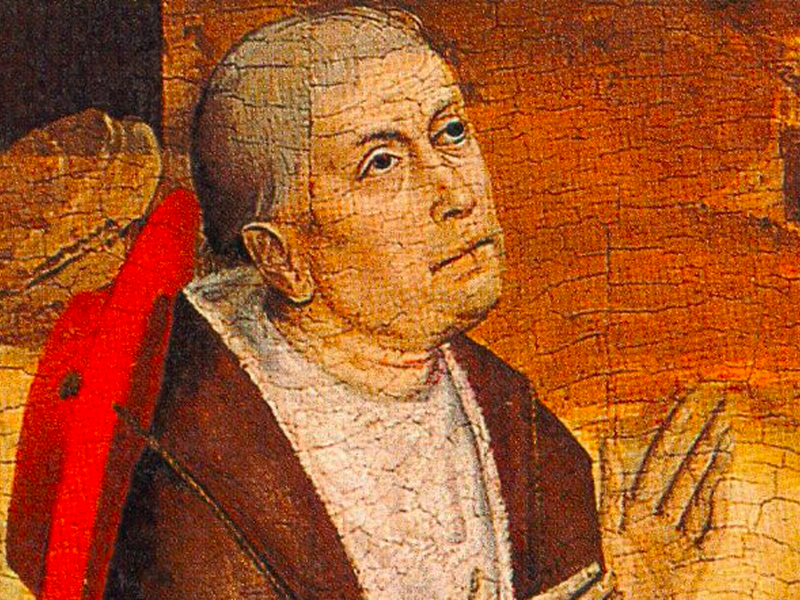
A Cusan Modernity?

The fifteenth-century German Cardinal Nicholas of Cusa led a busy and wide-ranging life. Educated in liberal arts and law at Heidelberg and Padua, Nicholas was a leading figure in the Conciliarist movement, and later served as a papal legate to both Constantinople and throughout Germany. As Bishop of Brixen, he…

by Peter LeithartApril 29, 2013
screenshot-2023-07-27-at-10-25-35-am
Deuteronomy

Law and History: How to Read the Law of Moses (Part 7)

This is the seventh in a series of studies on Deuteronomy 22:30-23:8. Thou shalt not abhor an Edomite, for he is thy brother; thou shalt not abhor an Egyptian, because thou wast a sojourner in his land. The children of the third generation that are born unto them shall enter…

by Ralph Allan SmithApril 25, 2013
ivan-aleksic-16yxcjsoaek-unsplash
Romans

What Advantage the Jew?

A sermon on Romans 3:1-8. 1 Then what advantage has the Jew? Or what is the value of circumcision? 2 Much in every way. To begin with, the Jews were entrusted with the oracles of God. A lot of people speculate here about what kind of advantage Paul is talking…

by Mark HorneApril 22, 2013
screenshot-2023-07-27-at-10-25-35-am
Deuteronomy

Law and History: How to Read the Law of Moses (Part 6)

This is the sixth in a series of studies on Deuteronomy 22:30-23:8. An Ammonite or a Moabite shall not enter into the assembly of Yahweh; even to the tenth generation shall none belonging to them enter into the assembly of Yahweh forever: because they met you not with bread and…

by Ralph Allan SmithApril 17, 2013

Showing page 195 of 309

See all
See all

Creation sacraments and eschatology

Thomas defines sacraments in terms of their power to effect sanctification. Not all sacred signs are sacraments, but only those which are efficacious; they are signs of holy things that make men holy (ST 60, 2). Thomas also denies that sacraments were necessary in Eden, since there was no need…

May 7, 2007

Sermon Notes, Ascension

Much of this comes from a lecture by Jeff Meyers at a Biblical Horizons conference several summers ago. INTRODUCTION Forty days after Jesus rose from the dead, He ascended into heaven (Acts 1:3). As He had warned His disciples, He went away from them (John 14:28; 16:7). He promised that…

May 7, 2007

Eucharistic exhortation, Fourth Sunday After Easter

Matthew 1:23: They shall call His name Immanuel, which translated means, God with us. As we saw in the sermon this morning, the prophecy that Matthew cites is a prophecy assuring Judah of her victory over Israel and Aram. Immanuel is also a sign of the Lord’s judgment. When God…

May 6, 2007

Exhortation, Fourth Sunday After Easter

For many of you, this will be your last Sunday in Moscow for a while. You have spent the past year studying the Bible, or learning music, or reading great books, or honing your rhetorical skills, or writing a thesis. And as you did that, you may have spent the…

May 6, 2007

God With Us

Warren Carter (JBL 119/3) examines the intertextual relations between Matthew 1:22-23 and Isaiah 7:14, which Matthew cites (he also discusses Matthew’s citation of Isaiah 8:23-9:1 in 4:15-16). He argues first that Matthew intends to evoke the entire situation of Isaiah 7-9. Matthew does not name the prophet, since his audience…

May 5, 2007

Faith in Isaiah

Gordon CI Wong (VT 51.4) examines the call to “believe” in Isaiah 7 (specifically v. 9b). He asks, What does faith mean in Isaiah 7? He rejects interpretations that suggest Ahaz is supposed to respond passively to the threat from Israel and Aram by renouncing military defenses. On the contrary,…

May 5, 2007

Showing page 1683 of 2212

Browse by Category

In Medias Res

Your weekly digest for all things Theopolis.

Donate

Theopolis is nearly 100% donor-supported. Consider joining us on our mission.