Theopolis Logo

Writing

Explore our collection of theological essays, biblical studies, and reflections on faith and culture.

See all
e99a9334
Advent

Stretching Christmas

For many people Christmas comes on December 25 and is over December 26. The tree is taken down along with the lights and the other decorations, and everyone begins setting the house in order for the new year. No more Christmas hymns. No more celebrations (well, until New Year’s Eve).…

by Steve WilkinsDecember 24, 2016
ascension
Advent

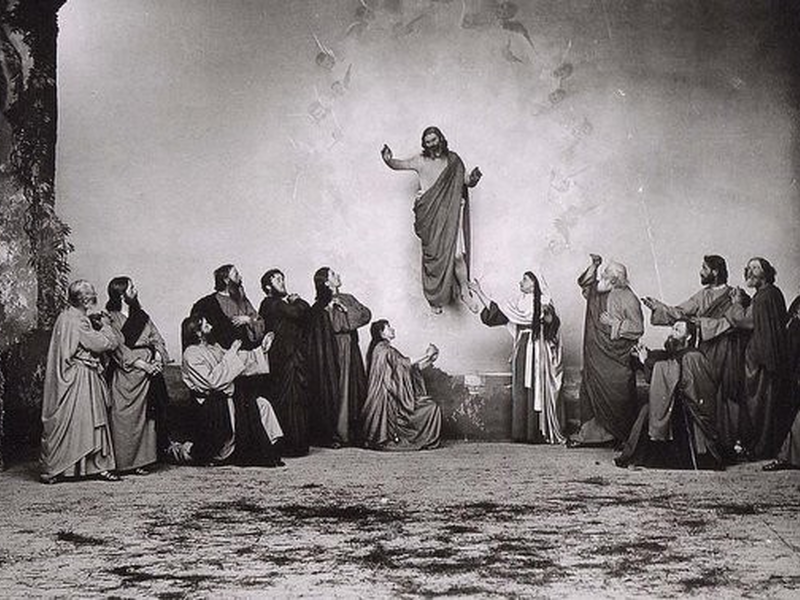
Ascension and Incarnation

The Ascension and the Incarnation should not be disconnected in our Christmas thinking or celebrations. As N.T. Wright notes, the ascension is "a central and vital feature without which all sorts of other things start to go demonstrably wrong. . . . where the ascension has been ignored or misunderstood,…

by Roy AtwoodDecember 23, 2016
nativity-rembrandt
Advent

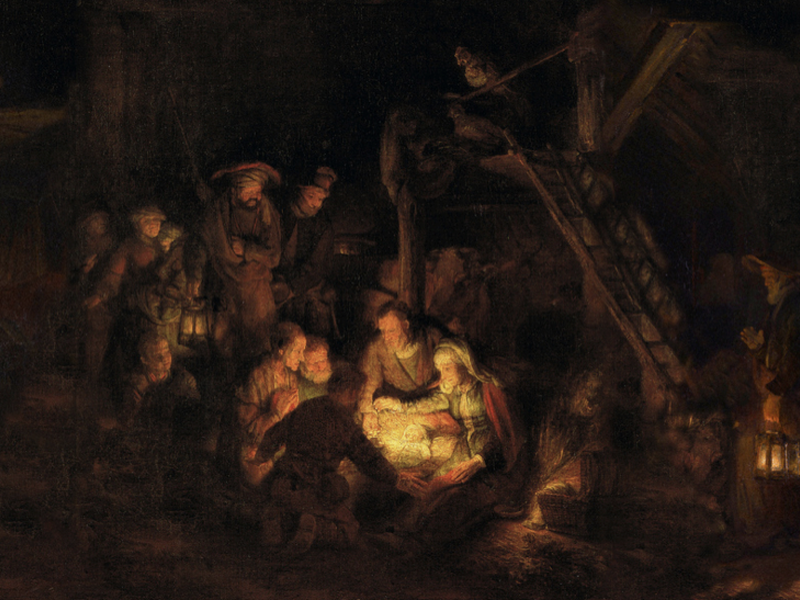
Christmas Light

“In the Word was life, and the life was the light of men. And the light shines in the darkness.” Thus John describes the incarnation of the Son. He comes as the living and life-giving light of the world. That’s good news. In the beginning, God spoke and light shone…

by Peter LeithartDecember 23, 2016
nativity-chagall
Advent

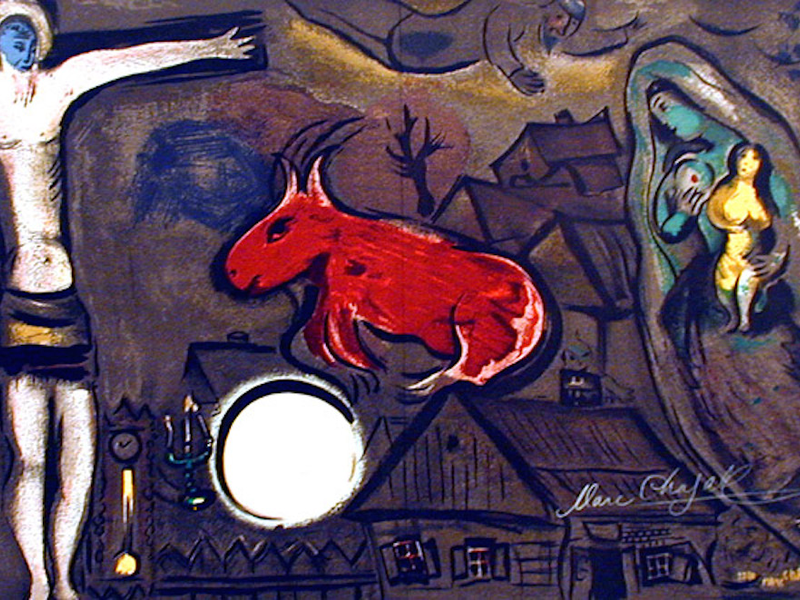
The Spirit of Christmas

Christmas is all about Jesus. The angels announce Jesus’ birth, shepherds and wise men come to see Jesus, Herod wants to kill Jesus. We occasionally think of the Father who sent the Son, but we keep returning to the Son made flesh in Bethlehem’s manger. Meanwhile, as always, the Spirit…

by Peter LeithartDecember 22, 2016
nativity
Advent

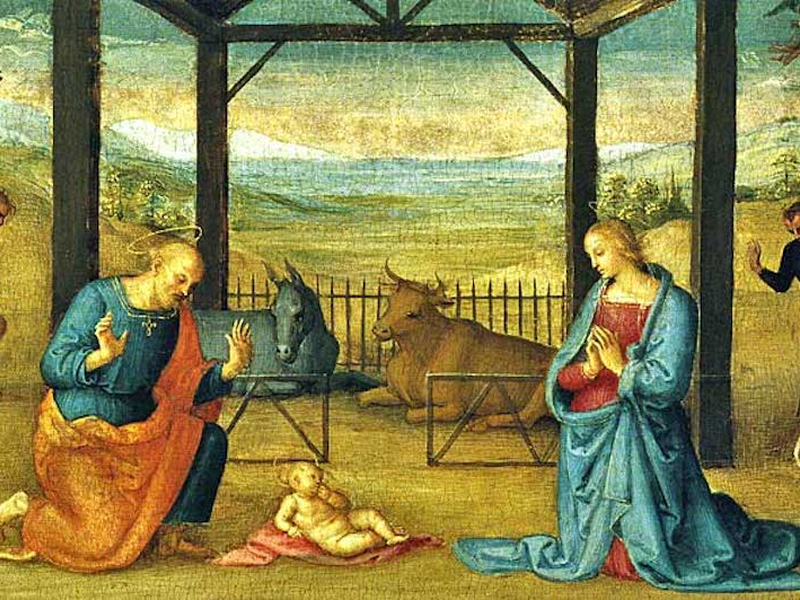
The Humility of God

Christmas is about many things, but one of the chief things revealed in the gospel of Christmas is the humility of God. We don't often think of humility as an attribute of God. If God is glorious and exalted, we think, He must be haughty and proud and self-centered. We…

by Peter LeithartDecember 21, 2016
screenshot-2025-12-15-at-8-35-45-am
Advent

Advent of Unity

John famously begins his Gospel with a piece of theology: “In the beginning was the Word, and the Word was with God, and the Word was God.” Matthew starts with a genealogy. John celebrates Advent with a hymn, Matthew with a list. For John, Jesus is the Word of creation…

by Peter LeithartDecember 20, 2016

Showing page 120 of 309

See all
See all
Creation

Universal Harmony

I n the course of a discussion of the “harmony” of the economy of grace, the great English Puritan John Owen remarks on the incomprehensible universal harmony of creation ( Doctrine of Justification by Faith , 55) : There is a harmony, a suitableness of one thing unto another, in…

June 23, 2017
Jane Austen

Dear Jane

W e may think that Jane Austen has only recently entered pop culture consciousness. We'd be wrong. Devoney Looser's The Making of Jane Austen traces Austen's fortunes between 1833, when her novels were republished, and 1975, the bicentenary of her birth. Looser examines book illustrations, dramatizations of the plays, political…

June 23, 2017

Beatitude

A s the title suggests, Jonathan Pennington's The Sermon on the Mount and Human Flourishing sees the Sermon on the Mount as Jesus' instruction in a way of virtue and wisdom that leads to flourishing. As Pennington puts it, “Jesus provides in the Sermon a Christocentric, flourishing-oriented, kingdom-awaiting, eschatological wisdom…

June 23, 2017

Genealogy of Rights

I n The Sacredness of the Person , Hans Joas offers an “affirmative genealogy” of the notion of human rights. He traces the historical origins of the concept not, in Nietzchean fashion, to debunk, but to validate. Isolating the origins of a set of cultural values or practices need not,…

June 23, 2017

Ally of Convenience

D avid Goldman argues that Trump sent “a clear message to America’s Muslim clients in Saudi Arabia: No more double games with non-state actors will be tolerated.” The double games have been going on a long time: “Saudi royal family members are funding every radical madrassa in Asia, including those…

June 22, 2017

Sources of “Justification”

I n Paul's letters, the verb “justify” (Gr. dikaioo ) means “acquit, judge favorably,” with overtones of forgiveness and reconciliation. It has an invariably positive meaning. Paul didn't learn to use “justify” that way from ancient or contemporary Greek. As James Prothro explains in a 2016 article, outside the Septuagint…

June 21, 2017

Showing page 170 of 2212

Browse by Category

In Medias Res

Your weekly digest for all things Theopolis.

Donate

Theopolis is nearly 100% donor-supported. Consider joining us on our mission.