Theopolis Logo

Writing

Explore our collection of theological essays, biblical studies, and reflections on faith and culture.

See all
cloister

Gatekeepers

1 Chronicles 9:1 seems to bring the genealogies of 1 Chronicles to an end. The Chronicler has recorded the genealogy of the human race from Adam, focusing on the descendants of Abraham through Jacob. Summing it all up, he says, “So all Israel was enrolled by genealogies; and behold, they…

by Peter LeithartJune 21, 2016
trinity-1-2
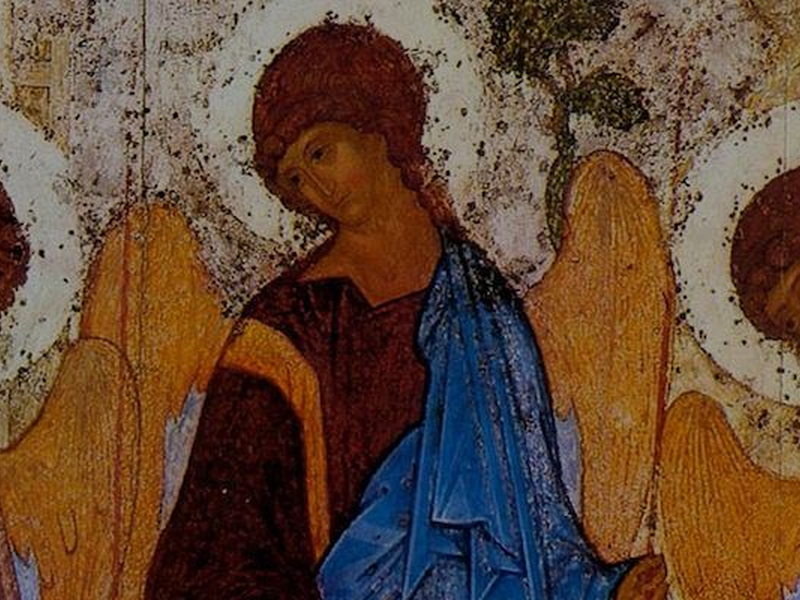
Trinity

Are the Divine Persons Persons?

The “personalist” understanding of the Trinity, articulated most influentially in the work of John Zizioulas, has fallen on hard times. Recent scholars have attacked Zizioulas’s idea that Cappadocian Trinitarianism represented an ontological revolution, hammering on the distinction between divine and human personhood. Michel Barnes’s conclusion is the most drastic of…

by Peter LeithartJune 16, 2016
img_4660-2
Architecture

On Biblical Theology

Biblical Theology is often defined as the historical unfolding of God’s revelation, or of God’s revelation and of the history of his covenantal redemption and transformation of humanity and the world. In practice, Biblical Theology is usually broader than this, and also includes the study of literary structure and of…

by James B. JordanJune 14, 2016
laughing_statue_by_xxbobbiie-d5f0meh-2
Humor

Wise Laughter

We are made to be happy. Created to enter into the eternal joy of God, our whole being inclines to that end, but the fallen world has put forth barriers and by our own sin we bar ourselves from that endless delight, and death blinds us to that reality. Yet…

by Remy WilkinsJune 7, 2016
img_7664
Liturgy

Why Theopolis? Take Two

At the end of Revelation, John sees the heavenly city descending to earth. The city shines with the brilliance of God's glory, which lightens the nations, so that kings bring their glory to the city. This is not a vision of the final new heaven and new earth. It's a…

by Peter LeithartJune 2, 2016
trinity-1-2
Attributes of God

How Can We Talk About God?

“No one has ever seen God,” writes John (John 1:18). If this is the case, then how can we speak about God? Some people say we actually cannot. Or at least we cannot speak about God positively, i.e. who He is. We can only say who or what God is…

by Bogumil JarmulakMay 31, 2016

Showing page 130 of 309

See all
See all
Creation

Universal Harmony

I n the course of a discussion of the “harmony” of the economy of grace, the great English Puritan John Owen remarks on the incomprehensible universal harmony of creation ( Doctrine of Justification by Faith , 55) : There is a harmony, a suitableness of one thing unto another, in…

June 23, 2017
Jane Austen

Dear Jane

W e may think that Jane Austen has only recently entered pop culture consciousness. We'd be wrong. Devoney Looser's The Making of Jane Austen traces Austen's fortunes between 1833, when her novels were republished, and 1975, the bicentenary of her birth. Looser examines book illustrations, dramatizations of the plays, political…

June 23, 2017

Beatitude

A s the title suggests, Jonathan Pennington's The Sermon on the Mount and Human Flourishing sees the Sermon on the Mount as Jesus' instruction in a way of virtue and wisdom that leads to flourishing. As Pennington puts it, “Jesus provides in the Sermon a Christocentric, flourishing-oriented, kingdom-awaiting, eschatological wisdom…

June 23, 2017

Genealogy of Rights

I n The Sacredness of the Person , Hans Joas offers an “affirmative genealogy” of the notion of human rights. He traces the historical origins of the concept not, in Nietzchean fashion, to debunk, but to validate. Isolating the origins of a set of cultural values or practices need not,…

June 23, 2017

Ally of Convenience

D avid Goldman argues that Trump sent “a clear message to America’s Muslim clients in Saudi Arabia: No more double games with non-state actors will be tolerated.” The double games have been going on a long time: “Saudi royal family members are funding every radical madrassa in Asia, including those…

June 22, 2017

Sources of “Justification”

I n Paul's letters, the verb “justify” (Gr. dikaioo ) means “acquit, judge favorably,” with overtones of forgiveness and reconciliation. It has an invariably positive meaning. Paul didn't learn to use “justify” that way from ancient or contemporary Greek. As James Prothro explains in a 2016 article, outside the Septuagint…

June 21, 2017

Showing page 170 of 2212

Browse by Category

In Medias Res

Your weekly digest for all things Theopolis.

Donate

Theopolis is nearly 100% donor-supported. Consider joining us on our mission.