Theopolis Logo

Writing

Explore our collection of theological essays, biblical studies, and reflections on faith and culture.

See all
little-girl
Children

Honor God With Your Body

I am making a new rule in our house! We are actually kind of skimpy on the house rules. I try very hard to keep things simple: love God, love others, be joyful. It’s not complicated to avoid discipline here. But I have found myself repeating this new rule over…

by Lindsey TollefsonApril 9, 2015

giotto-noli-me-3
John

The Gardener and the Beloved, (Part 3)

Click HERE for Part 2 The voice of Jesus transforms and changes Mary when she hears him speak her name. This is her last “turning.” So also the woman in the Song of Songs longs to hear the voice of her beloved. Let me see your face, let me hear…

by Jeff MeyersApril 6, 2015
giotto-noli-me-2
John

The Gardener and the Beloved, (Part 2)

Click HERE for Part 1. The details of this story call the attentive reader back to the drama of Solomon’s Song of Songs. And the Song of Song’s alludes to, ties us into the story of Adam and Eve in the Garden and the promise of a coming Messiah that…

by Jeff MeyersApril 4, 2015
easter-term-2015-2
Theopolis News

Easter Term, 2015

“The course was a paradigm shift for me,” said Jonathan Sedlak, a Milwaukee electrical contractor who attended Theopolis’s course on Revelation. “I am left with a book that is far more practical than it has ever seemed before.” Jonathan Anderson of Louisville, Kentucky found the course “refreshing.” “I finished with…

by TheopolisApril 2, 2015
psalm-singing
Genesis

Worship as Response: Liturgical Logic, (Part 1)

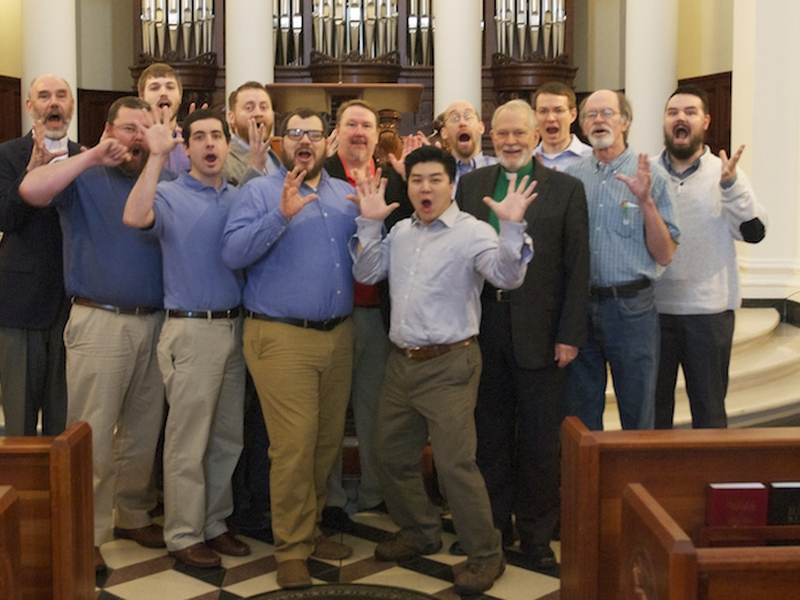
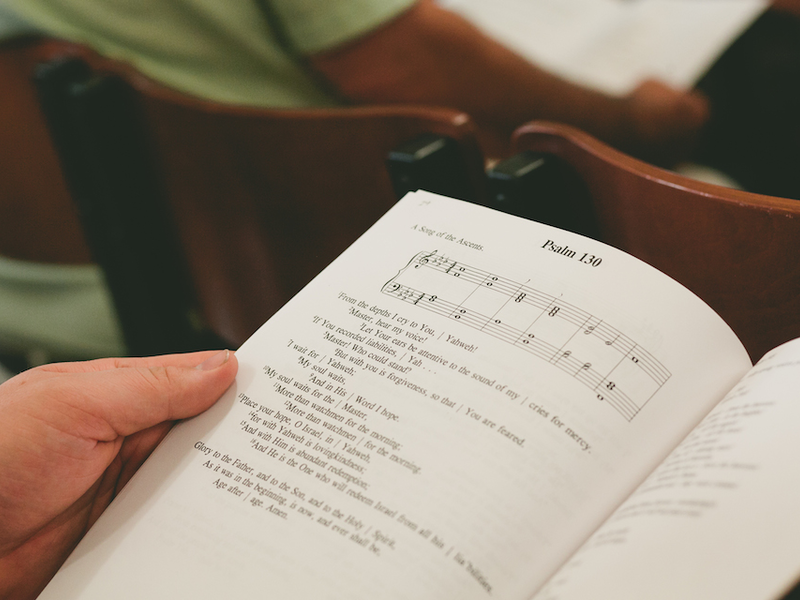
“It is only by participation in a rational, practice-based community that one becomes rational.” – Alasdair MacIntyre It may be perfectly clear to a chef why adding unsifted powdered sugar to a hot frosting is a bad idea. But for an amateur cook, this may be the kind of rule…

by Jonathan BarlowApril 2, 2015
giotto-noli-me
John

The Gardener and the Beloved, (Part 1)

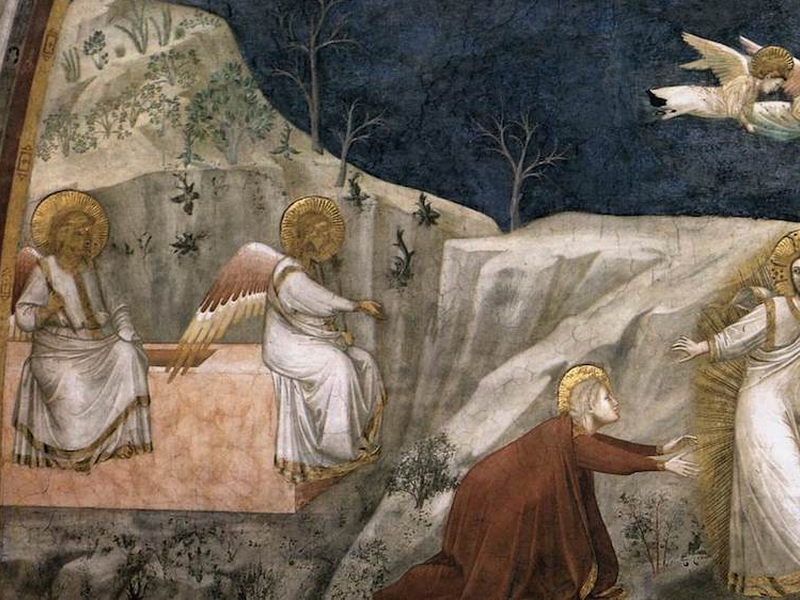
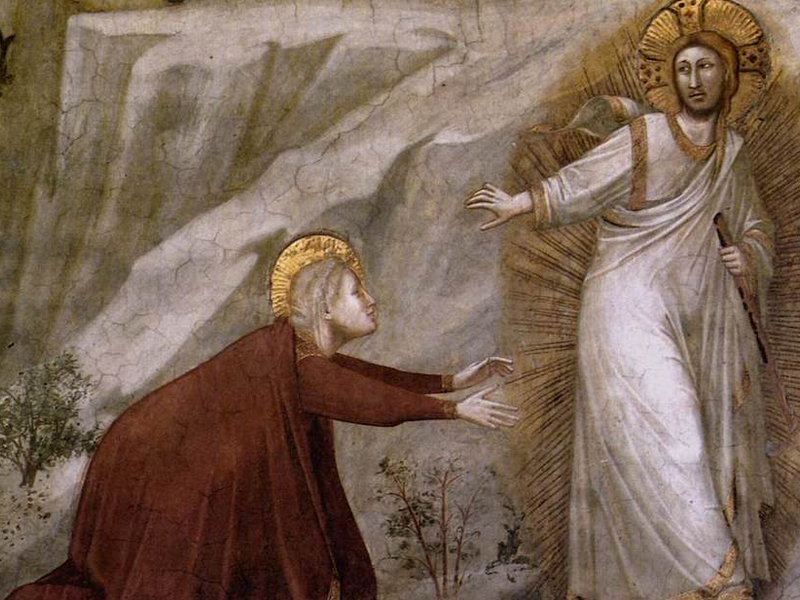
On a fresco in a chapel in Padua, Italy, there is a famous painting depicting the dramatic post-resurrection scene in John 20 with Mary and Jesus outside of the garden tomb. Giotto di Bondone painted it in the early 14th century. Jesus is striding from the tomb with a victor’s…

by Jeff MeyersApril 1, 2015

Showing page 156 of 309

See all
See all
History

Hospitality

For us, hospitality usually means entertaining. It means having our friends and neighbors and church members into the home. Sometimes, in our world, it involves jockeying for position and power by showing hospitality to the right kinds of people. That’s how the rich and famous create and sustain the aura…

March 24, 2007

Obscene dancing

The London Times fulminates: “It is quite sufficient to cast one’s eyes on the voluptuous intertwining of the limbs, and close compressure of the bodies, in this dance, to see that it is far indeed removed from the modest reserve which has hitherto been considered distinctive of English females. So…

March 22, 2007

Christ and Horrors

Marilyn McCord Adams ( Christ and Horrors , Cambridge, 2006) proposes to demonstrate the coherence of Christology not by starting with sin and explaining how Christ has dealt with sin, but by starting with “horrors” and asking, What must Christ be and do if He is going to rescue us…

March 22, 2007
History

The Alexandrian West

In her book on medieval Bible scholarship, Beryl Smalley notes that “Alexandrian exegesis penetrated to the Latin middle ages, when knowledge of Greek had declined, by two main channels: indirectly through the Latin Fathers and directly through translations of Origen’s works. Rufinus’ translations of some of his homilies were used…

March 22, 2007

Allegory and empire

Philo thought of allegory as a means for universalizing Jewish history and law, analogous to the way the Roman world had fused all peoples into a single empire. Literalists are “citizens of a petty state,” while allegorists are “on the roll of citizens of a greater country, namely, this whole…

March 21, 2007

Androgynous numbers

Why did God create the world in six days? Philo said that 6 is the perfect number, both the sum and the product of its factors, which happen to be the first three integers (1, 2, 3). But there’s more: “We may say that [6] is in its nature both…

March 21, 2007

Showing page 1703 of 2212

Browse by Category

In Medias Res

Your weekly digest for all things Theopolis.

Donate

Theopolis is nearly 100% donor-supported. Consider joining us on our mission.