Theopolis Logo

Writing

Explore our collection of theological essays, biblical studies, and reflections on faith and culture.

See all
e99a9334
Advent

Stretching Christmas

For many people Christmas comes on December 25 and is over December 26. The tree is taken down along with the lights and the other decorations, and everyone begins setting the house in order for the new year. No more Christmas hymns. No more celebrations (well, until New Year’s Eve).…

by Steve WilkinsDecember 24, 2016
ascension
Advent

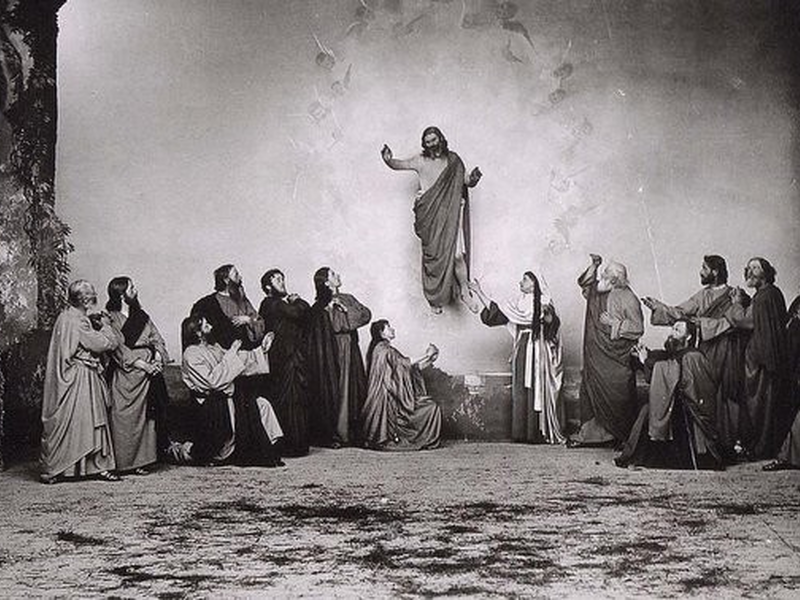
Ascension and Incarnation

The Ascension and the Incarnation should not be disconnected in our Christmas thinking or celebrations. As N.T. Wright notes, the ascension is "a central and vital feature without which all sorts of other things start to go demonstrably wrong. . . . where the ascension has been ignored or misunderstood,…

by Roy AtwoodDecember 23, 2016
nativity-rembrandt
Advent

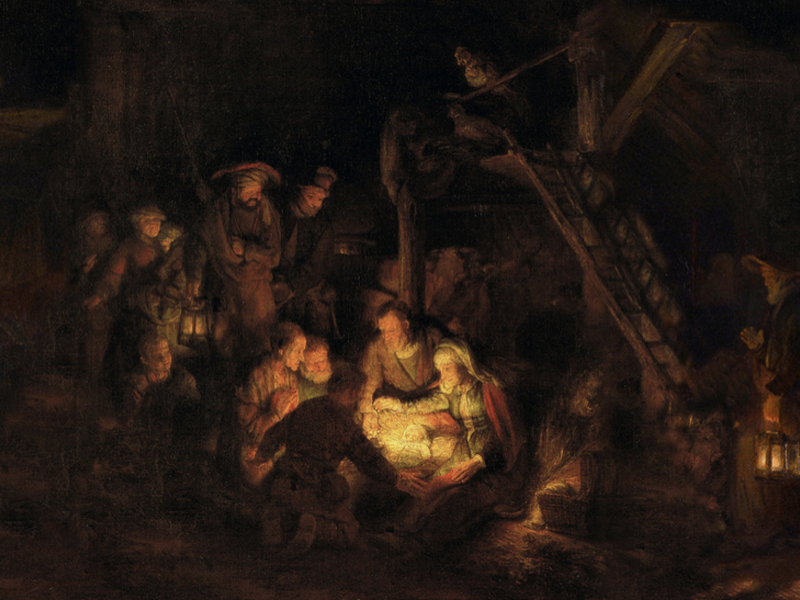
Christmas Light

“In the Word was life, and the life was the light of men. And the light shines in the darkness.” Thus John describes the incarnation of the Son. He comes as the living and life-giving light of the world. That’s good news. In the beginning, God spoke and light shone…

by Peter LeithartDecember 23, 2016
nativity-chagall
Advent

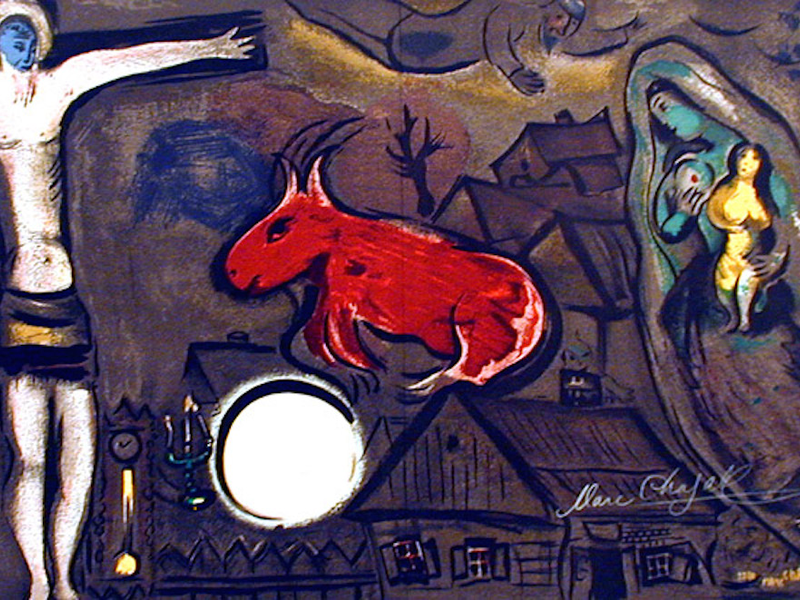
The Spirit of Christmas

Christmas is all about Jesus. The angels announce Jesus’ birth, shepherds and wise men come to see Jesus, Herod wants to kill Jesus. We occasionally think of the Father who sent the Son, but we keep returning to the Son made flesh in Bethlehem’s manger. Meanwhile, as always, the Spirit…

by Peter LeithartDecember 22, 2016
nativity
Advent

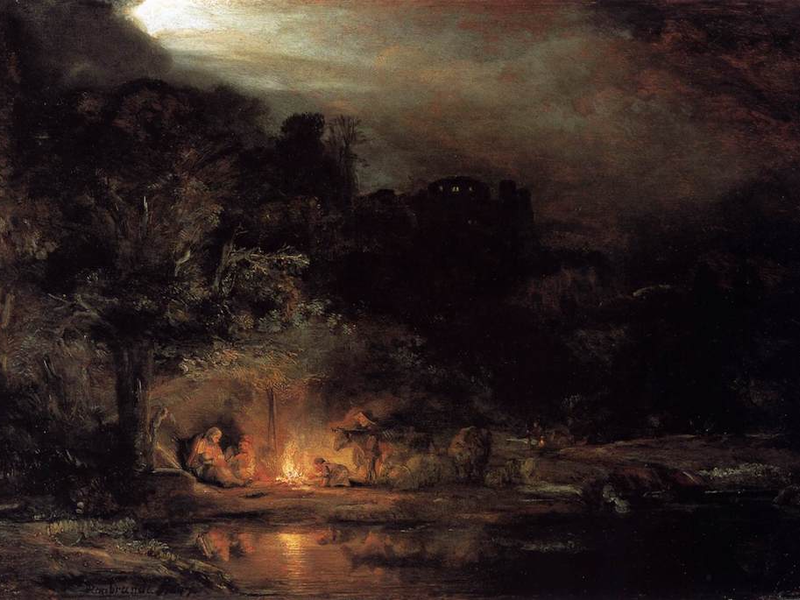
The Humility of God

Christmas is about many things, but one of the chief things revealed in the gospel of Christmas is the humility of God. We don't often think of humility as an attribute of God. If God is glorious and exalted, we think, He must be haughty and proud and self-centered. We…

by Peter LeithartDecember 21, 2016
screenshot-2025-12-15-at-8-35-45-am
Advent

Advent of Unity

John famously begins his Gospel with a piece of theology: “In the beginning was the Word, and the Word was with God, and the Word was God.” Matthew starts with a genealogy. John celebrates Advent with a hymn, Matthew with a list. For John, Jesus is the Word of creation…

by Peter LeithartDecember 20, 2016

Showing page 120 of 309

See all
See all

By the Spirit

Paul says that one can only say “Jesus is Lord” by the Spirit (1 Corinthians 12:3). He adds later in the same chapter that we are incorporated into the body, the one-and-many body of the visible church, by “one Spirit” (12:13). Surely Paul exaggerates. Anybody can say Jesus is Lord.…

February 22, 2007

Righteousness by faith

ERH sees faith not as a “religious” issue but as one of the driving forces of history. All revolutions begin in faith, and the faith that drives historical change is a faith that is reckoned as justice: “Faith is a belief in things unseen; it goes against hope, it defies…

February 22, 2007
History

American Revolution

Was the American Revolution a Revolution? ERH concludes it was a “half-revolution” rather than a total revolution on the scale of the Russian, French, Puritan, Reformation, and Papal revolutions. Evaluating the revolutionary character of the American Revolution rests partly on the question of what “revolution” meant to the participants. ERH…

February 22, 2007

Liturgical uniformity

To outsiders, the Roman Catholic church appears to have a uniform liturgical tradition, of long standing. Rosenstock-Huessy points out that the uniformity of the Mass is a rather late development. During the 19th century, “the movement of Solesmes united all the churches of the Catholic world by introducing the Roman…

February 22, 2007

Receiving brothers

Within two verses, John accuses Diotrephes of refusing to “receive us” and refusing to “receive the brethren” (3 John 9-10). The first refers to an acknowledgement of authority; receiving “us,” the elder and his co-workers, would mean listening and obeying. The second refers to hospitality; receiving the brothers means welcoming…

February 22, 2007

In manner of God

John commends Gaius not only for receiving traveling brothers but for sending them on their way “in a manner worthy of God” (3 John 6). What does this mean? Stott is certainly right to say that they are to be treated as servants of God. But John’s language is more…

February 22, 2007

Showing page 1713 of 2212

Browse by Category

In Medias Res

Your weekly digest for all things Theopolis.

Donate

Theopolis is nearly 100% donor-supported. Consider joining us on our mission.