Theopolis Logo

Writing

Explore our collection of theological essays, biblical studies, and reflections on faith and culture.

See all
adoration-of-the-golden-calf-canvas-nicolas-1634-copy
Art

The Second Word IV: Implications

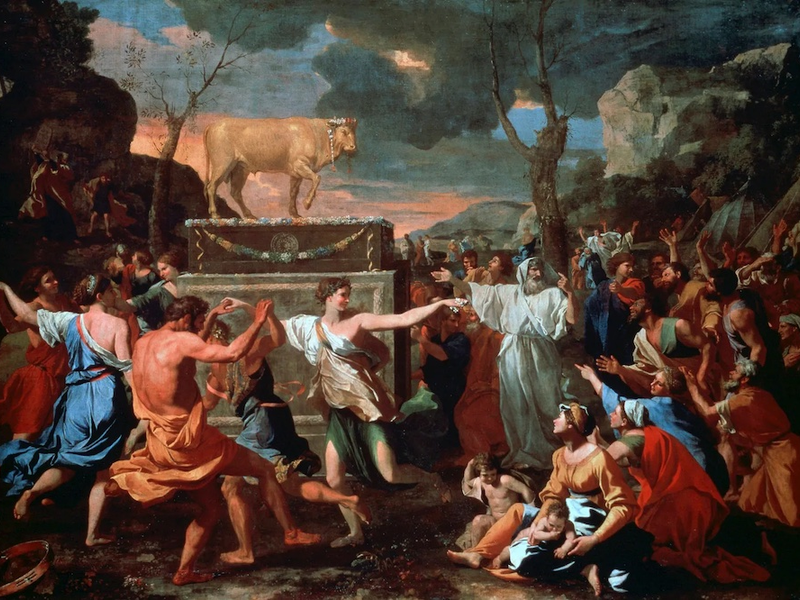
What About Catholics? (continued) Usually, such people are not seeking graven images, but rather their idolatry is of a broader character. They are seeking a home on earth. Scott Hahn’s book is called Rome Sweet Home . This is the essential sin, for there is no home on earth. The…

by James B. JordanDecember 7, 1994

screen-shot-2022-08-04-at-9-36-57-am
Biblical Studies

The Gospel and the Virtues

Reading the earliest Christian apologists is like watching a movie in which the hero has the means to demolish his opponents in his grasp but never realizes it. The apologists come across as men not altogether aware of the radical character of the gospel they defend. In response to charges…

by Peter LeithartNovember 23, 1994
elisah-curses-boys
Biblical Studies

Suffer the Little Children

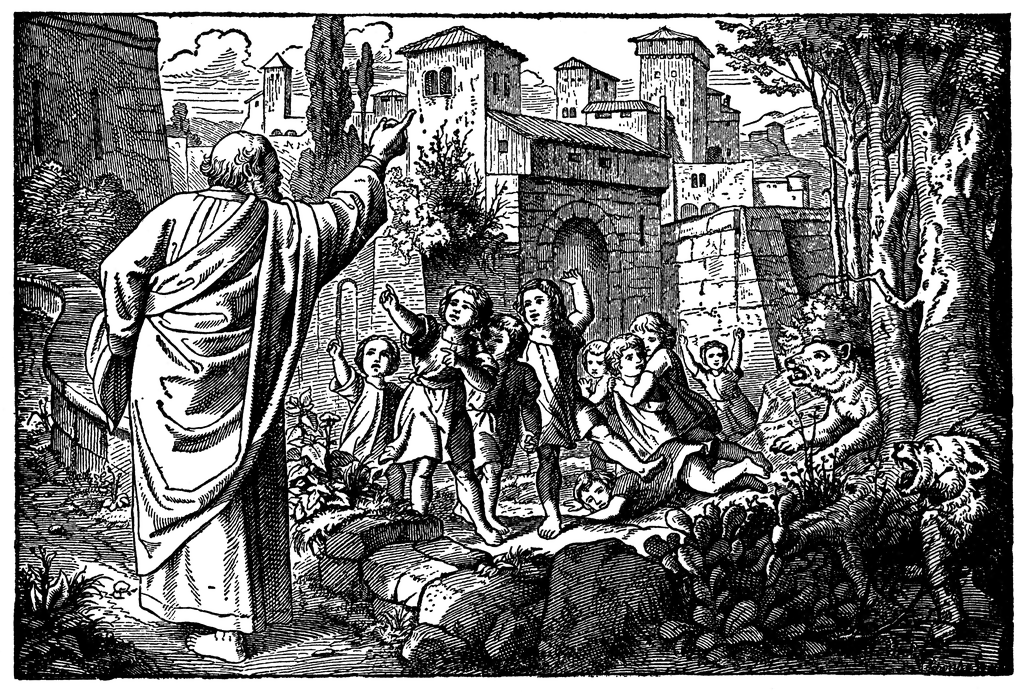
Then [Elisha] went up from there to Bethel; and as he was going up by the way, ne`arim came out from the city and mocked him and said to him, "Go up, you baldhead; go up, you baldhead!" When he looked behind him and saw them, he cursed them in…

by Peter LeithartNovember 23, 1994
annunciation-2
Biblical Chronology

Genesis 5 & 11: Chronological-Theological Reflections (Part 2)

Further Numerical Items of Interest Umberto Cassuto points out some other numerical factors in Genesis 5. 1 For one thing, he observes that every number in Genesis 5 is a multiple of 5, sometimes with the addition of 7. We have, in essence, made this point already. He also points…

by James B. JordanNovember 7, 1994
Biblical Horizons

The Second Word III: Exposition; Implications

Prostration God has designed the human body in a marvelous way, and Biblical religion is very physical. We believe in the resurrection of the body, against all pagan ideas of the immortality of the soul. We bury our bodies, not burning them. Human beings in their totality, including our bodies,…

by James B. JordanOctober 7, 1994
kiwihug-l4gw27xzn1i-unsplash
Revelation

The Last Eight Visions of Revelation

Since Revelation is laid out in serieses of sevens, it is worth investigating to see if there is a series of seven after the seven libation-bowls of chapter 16. I believe there is, and it is the burden of this essay to expose it. The series of sevens, or heptamerous…

by James B. JordanOctober 7, 1994

Showing page 275 of 309

See all
See all

By the Spirit

Paul says that one can only say “Jesus is Lord” by the Spirit (1 Corinthians 12:3). He adds later in the same chapter that we are incorporated into the body, the one-and-many body of the visible church, by “one Spirit” (12:13). Surely Paul exaggerates. Anybody can say Jesus is Lord.…

February 22, 2007

Righteousness by faith

ERH sees faith not as a “religious” issue but as one of the driving forces of history. All revolutions begin in faith, and the faith that drives historical change is a faith that is reckoned as justice: “Faith is a belief in things unseen; it goes against hope, it defies…

February 22, 2007
History

American Revolution

Was the American Revolution a Revolution? ERH concludes it was a “half-revolution” rather than a total revolution on the scale of the Russian, French, Puritan, Reformation, and Papal revolutions. Evaluating the revolutionary character of the American Revolution rests partly on the question of what “revolution” meant to the participants. ERH…

February 22, 2007

Liturgical uniformity

To outsiders, the Roman Catholic church appears to have a uniform liturgical tradition, of long standing. Rosenstock-Huessy points out that the uniformity of the Mass is a rather late development. During the 19th century, “the movement of Solesmes united all the churches of the Catholic world by introducing the Roman…

February 22, 2007

Receiving brothers

Within two verses, John accuses Diotrephes of refusing to “receive us” and refusing to “receive the brethren” (3 John 9-10). The first refers to an acknowledgement of authority; receiving “us,” the elder and his co-workers, would mean listening and obeying. The second refers to hospitality; receiving the brothers means welcoming…

February 22, 2007

In manner of God

John commends Gaius not only for receiving traveling brothers but for sending them on their way “in a manner worthy of God” (3 John 6). What does this mean? Stott is certainly right to say that they are to be treated as servants of God. But John’s language is more…

February 22, 2007

Showing page 1713 of 2212

Browse by Category

In Medias Res

Your weekly digest for all things Theopolis.

Donate

Theopolis is nearly 100% donor-supported. Consider joining us on our mission.