Theopolis Logo

Writing

Explore our collection of theological essays, biblical studies, and reflections on faith and culture.

See all
sodom
Judges

The Levite, the Concubine, and Israel's Story

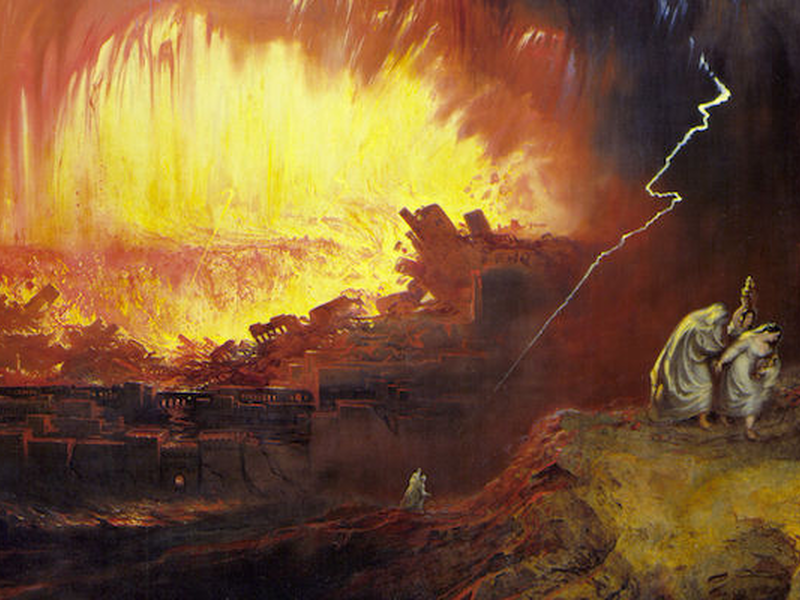
The story of Judges 19 and the subsequent chapters are some of the most shocking and appalling accounts in all of Scripture. The callousness of the old host and the Levite, and the monstrous brutality of the men of Gibeah, leaves us feebly scrabbling for words by which to surmount…

by Alastair RobertsNovember 1, 2016
david-ark-2
Biblical Theology

Adam Ascended

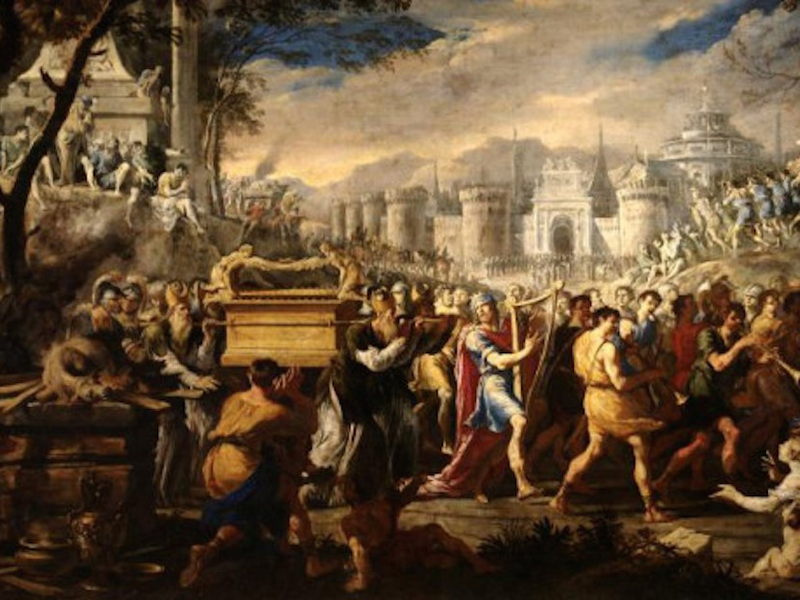
David has become king. He has conquered the capital city of Jerusalem. He has brought the ark of Yahweh into the city and placed it in a tent. He has stationed Levites at the tent to offer sacrifices of praise. An anomaly hits him: He has a cedar-paneled palace, and…

by Peter LeithartOctober 27, 2016
last-supper-2
Eucharist

The Epiclesis in the Reformed Eucharistic Prayer, 3

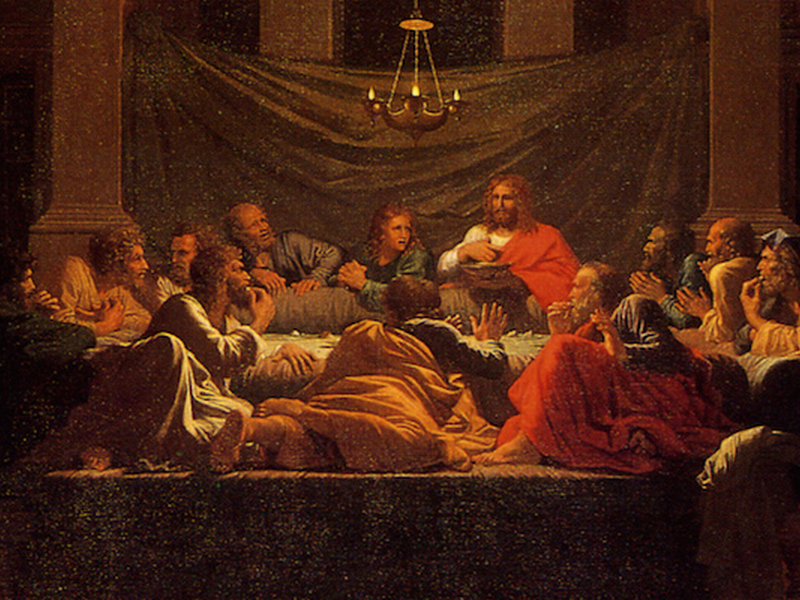
In Part 2 of this series we traced what we have of the development of the epiclesis in the liturgy of the Church. In this third and final part we’ll look at the theological implications of this and how we may apply what we’ve learned. As we saw in Part…

by Christopher KouOctober 25, 2016
jimpreaching
How to Worship

Reformational Catholicism, A Wish List

In a 2014 piece published in First Things , I offered a "wish list" for Protestant churches, a checklist for a future catholic Protestantism. The wish list doesn't cover everything. It doesn't mention those things that Protestants, especially Evangelicals, already do, often exceedingly well, things like missions and evangelism and…

by Peter LeithartOctober 20, 2016
last-supper-2
Eucharist

The Epiclesis in the Reformed Eucharistic Prayer, (Part 2)

In the first part of this series we examined the meaning of “blessing” in Scripture and its parallels in Jewish liturgical tradition, but did not find anything that we could properly call an epiclesis (an invocation of the Holy Spirit). We did find examples of invocation of Jesus to “come”…

by Christopher KouOctober 18, 2016
moses-gives-aaron-priesthood-39465-wallpaper
Baptism

Renewing Circumcision

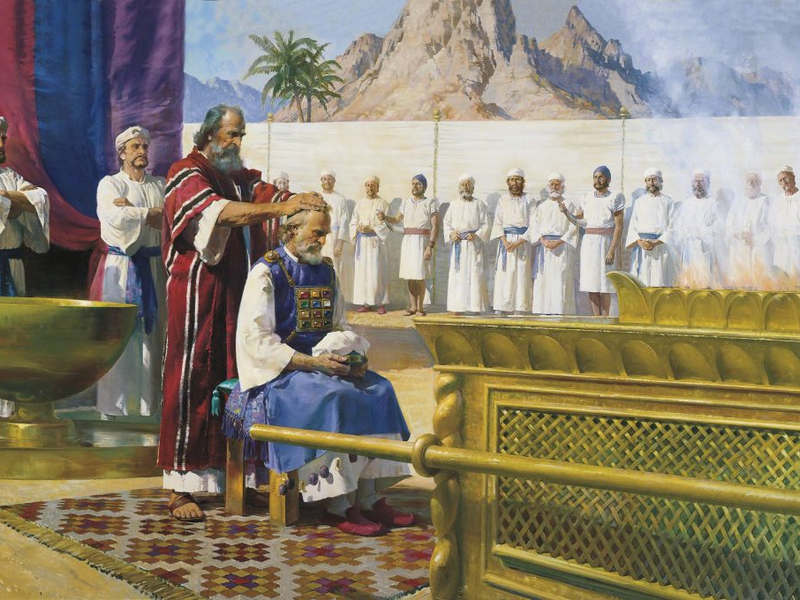
When the Aaronic priests were ordained, the blood of the ram of "filling” was placed on the lobe of the right ear, the right thumb, and the right big toe (Lev. 8:22-24). Similarly, the cleansing rite for a leper included smearing the right ear lobe, thumb, and big toe with…

by Peter LeithartOctober 13, 2016

Showing page 123 of 309

See all
See all
Philosophy

Rousseau and Voltaire

Rosenstock-Huessy’s discussion of Voltaire and Rousseau depends on his prior discussion of the role of inspired literature in the formation of a nation. They are adherents to the revolutionary creed of literary inspiration, the “cult o f an inspired literature.” He compares the two to Tolstoy and Dostoevsky, for like…

January 25, 2007
History

Paris and French Nationhood

Rosenstock-Huessy deals with a number of interrelated issues in a section of Out of Revolution dealing with Paris and the French notion of nationhood: He talks about the establishment of Paris as the intellectual center of France and of Europe; about the division between Paris and Versailles as background to…

January 25, 2007

Calvin on Baptism again

A couple of thoughts on the Calvin quotations I posted yesterday, inspired by a reader’s response. 1) Calvin appeals to his doctrine of “accommodation” to explain why the sign of baptism is necessary. God does speak in ways we can grasp; if that’s all accommodation is, fine. But it often…

January 25, 2007

Father and Son

Tom Smail’s Like Father, Like Son: The Trinity Imaged in Our Humanity (Eerdmans 2005) has a lot going for it. Written for a general Christian readership, it reflects a thorough familiarity with both tradition and contemporary work on the Trinity, and applies Trinitarian patterns to human life in interesting ways.…

January 25, 2007

Timely words

Stahmer offers this useful summary of Rosenstock-Huessy’s and Rosenzweig’s attack on “objectivity”: “For J. G. Hamann, and for all those who have accepted the sacramental qualities inherent in the frailty and tentativeness of human speech, the ambiguities and relativity of history could not possibly be denied. Both Rosenstock-Huessy and Rosenzweig…

January 24, 2007

Ahead of the Curve

In their capacity as Sprachdenkern - Speech-thinkers, Rosenstock-Huessy and Rosenzweig anticipated a number of developments in philosophy, theology, and hermeneutics. Stahmer writes, “Both Rosenzweig and Rosenstock-Huessy, but most especially the latter, can now be seen to have been hermeneutical pioneers who anticipated, by many years, the work of Martin Heidegger,…

January 24, 2007

Showing page 1729 of 2212

Browse by Category

In Medias Res

Your weekly digest for all things Theopolis.

Donate

Theopolis is nearly 100% donor-supported. Consider joining us on our mission.