Theopolis Logo

Writing

Explore our collection of theological essays, biblical studies, and reflections on faith and culture.

See all
tim-marshall-k2u71wv2ei4-unsplash
Modernity

Protestantism and the Postmodern self

Postmodernism has, we are told, “decentered” the modern self, that unified, sovereign, isolated, godlike “thinking thing” discovered by Rene Descartes. The postmodern self is not single but multiple; not sovereign but controlled by external forces; not isolated but “embedded” in the world and in relation; not godlike, but human, all…

by Peter LeithartMay 6, 2013

kiwihug-l4gw27xzn1i-unsplash
Matthew

Law and History: How to Read the Law of Moses (Part 8)

This is the eighth in a series of studies on Deuteronomy 22:30-23:8. And Jesus went out thence, and withdrew into the parts of Tyre and Sidon. And behold, a Canaanitish woman came out from those borders, and cried, saying, Have mercy on me, O Lord, thou son of David; my…

by Ralph Allan SmithMay 1, 2013
screen-shot-2023-09-20-at-7-04-07-am
Augustine

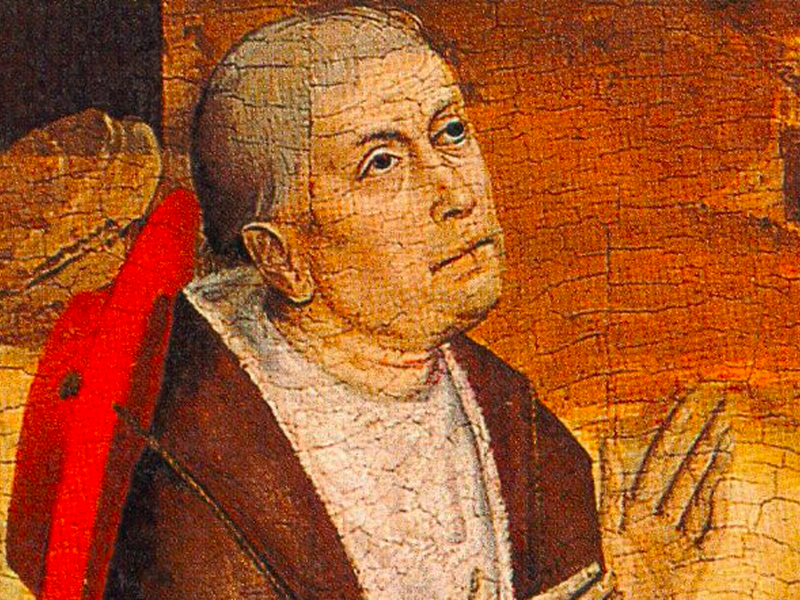
A Cusan Modernity?

The fifteenth-century German Cardinal Nicholas of Cusa led a busy and wide-ranging life. Educated in liberal arts and law at Heidelberg and Padua, Nicholas was a leading figure in the Conciliarist movement, and later served as a papal legate to both Constantinople and throughout Germany. As Bishop of Brixen, he…

by Peter LeithartApril 29, 2013
screenshot-2023-07-27-at-10-25-35-am
Deuteronomy

Law and History: How to Read the Law of Moses (Part 7)

This is the seventh in a series of studies on Deuteronomy 22:30-23:8. Thou shalt not abhor an Edomite, for he is thy brother; thou shalt not abhor an Egyptian, because thou wast a sojourner in his land. The children of the third generation that are born unto them shall enter…

by Ralph Allan SmithApril 25, 2013
ivan-aleksic-16yxcjsoaek-unsplash
Romans

What Advantage the Jew?

A sermon on Romans 3:1-8. 1 Then what advantage has the Jew? Or what is the value of circumcision? 2 Much in every way. To begin with, the Jews were entrusted with the oracles of God. A lot of people speculate here about what kind of advantage Paul is talking…

by Mark HorneApril 22, 2013
screenshot-2023-07-27-at-10-25-35-am
Deuteronomy

Law and History: How to Read the Law of Moses (Part 6)

This is the sixth in a series of studies on Deuteronomy 22:30-23:8. An Ammonite or a Moabite shall not enter into the assembly of Yahweh; even to the tenth generation shall none belonging to them enter into the assembly of Yahweh forever: because they met you not with bread and…

by Ralph Allan SmithApril 17, 2013

Showing page 195 of 309

See all
See all
Theology

Sade and the cross

Notoriously, the Marquis de Sade stole some consecrated wafers, pushed them into a prostitute’s vagina, and had sex, saying, “Avenge yourself, if you are God.” He meant this as blasphemy, and it is. But his blasphemy only shows just how insurmountable Jesus is. Sade thought himself innovative, but he only…

January 19, 2007

Holes

Individualism treats us as splendidly isolated beings, our real selves fountains of ideas and desires but impenetrable to anything from the outside. How ever did we get this idea? By ignoring the body. If the body is at all a clue to the secret of human life, it shows us…

January 18, 2007
History

Tribalism

To grasp what Rosenstock-Huessy says about tribalism, we need to recognize that he sees the tribe as one moment in the development of ancient civilization. In The Fruit of Lips, he describes the origin of the tribe: “The ancient cycle began in the primitive tribe, among a little group of…

January 18, 2007
Economics

Marxism

In his chapter on the Bolshevik Revolution, Rosenstock-Huessy spends a number of pages digressing about Marx and Marxism. The following notes summarize his treatment of Marxism. Marx, Rosenstock-Huessy begins, is the culmination of the protest against the “order of things” from within Western civilization itself. Marx is biographically well-positioned for…

January 18, 2007
Philosophy

Farewell to Descartes

Rosenstock-Huessy’s brief essay on Descartes (included in I Am An Impure Thinker, extracted from Out of Revolution) highlights a number of recurring themes in Rosenstock-Huessy’s work: He discusses his own formula, Respondeo etsi mutabor, in contrast to the cogito of Descartes; he attacks the abstractions of science and modern thought;…

January 18, 2007

Unbearable burden of Evangelicalism

Anti-sacramental, anti-ritual evangelicalism emphasizes a personal relationship with God, but tends to encourage what Anthony Giddens calls “pure relationship,” a relationship that is not tacked down with external anchors and supports. A live-in relationship, without benefit of the rites and legalities of marriage, is a pure relationship. Evangelicalism tends to…

January 18, 2007

Showing page 1733 of 2212

Browse by Category

In Medias Res

Your weekly digest for all things Theopolis.

Donate

Theopolis is nearly 100% donor-supported. Consider joining us on our mission.