Theopolis Logo

Writing

Explore our collection of theological essays, biblical studies, and reflections on faith and culture.

See all
e99a9334
Advent

Stretching Christmas

For many people Christmas comes on December 25 and is over December 26. The tree is taken down along with the lights and the other decorations, and everyone begins setting the house in order for the new year. No more Christmas hymns. No more celebrations (well, until New Year’s Eve).…

by Steve WilkinsDecember 24, 2016
ascension
Advent

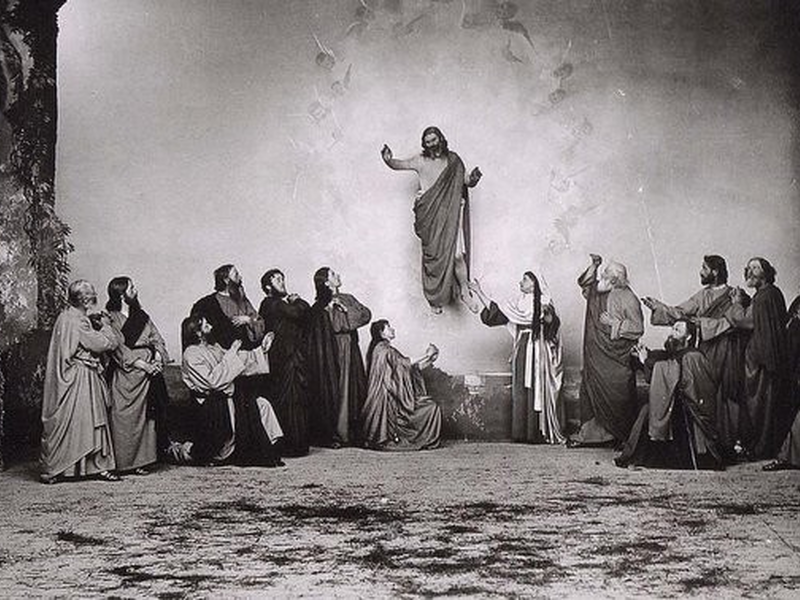
Ascension and Incarnation

The Ascension and the Incarnation should not be disconnected in our Christmas thinking or celebrations. As N.T. Wright notes, the ascension is "a central and vital feature without which all sorts of other things start to go demonstrably wrong. . . . where the ascension has been ignored or misunderstood,…

by Roy AtwoodDecember 23, 2016
nativity-rembrandt
Advent

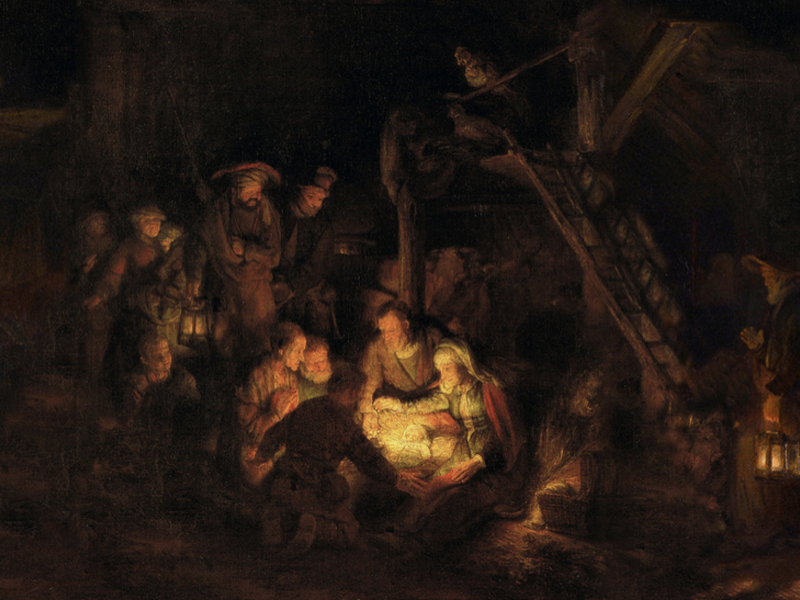
Christmas Light

“In the Word was life, and the life was the light of men. And the light shines in the darkness.” Thus John describes the incarnation of the Son. He comes as the living and life-giving light of the world. That’s good news. In the beginning, God spoke and light shone…

by Peter LeithartDecember 23, 2016
nativity-chagall
Advent

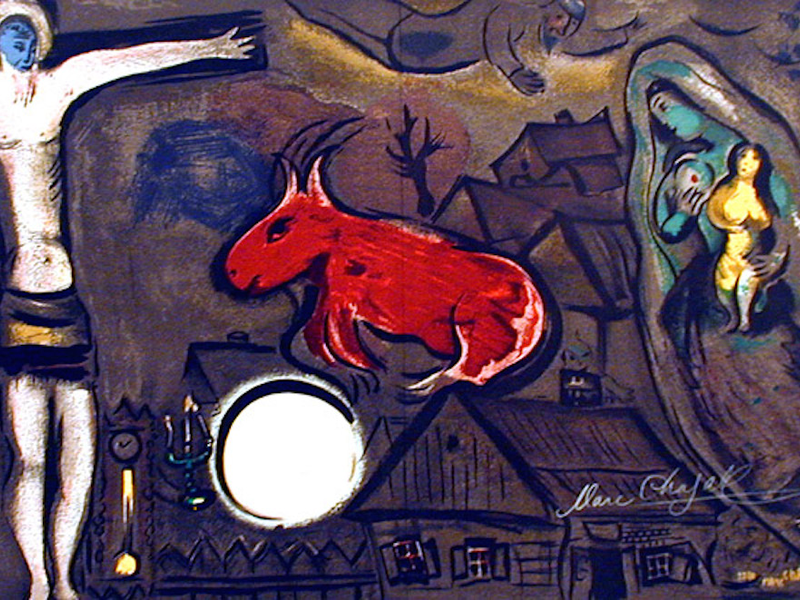
The Spirit of Christmas

Christmas is all about Jesus. The angels announce Jesus’ birth, shepherds and wise men come to see Jesus, Herod wants to kill Jesus. We occasionally think of the Father who sent the Son, but we keep returning to the Son made flesh in Bethlehem’s manger. Meanwhile, as always, the Spirit…

by Peter LeithartDecember 22, 2016
nativity
Advent

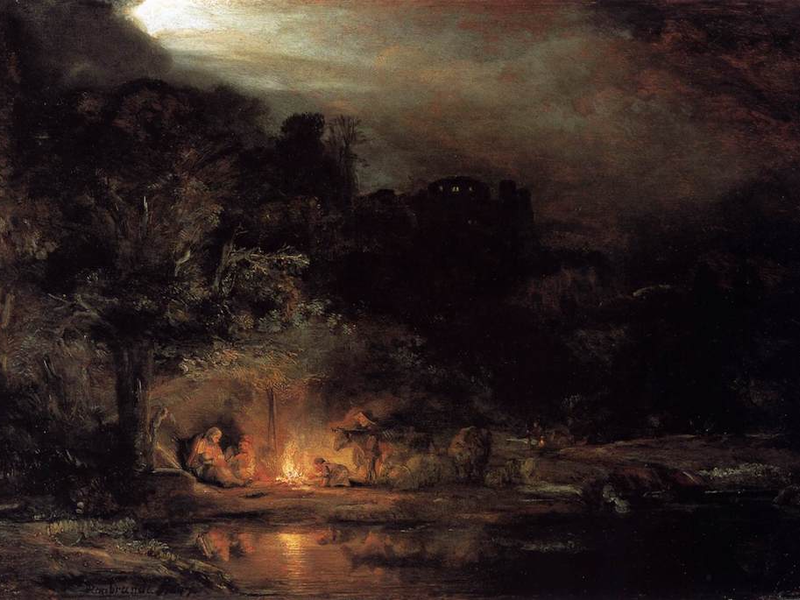
The Humility of God

Christmas is about many things, but one of the chief things revealed in the gospel of Christmas is the humility of God. We don't often think of humility as an attribute of God. If God is glorious and exalted, we think, He must be haughty and proud and self-centered. We…

by Peter LeithartDecember 21, 2016
screenshot-2025-12-15-at-8-35-45-am
Advent

Advent of Unity

John famously begins his Gospel with a piece of theology: “In the beginning was the Word, and the Word was with God, and the Word was God.” Matthew starts with a genealogy. John celebrates Advent with a hymn, Matthew with a list. For John, Jesus is the Word of creation…

by Peter LeithartDecember 20, 2016

Showing page 120 of 309

See all
See all
History

Secularization of language

In a 1980 article in the Journal of the History of Ideas Margret de Grazia helpfully described what she calls the “secularization of language” that occurred during the 17th century. Her contribution is to show that the often-noted “linguistic pessimism” of the century arose from the destruction of “the traditional…

January 10, 2007

Deritualized selves

Lori Branch links the Reformation and post-Reformation attack on ritual with the formation of the Cartesian self: “the Reformation religious subject gradually became less a participant in communal, bodily ritual action, and more and more the Cartesian cogito , an individual, inward-looking possessor of knowledge drawn from evidence and analysis.…

January 10, 2007

Knowledge and Love

1 John 4:8 says that the one who does not love does not know God because God is love. This might be legitimately read as: God is love; knowing God therefore necessarily involves knowing love; therefore, the one who does not know love does not know God. But that’s not…

January 9, 2007

Savior of the World

The Son is sent to be savior of the world (1 John 4:14). And it’s only as the only-begotten Son that He can be Savior. This is true in the usual sense that Jesus is the “contact point” between God and man. But it’s also true in a more subtle…

January 9, 2007

Only begotten

John uses the phrase “only begotten” ( monogenes ) four times in his gospel (1:14, 18; 3:15, 18). (I’m assuming here the controversial point that the phrase does mean “only begotten.”) He uses it only once in his first epistle: God’s love is manifest in the fact that “God has…

January 9, 2007

Loving discernment, discerning love

Commentators sometimes suggest that 1 John 4:1-6 marks a rupture in John’s argument. 3:23 speaks of love as a commandment of God, but there is no mention of love in 4:1-6, which discusses testing the spirits and the warfare between the Spirit of God and the spirits of the world.…

January 9, 2007

Showing page 1738 of 2212

Browse by Category

In Medias Res

Your weekly digest for all things Theopolis.

Donate

Theopolis is nearly 100% donor-supported. Consider joining us on our mission.