Theopolis Logo

Writing

Explore our collection of theological essays, biblical studies, and reflections on faith and culture.

See all
tim-marshall-k2u71wv2ei4-unsplash
Modernity

Protestantism and the Postmodern self

Postmodernism has, we are told, “decentered” the modern self, that unified, sovereign, isolated, godlike “thinking thing” discovered by Rene Descartes. The postmodern self is not single but multiple; not sovereign but controlled by external forces; not isolated but “embedded” in the world and in relation; not godlike, but human, all…

by Peter LeithartMay 6, 2013

kiwihug-l4gw27xzn1i-unsplash
Matthew

Law and History: How to Read the Law of Moses (Part 8)

This is the eighth in a series of studies on Deuteronomy 22:30-23:8. And Jesus went out thence, and withdrew into the parts of Tyre and Sidon. And behold, a Canaanitish woman came out from those borders, and cried, saying, Have mercy on me, O Lord, thou son of David; my…

by Ralph Allan SmithMay 1, 2013
screen-shot-2023-09-20-at-7-04-07-am
Augustine

A Cusan Modernity?

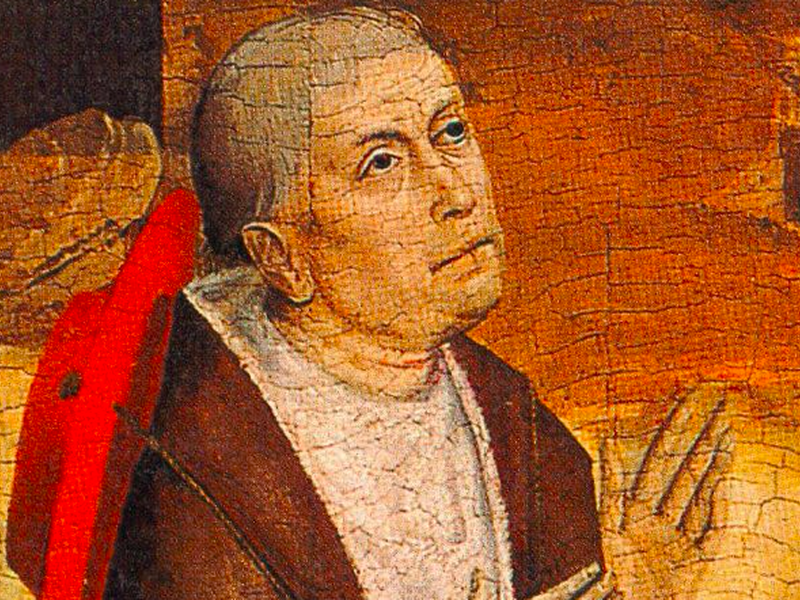
The fifteenth-century German Cardinal Nicholas of Cusa led a busy and wide-ranging life. Educated in liberal arts and law at Heidelberg and Padua, Nicholas was a leading figure in the Conciliarist movement, and later served as a papal legate to both Constantinople and throughout Germany. As Bishop of Brixen, he…

by Peter LeithartApril 29, 2013
screenshot-2023-07-27-at-10-25-35-am
Deuteronomy

Law and History: How to Read the Law of Moses (Part 7)

This is the seventh in a series of studies on Deuteronomy 22:30-23:8. Thou shalt not abhor an Edomite, for he is thy brother; thou shalt not abhor an Egyptian, because thou wast a sojourner in his land. The children of the third generation that are born unto them shall enter…

by Ralph Allan SmithApril 25, 2013
ivan-aleksic-16yxcjsoaek-unsplash
Romans

What Advantage the Jew?

A sermon on Romans 3:1-8. 1 Then what advantage has the Jew? Or what is the value of circumcision? 2 Much in every way. To begin with, the Jews were entrusted with the oracles of God. A lot of people speculate here about what kind of advantage Paul is talking…

by Mark HorneApril 22, 2013
screenshot-2023-07-27-at-10-25-35-am
Deuteronomy

Law and History: How to Read the Law of Moses (Part 6)

This is the sixth in a series of studies on Deuteronomy 22:30-23:8. An Ammonite or a Moabite shall not enter into the assembly of Yahweh; even to the tenth generation shall none belonging to them enter into the assembly of Yahweh forever: because they met you not with bread and…

by Ralph Allan SmithApril 17, 2013

Showing page 195 of 309

See all
See all

Sermon notes, Second Sunday After Epiphany

INTRODUCTION John frequently exhorts his readers to love one another (2:10; 3:10, 11, 23), and speaks of God’s love for us (3:1). Here, he connects these two loves inseparably. The noun or verb “love” is used 27 times (3 x 3 x 3) in this chapter, and twice he addresses…

January 8, 2007

Gnostic bodies

Nothing seems as anti-gnostic as the contemporary obsession with bodily perfection. We can remold our bodies in any way we want - tuck in here, enhance there, replant hair and remold biceps, remove wrinkles and signs of aging. In fact, this obsession is completely gnostic. It attempts to side-step the…

January 7, 2007

Eucharistic exhortation, First Sunday After Epiphany

1 John 4:2: Every spirit that confesses that Jesus Christ has come in the flesh is from God. Why do we have this meal? The simple answer is that Jesus commanded it. But why did He command it? After all, aren’t we in the New Covenant, which is a Spiritual…

January 7, 2007

Exhortation, First Sunday After Epiphany

Yesterday, January 6, was Epiphany, the beginning of one of the traditional seasons of the church year. The word “epiphany” means “manifestation” or “revelation.” Advent celebrates the coming of the Lord; Epiphany, His revelation. We need both. If God comes to us, but remains veiled and incognito, we will never…

January 7, 2007
Philosophy

Idealism to Textualism

In a 1980 essay, Richard Rorty offers a quick overview of the development of European thought from idealism through romanticism and pragmatism to what he calls textualism. The two ends of this development, idealism and textualism, are similar in various ways: both are antagonistic toward science, both claim that we…

January 7, 2007
Theology

Theology from the margins

Lubac is by all accounts one of the great Catholic theologians of the past century, and one of the most influential. He never worked on a dissertation, and because of the disruptions of war never went through a great deal of the formal training expected of Jesuits. He was eventually…

January 6, 2007

Showing page 1739 of 2212

Browse by Category

In Medias Res

Your weekly digest for all things Theopolis.

Donate

Theopolis is nearly 100% donor-supported. Consider joining us on our mission.