
Theopolis Logo

Writing

Explore our collection of theological essays, biblical studies, and reflections on faith and culture.

See all
kalen-emsley-bkci_8qcdvq-unsplash-1
Biblical Horizons

The Sequence of Events in the Creation Week

To begin with the source of this narrative: Since no human being was present to observe these events, we must assume that this narrative was revealed directly by God to a human author. There are three ways this might have happened. First, we might read, "God said to Abraham (or…

by James B. JordanOctober 23, 1997
eq9mnztemoq7lwjacsh3ss
Biblical Horizons

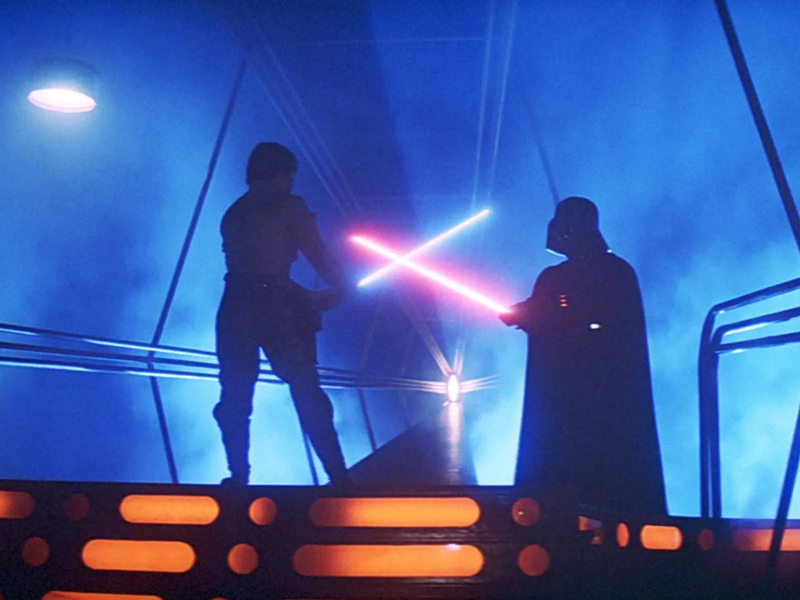
The Empire Strikes Back

The Empire Strikes Back is a movie most of us have seen more than once. It is generally regarded as the best of the three Star Wars films, which is probably due to the fact that unlike the other two, The Empire Strikes Back made use of the services of…

by James B. JordanOctober 4, 1997
lili-popper-lu15z1m_kfm-unsplash
Biblical Chronology

The Sequence of Events in the Creation Week, Part 1

Now that we have examined three unacceptable approaches to the events recorded in Genesis 1, it is only fair for me to set out what does seem to be recorded there. To begin with the source of this narrative: Since no human being was present to observe these events, we…

by James B. JordanOctober 4, 1997
raphael-schaller-gkincd2eniy-unsplash-6
Biblical Horizons

Cracking Up the “Bible Code”

Two books on the "Bible Code" have appeared this year. The first, a current bestseller, is Michael Drosnin’s The Bible Code (Drosnin, 1997). The other is Cracking the Bible Code (William Morrow, 1997), by Jeffrey Satinover, known to Christians for his outstanding 1996 book Homosexuality and the Politics of Truth…

by James B. JordanOctober 4, 1997
hannah-busing-0v6dmtujaik-unsplash
American Culture

The Case Against Western Civilization, Part 1

Part 1: Introduction The collapse of the Western tradition in the United States, seen in the hostility to Christianity in government and education, and the elimination of "traditional" or "canon" learning from our institutions of middle and higher learning, provides a crisis and an opportunity for serious believers at the…

by James B. JordanOctober 4, 1997
amjd-rdwan-erymmvvsy1y-unsplash-1
Theologia

Why Will You Die?

A Brief Defense of John Murray’s “the Free Offer of the Gospel,” & A Question About the Extent of the Atonement John Murray (1898-1975) is probably the last of the great American theologians; he belonged in the same set as that which contains such eminent Presbyterians as Charles Hodge and…

by Mark HorneOctober 3, 1997

Showing page 253 of 309

See all
See all

Sermon notes, Second Sunday After Epiphany

INTRODUCTION John frequently exhorts his readers to love one another (2:10; 3:10, 11, 23), and speaks of God’s love for us (3:1). Here, he connects these two loves inseparably. The noun or verb “love” is used 27 times (3 x 3 x 3) in this chapter, and twice he addresses…

January 8, 2007

Gnostic bodies

Nothing seems as anti-gnostic as the contemporary obsession with bodily perfection. We can remold our bodies in any way we want - tuck in here, enhance there, replant hair and remold biceps, remove wrinkles and signs of aging. In fact, this obsession is completely gnostic. It attempts to side-step the…

January 7, 2007

Eucharistic exhortation, First Sunday After Epiphany

1 John 4:2: Every spirit that confesses that Jesus Christ has come in the flesh is from God. Why do we have this meal? The simple answer is that Jesus commanded it. But why did He command it? After all, aren’t we in the New Covenant, which is a Spiritual…

January 7, 2007

Exhortation, First Sunday After Epiphany

Yesterday, January 6, was Epiphany, the beginning of one of the traditional seasons of the church year. The word “epiphany” means “manifestation” or “revelation.” Advent celebrates the coming of the Lord; Epiphany, His revelation. We need both. If God comes to us, but remains veiled and incognito, we will never…

January 7, 2007
Philosophy

Idealism to Textualism

In a 1980 essay, Richard Rorty offers a quick overview of the development of European thought from idealism through romanticism and pragmatism to what he calls textualism. The two ends of this development, idealism and textualism, are similar in various ways: both are antagonistic toward science, both claim that we…

January 7, 2007
Theology

Theology from the margins

Lubac is by all accounts one of the great Catholic theologians of the past century, and one of the most influential. He never worked on a dissertation, and because of the disruptions of war never went through a great deal of the formal training expected of Jesuits. He was eventually…

January 6, 2007

Showing page 1739 of 2212

Browse by Category

In Medias Res

Your weekly digest for all things Theopolis.

Donate

Theopolis is nearly 100% donor-supported. Consider joining us on our mission.