Theopolis Logo

Writing

Explore our collection of theological essays, biblical studies, and reflections on faith and culture.

See all
mountains
American Culture

Gerazim and Ebal

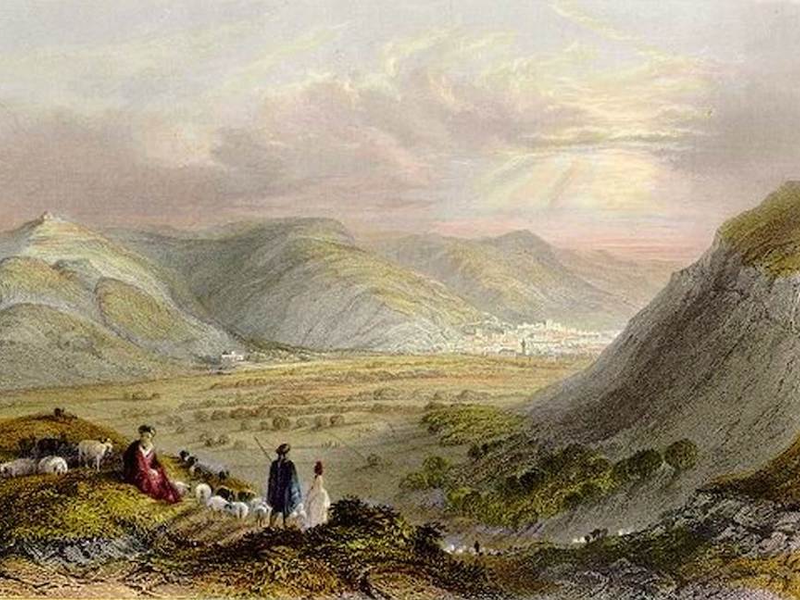
Place names become fraught with meaning by association with people and events. The name “Wittenberg” calls to mind Luther and the Reformation for Protestants and Catholics alike. Geneva has a wider range of associations, but the Reformation Wall, with its four main statues of William Farel, John Calvin, Theodore Beza,…

by Ralph Allan SmithFebruary 16, 2017

screen-shot-2017-02-14-at-7-59-35-am
Art

Tomboys and Totems

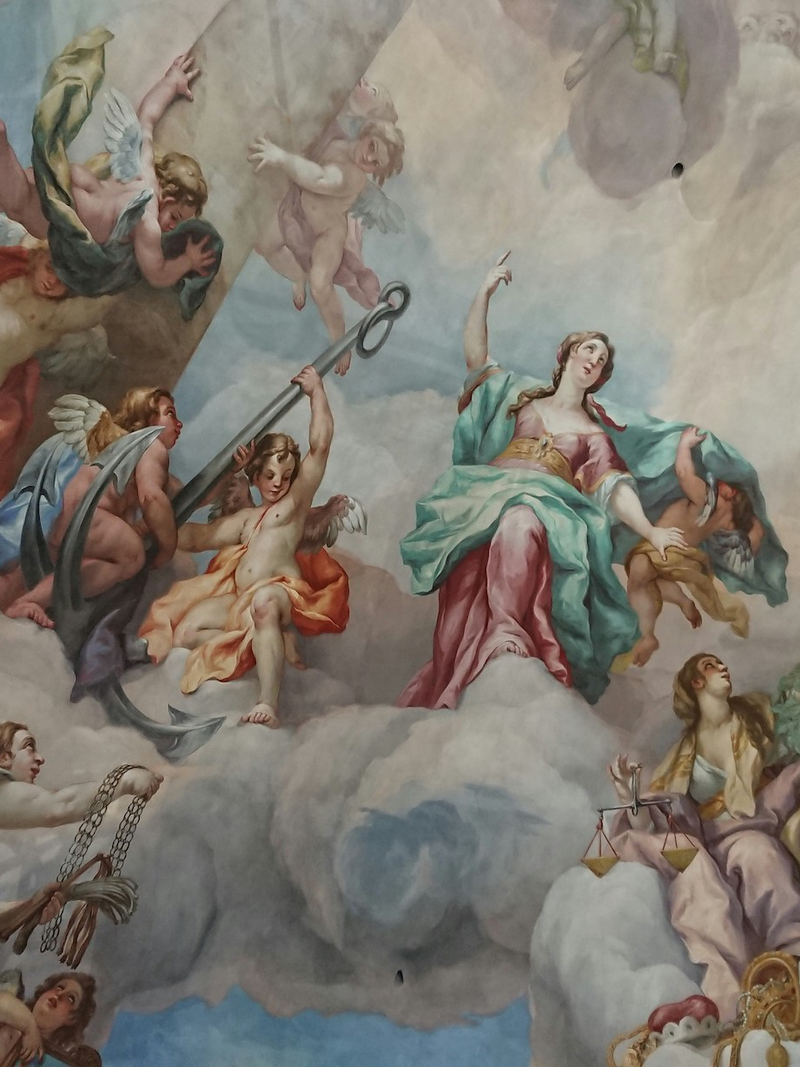
“…a mystery without a solution, a horror story without savagery, a nightmare in which all the watches stop at noonday…” The Bestial Gardens of Men Then they will say to the mountains, “Fall on us!” and to the hills, “Cover us!” (Luke 23:30) The following lines by Edgar Allan Poe,…

by Mike BullFebruary 14, 2017
aaron-burden-1ebsmyrau-s-unsplash
Biblical Studies

The Structure and Typology of the Bathsheba Incident

2 Samuel 11-12, which record David’s sin with Bathsheba and its aftermath, is structured chiastically: This arrangement highlights several things about the episode. It reinforces what is obvious from even a casual reading, that the transition in the story occurs with Nathan’s confrontation of David’s sin and David’s confession. Up…

by James B. JordanFebruary 8, 2017
bestiary
Anthropology

Anthropomorphism and Christian Humanism

Medieval bestiaries are packed with quaintly inaccurate information about animals, birds, and other created things. Foxes and snakes are devilish critters; stags, pelicans and elephants are Christlike in their various ways. Of course, the medievals picked this up from the Bible, where bestiary observations are fairly common. “Go to the…

by Peter LeithartFebruary 2, 2017
beer
Beer

The End of Beerocracy

What do Reformational Catholicism and craft beer have in common? The question seems to beg for a punchline. Better yet, it would be pretty good clickbait for an article on Katharina von Bora’s “spirited” contribution that helped spark the Protestant Reformation. Well, this is no joke and I am certainly…

by John CrawfordJanuary 31, 2017
calvin
Pastoral Ministry

Calvin and Pastoral Care

Suffering Defined Suffering happens. We witness it all around us and experience it in our lives. It often comes from forces beyond our control. Suffering is inscrutable; it strikes unexpectedly, on a bright summer day or a cold winter night. We lament and are bewildered by suffering. But we are…

by Uri BritoJanuary 26, 2017

Showing page 117 of 309

See all
See all

Thy Word is Truth

Near the end of his prayer in 2 Samuel 7, David confesses his confidence in Yahweh’s promises concerning David’s house, saying “Thy words are truth” (v. 28). Jesus echoes this words in John 17:17. The connection seems to be a fruitful one, and perhaps there are more verbal links than…

January 5, 2007

Rigor

I and many of my friends have been criticized for our supposed lack theological rigor. It’s meant as an insult. I take it as a compliment. Rigor has its place. But it’s not the be and end all of theology. A Turretin is necessary for consolidating a Reformation. He could…

January 5, 2007

Proverbs 16:20-24

INTRODUCTION 16:20 starts a new section of the chapter, as Solomon returns again to the issue of speech. Waltke sees two sections here, verses 20-24 and 25-30. The first section focuses on the benefits of wise and winning speech, while the second section focuses negatively on destructive speech. Verse 20…

January 5, 2007
Art

Genius critics

Artists never accepted the attribution of genius as readily as theorists and bourgeois admirers applied it. Artists knew too much about the recalcitrantly physical qualities of words, paint, stone, ink, and sounds for that. Artists are as interested in technique as in inspirations. But for Kant genius was the criterion…

January 4, 2007
History

History of purity

Gadamer says, “One day someone should write the history of ‘purity.’” He cites one H. Sedlmayr, who “refers to Calvinistic purism and the deism of the Enlightenment.” Kant would play a key role: He “linked himself directly with the classical Pythagorean and Platonic doctrine of purity.” Gadamer wonders whether “Platonism…

January 4, 2007
Philosophy

Seeing as

Contrary to empiricism, perception is never pure, never merely a response to stimulus. That it is is merely a kind of “epistmological dogmatism” (Gadamer), which can only be defended if all instinct and fantasy is removed. In actual life, we never perceive without instinct or fantasy, and so “pure perception,…

January 4, 2007

Showing page 1741 of 2212

Browse by Category

In Medias Res

Your weekly digest for all things Theopolis.

Donate

Theopolis is nearly 100% donor-supported. Consider joining us on our mission.