Theopolis Logo

Writing

Explore our collection of theological essays, biblical studies, and reflections on faith and culture.

See all
e99a9334
Advent

Stretching Christmas

For many people Christmas comes on December 25 and is over December 26. The tree is taken down along with the lights and the other decorations, and everyone begins setting the house in order for the new year. No more Christmas hymns. No more celebrations (well, until New Year’s Eve).…

by Steve WilkinsDecember 24, 2016
ascension
Advent

Ascension and Incarnation

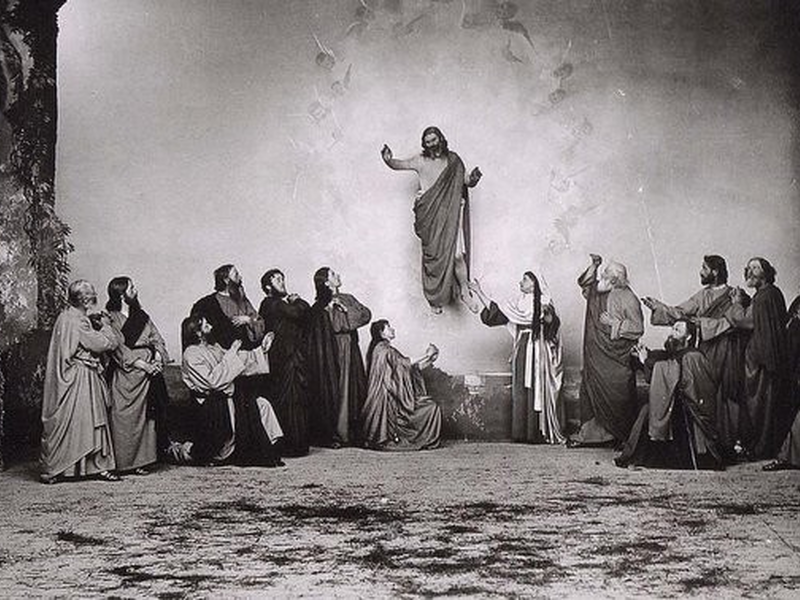
The Ascension and the Incarnation should not be disconnected in our Christmas thinking or celebrations. As N.T. Wright notes, the ascension is "a central and vital feature without which all sorts of other things start to go demonstrably wrong. . . . where the ascension has been ignored or misunderstood,…

by Roy AtwoodDecember 23, 2016
nativity-rembrandt
Advent

Christmas Light

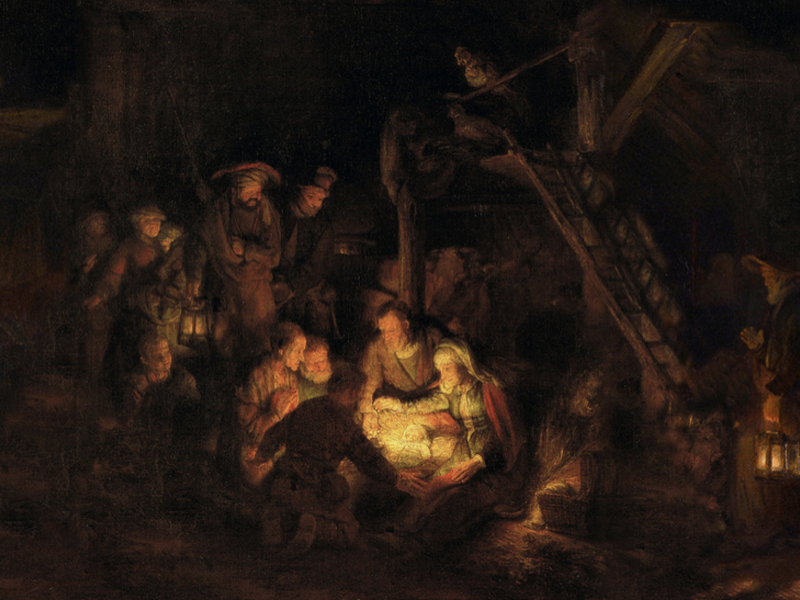
“In the Word was life, and the life was the light of men. And the light shines in the darkness.” Thus John describes the incarnation of the Son. He comes as the living and life-giving light of the world. That’s good news. In the beginning, God spoke and light shone…

by Peter LeithartDecember 23, 2016
nativity-chagall
Advent

The Spirit of Christmas

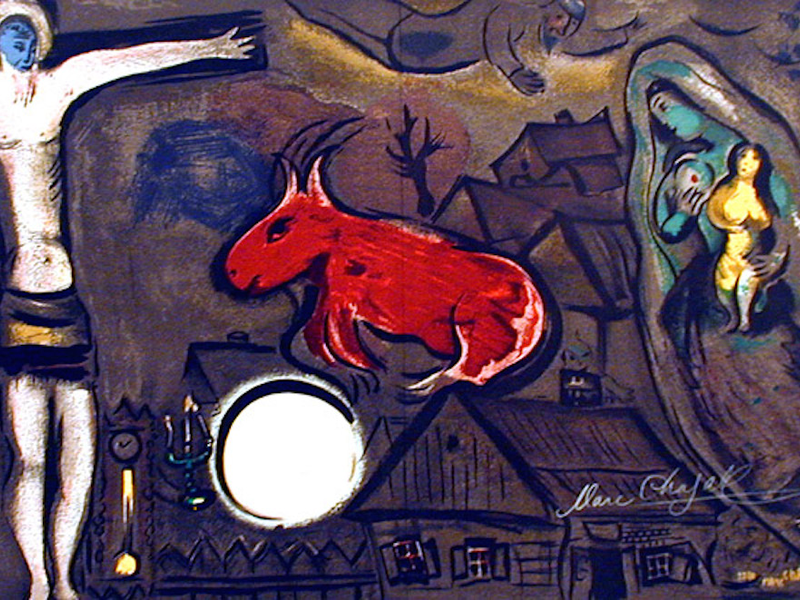
Christmas is all about Jesus. The angels announce Jesus’ birth, shepherds and wise men come to see Jesus, Herod wants to kill Jesus. We occasionally think of the Father who sent the Son, but we keep returning to the Son made flesh in Bethlehem’s manger. Meanwhile, as always, the Spirit…

by Peter LeithartDecember 22, 2016
nativity
Advent

The Humility of God

Christmas is about many things, but one of the chief things revealed in the gospel of Christmas is the humility of God. We don't often think of humility as an attribute of God. If God is glorious and exalted, we think, He must be haughty and proud and self-centered. We…

by Peter LeithartDecember 21, 2016
screenshot-2025-12-15-at-8-35-45-am
Advent

Advent of Unity

John famously begins his Gospel with a piece of theology: “In the beginning was the Word, and the Word was with God, and the Word was God.” Matthew starts with a genealogy. John celebrates Advent with a hymn, Matthew with a list. For John, Jesus is the Word of creation…

by Peter LeithartDecember 20, 2016

Showing page 120 of 309

See all
See all

Thy Word is Truth

Near the end of his prayer in 2 Samuel 7, David confesses his confidence in Yahweh’s promises concerning David’s house, saying “Thy words are truth” (v. 28). Jesus echoes this words in John 17:17. The connection seems to be a fruitful one, and perhaps there are more verbal links than…

January 5, 2007

Rigor

I and many of my friends have been criticized for our supposed lack theological rigor. It’s meant as an insult. I take it as a compliment. Rigor has its place. But it’s not the be and end all of theology. A Turretin is necessary for consolidating a Reformation. He could…

January 5, 2007

Proverbs 16:20-24

INTRODUCTION 16:20 starts a new section of the chapter, as Solomon returns again to the issue of speech. Waltke sees two sections here, verses 20-24 and 25-30. The first section focuses on the benefits of wise and winning speech, while the second section focuses negatively on destructive speech. Verse 20…

January 5, 2007
Art

Genius critics

Artists never accepted the attribution of genius as readily as theorists and bourgeois admirers applied it. Artists knew too much about the recalcitrantly physical qualities of words, paint, stone, ink, and sounds for that. Artists are as interested in technique as in inspirations. But for Kant genius was the criterion…

January 4, 2007
History

History of purity

Gadamer says, “One day someone should write the history of ‘purity.’” He cites one H. Sedlmayr, who “refers to Calvinistic purism and the deism of the Enlightenment.” Kant would play a key role: He “linked himself directly with the classical Pythagorean and Platonic doctrine of purity.” Gadamer wonders whether “Platonism…

January 4, 2007
Philosophy

Seeing as

Contrary to empiricism, perception is never pure, never merely a response to stimulus. That it is is merely a kind of “epistmological dogmatism” (Gadamer), which can only be defended if all instinct and fantasy is removed. In actual life, we never perceive without instinct or fantasy, and so “pure perception,…

January 4, 2007

Showing page 1741 of 2212

Browse by Category

In Medias Res

Your weekly digest for all things Theopolis.

Donate

Theopolis is nearly 100% donor-supported. Consider joining us on our mission.