Theopolis Logo

Writing

Explore our collection of theological essays, biblical studies, and reflections on faith and culture.

See all
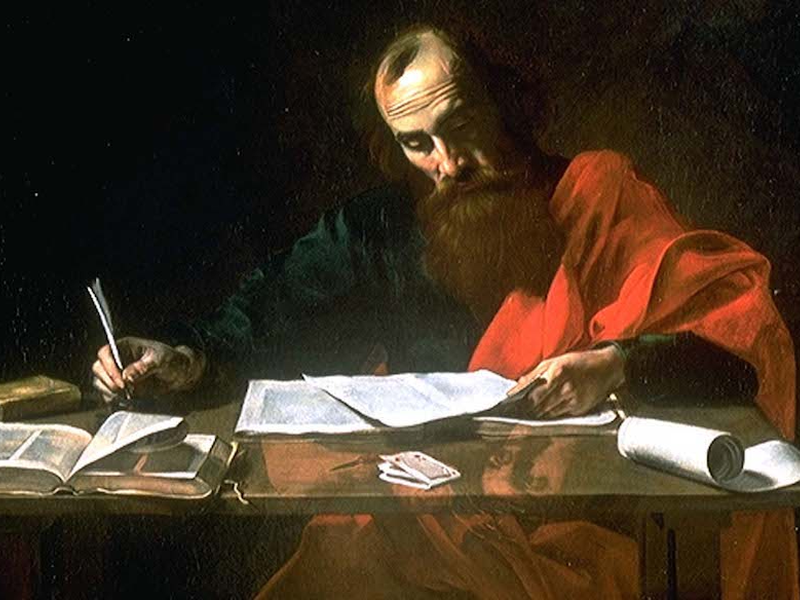
paul-2
Romans

Notes on Scary Stuff in Romans 9

What shall we say then? Is there injustice on God’s part? By no means! For he says to Moses, “I will have mercy on whom I have mercy, and I will have compassion on whom I have compassion.” So then it depends not on human will or exertion, but on…

by Mark HorneFebruary 5, 2015
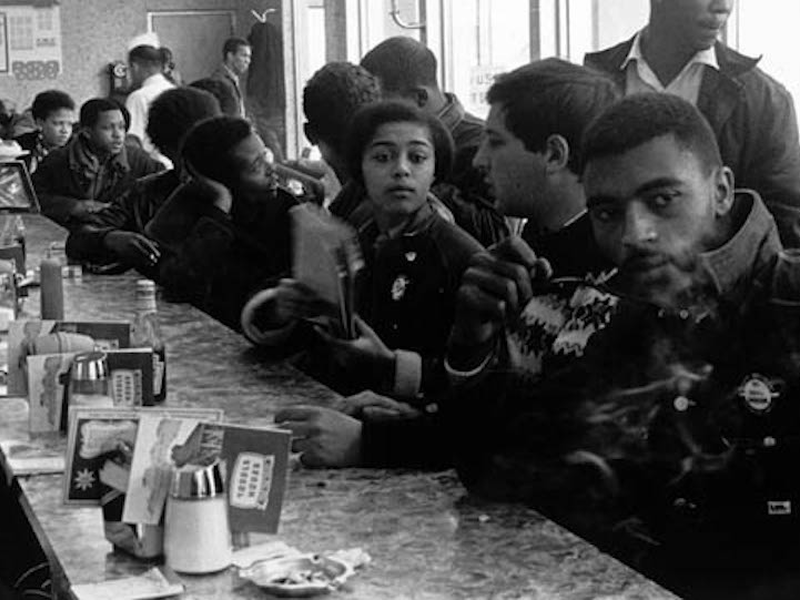
lunch-counter
American Politics

Covenants of Exclusion

A hundred years ago, William Warley signed a contract to buy a house in Louisville, Kentucky from Charles Buchanan, a white man. Before closing the sale, Warley, who was black, learned that the lot was subject to a city ordinance barring blacks from occupying the premises if most of the…

by Brendan O'DonnellFebruary 3, 2015
shakespeare-2
Literature

The Bard and the Book

I concluded the first essay on this topic by saying that I would introduce three books about Shakespeare and the Bible, but I decided to introduce four instead. The three books become four are: Naseeb Shaheen, Biblical References in Shakespeare’s Plays (London: Associated University Presses, 1999) ; Hannibal Hamlin, The…

by Ralph Allan SmithJanuary 29, 2015
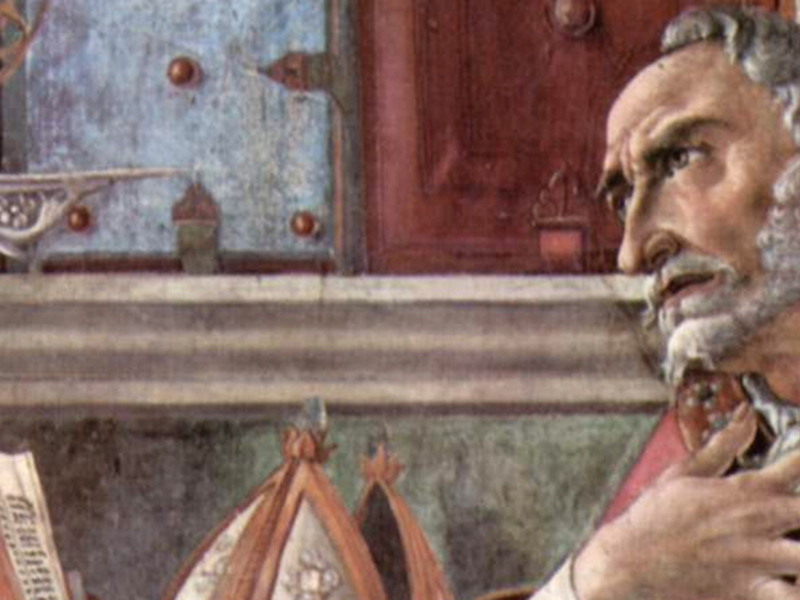
augustine-2
Augustine

Augustine on Pagan Virtue

My children attend a classical Christian school, situated in the independent “free church” evangelical tradition. Over the past few years they have been growing in their acquaintance with the world of Homer, Plato, Virgil, and Livy. They enjoy it, and I envy it. The school is a great school. My…

by Gerald HiestandJanuary 27, 2015
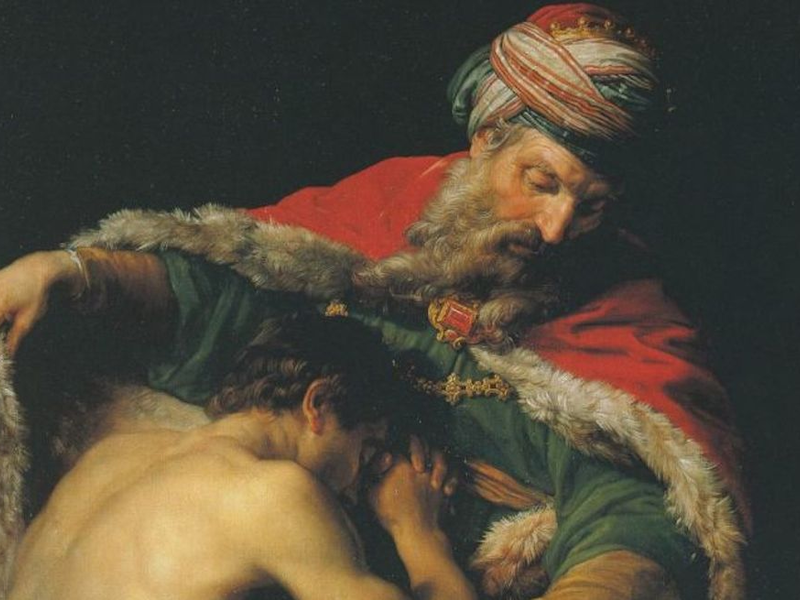
prodigal-son
Atonement

The Prodigal and the Cross

The Prodigal Son parable (Luke 15) has been a favorite of liberal theologians for a couple of centuries. It seems to be a parable designed for liberal sensibilities: An indulgent, accepting Father; forgiveness extended without a cross; a surly older brother who might represent the "conservative" face of religion who…

by Peter LeithartJanuary 22, 2015
sky-from-bridge
Ascension

Underground Man, Ascended Man

“I want now to tell you, gentlemen, whether you care to hear it or not, why I could not even become an insect. I tell you solemnly, that I have many times tried to become an insect. But I was not equal even to that. I swear, gentlemen, that to…

by Richard BledsoeJanuary 20, 2015

Showing page 161 of 309

See all
See all
History

St. Abraham

Rosenstock-Huessy strikingly sees the spirit of Francis in the person of Abraham Lincoln: “When Lincoln, as President and Commander-in-Chief of a victorious army, walked into Richmond in 1865, on foot, without escort, St. Francis had conquered the powers of this earth. In Siberia, in Egypt, people would whisper that old…

January 3, 2007
History

Reformation of gift

Natalie Zelmon Davis writes, “In a profound sense, the religious reformations of the sixteenth century were a quarrel about gifts, that is, about whether humans can reciprocate to God, about whether humans can put God under obligation, and about what this means for what people should give to each other.”

January 3, 2007

As if it were planned

Few areas of theology have been as ridiculed in modern times as eschatology. Antichrists, dragons, beasts, final judgments - it’s all superlatively mythological for modern rationalists. Sometime in the early part of the twentieth century, however, New Testament scholars began rediscovering the centrality of eschatology in NT theology. For some,…

January 3, 2007
Economics

Work and teaching

Discussing the separation of workplace and home, Rosenstock-Huessy makes the striking observation that this divide separates labor from a man’s “right to teach, once the supreme value of a master’s earthly life.”

January 3, 2007
History

Exorcising the family

The Protestant Reformation had well-known effects on the nuclear family, but Rosenstock-Huessy notes that a parallel movement occurred in the Roman Catholic church after 1500, when Catholics began to “lay far more stress on the cult of St. Joseph and on the conception of the Holy Family.” As a result,…

January 3, 2007
History

Childbirth again

In The Christian Future , Rosenstock-Huessy again makes some passing comments about childbirth. He is talking about the character of suburban life, its ethnic and economic uniformity, its placid and indifferent external peacefulness that hides, he claims, desperate inner conflicts. For Rosenstock-Huessy, the whole situation is summarized by the fact…

January 3, 2007

Showing page 1743 of 2212

Browse by Category

In Medias Res

Your weekly digest for all things Theopolis.

Donate

Theopolis is nearly 100% donor-supported. Consider joining us on our mission.