Theopolis Logo

Writing

Explore our collection of theological essays, biblical studies, and reflections on faith and culture.

See all
nativity-2
Advent

Joyful Humility

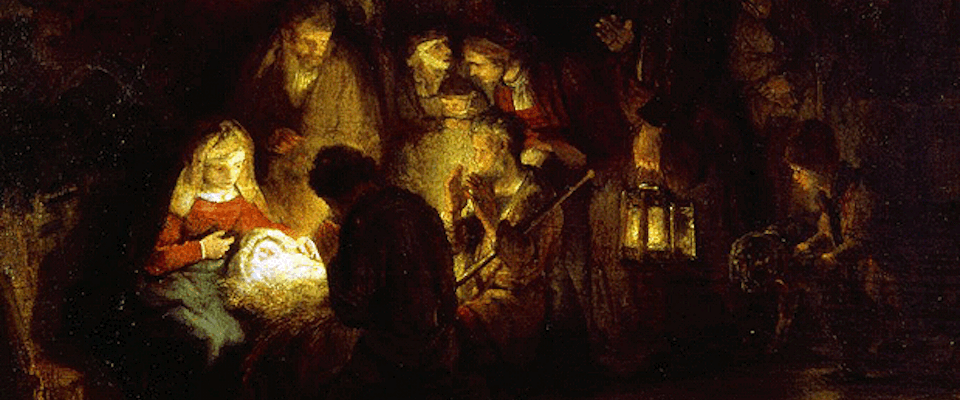
Christmas is a joyful season, but for many it turns into something else. Instead of joy, it is full of disappointment and unhappiness. Instead of an occasion for family fellowship, it becomes an opportunity for opening old wounds, reigniting old arguments, giving new life to rancor that should have died…

by Peter LeithartDecember 19, 2016

sagradafamilia-crop
Biblical Theology

Systematic Typology (Part Five)

The Temple of Time The “covenant-literary matrix” of the Bible is not a pattern imposed upon the text, but the internal logic of its arrangement. This fundamental structure, functioning at multiple levels simultaneously, is a ceaseless reiteration of God’s primary theme. It is an algorithm forged in the furnace of…

by Mike BullDecember 16, 2016
img_1456
Hermeneutics

Exodus in 1 Kings

In the four hundred and eightieth year after the Exodus, Solomon began to build the temple of the Lord in Jerusalem. [1] That the author of Kings should date the start of the building of the temple from the Exodus is noteworthy. In Exodus 15:17, in Moses’ song following the…

by Alastair RobertsDecember 8, 2016
cross-grunwald
Cross

How Mist Gains Weight

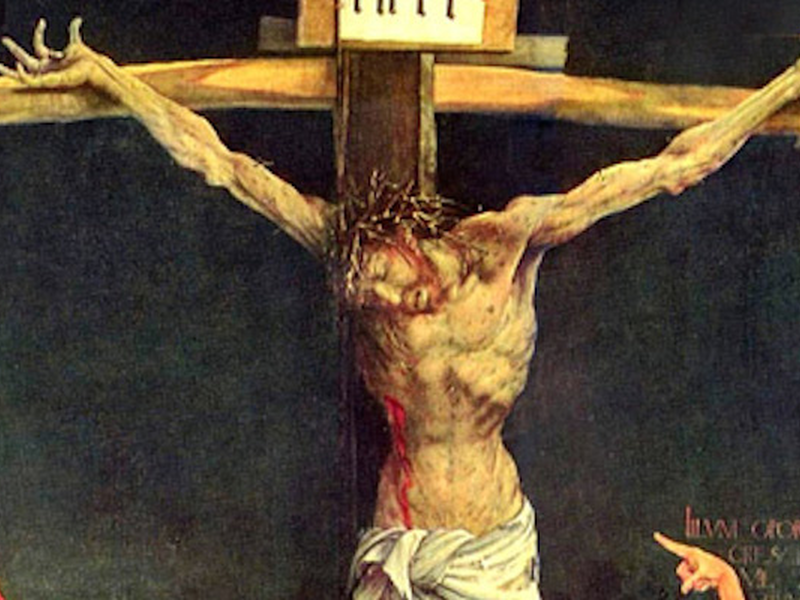
Philip Schaff, a German Reformed theologian, states in The Principle of Protestantism that the material principle of Protestantism is “the doctrine of the justification of the sinner before God by the merit of Christ alone through faith.” This is the core message of the Church which leads “to the abandonment…

by Bogumil JarmulakDecember 6, 2016
mountain-top
Biblical Theology

Jesus and Godel's Theorem

“Religion” is an attempt to create or build a tower with a top, or to build a temple that is self-contained. The story of The Tower of Babel in Genesis 11 is the story of mankind’s attempt to create a world that is self-contained and does not need God. All…

by Richard BledsoeDecember 1, 2016
four-evangelists
Matthew

Dating Matthew, (Part 2)

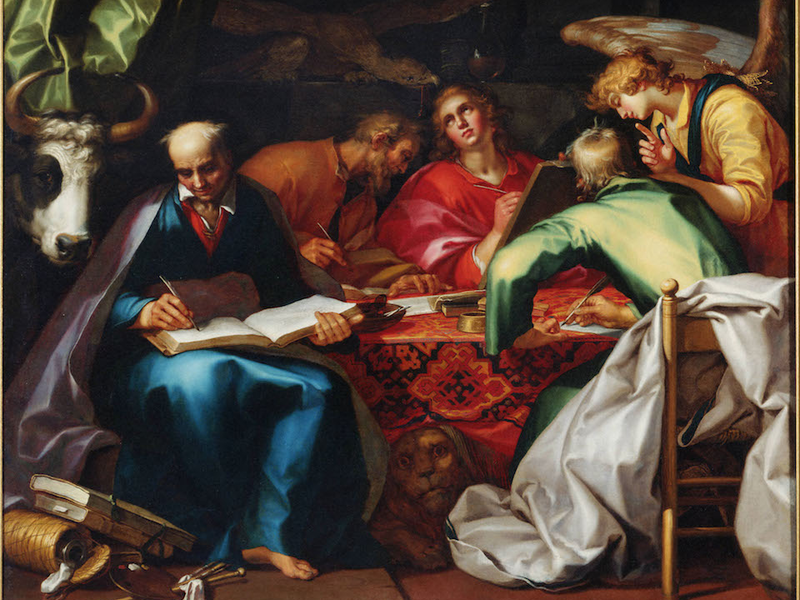
In the first essay in this series, I presented a case for dating Matthew before AD 70, contrary to the present scholarly consensus. In this essay, I intend to present cultural, personal, ecclesiological, and theological arguments for a very early date for Matthew. [1] The cultural argument concerns literacy in…

by Ralph Allan SmithNovember 29, 2016

Showing page 121 of 309

See all
See all

The Church and Civil Power

The church’s stance with regard to civil order is neatly articulated in Romans, provided we read chapters 12-13 together. Romans 13 makes it clear that God has given rulers the sword, and that they are to use it for just vengeance. They bear the sword to punish evildoers and to…

May 17, 2017
Liberalism

Limitless Liberalism

D espite its claims to the contrary, Patrick Deneen writes in a 2014 piece in The American Conservative , “liberalism was never about ‘limited' government” or curbing absolutism. Rather, liberalism is about “the pursuit and exercise of potentially limitless power toward seemingly ‘limited' ends of securing Rights.” The limitation on…

May 16, 2017

Greatening Greatness

I n David's final speech (1 Chronicles 29), he offers a fivefold praise of God's perfections (v. 11): Yours is . . . 1. Greatness ( gedolah ) 2. Power ( giburah , related to gibbor , “mighty man”) 3. Glory 4. Victory 5. Majesty He adds an expansive note…

May 16, 2017

That Old Capitalist Religion

P atrick Murray's essay in Culmination of Capital lays out sixfold aim of Marx's Capital : to present and examine in the form of a systematic dialectic the social forms constitutive of the capitalist order, beginning with the (generalized) commodity; to expose capitalist society, in its enlightened secularism, to be…

May 15, 2017

Parents as Strangers

I n the Divine Institutes , Lactantius takes on Plato's endorsement of common property. He makes a grudging admission that it might be “supported so long as it appears to refer only to money.” After all, “everyone should be wise enough to despise money!” (translation from From Irenaeus to Grotius…

May 12, 2017

Justice Christianized

“W e dismiss what philosophers take to be the fundamental exercise of justice,” writes Ambrose in his Christianized Ciceronian treatise de officiis (translation, F rom Irenaeus to Grotius , 84-5). According to Ambrose's summary, philosophical justice takes as “the primary criterion . . . that we do no harm except…

May 12, 2017

Showing page 175 of 2212

Browse by Category

In Medias Res

Your weekly digest for all things Theopolis.

Donate

Theopolis is nearly 100% donor-supported. Consider joining us on our mission.