Theopolis Logo

Writing

Explore our collection of theological essays, biblical studies, and reflections on faith and culture.

See all
paul-2
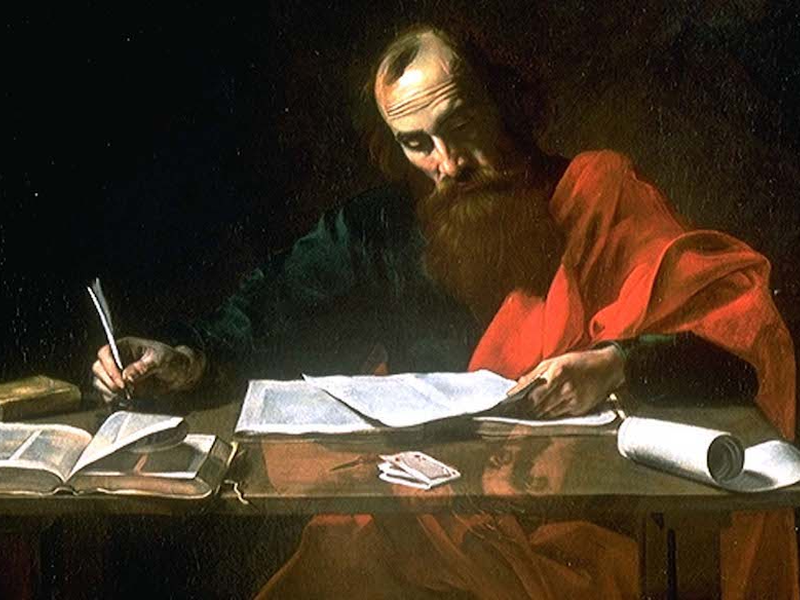
Romans

Notes on Scary Stuff in Romans 9

What shall we say then? Is there injustice on God’s part? By no means! For he says to Moses, “I will have mercy on whom I have mercy, and I will have compassion on whom I have compassion.” So then it depends not on human will or exertion, but on…

by Mark HorneFebruary 5, 2015

lunch-counter
American Politics

Covenants of Exclusion

A hundred years ago, William Warley signed a contract to buy a house in Louisville, Kentucky from Charles Buchanan, a white man. Before closing the sale, Warley, who was black, learned that the lot was subject to a city ordinance barring blacks from occupying the premises if most of the…

by Brendan O'DonnellFebruary 3, 2015
shakespeare-2
Literature

The Bard and the Book

I concluded the first essay on this topic by saying that I would introduce three books about Shakespeare and the Bible, but I decided to introduce four instead. The three books become four are: Naseeb Shaheen, Biblical References in Shakespeare’s Plays (London: Associated University Presses, 1999) ; Hannibal Hamlin, The…

by Ralph Allan SmithJanuary 29, 2015
augustine-2
Augustine

Augustine on Pagan Virtue

My children attend a classical Christian school, situated in the independent “free church” evangelical tradition. Over the past few years they have been growing in their acquaintance with the world of Homer, Plato, Virgil, and Livy. They enjoy it, and I envy it. The school is a great school. My…

by Gerald HiestandJanuary 27, 2015
prodigal-son
Atonement

The Prodigal and the Cross

The Prodigal Son parable (Luke 15) has been a favorite of liberal theologians for a couple of centuries. It seems to be a parable designed for liberal sensibilities: An indulgent, accepting Father; forgiveness extended without a cross; a surly older brother who might represent the "conservative" face of religion who…

by Peter LeithartJanuary 22, 2015
sky-from-bridge
Ascension

Underground Man, Ascended Man

“I want now to tell you, gentlemen, whether you care to hear it or not, why I could not even become an insect. I tell you solemnly, that I have many times tried to become an insect. But I was not equal even to that. I swear, gentlemen, that to…

by Richard BledsoeJanuary 20, 2015

Showing page 161 of 309

See all
See all

The Church and Civil Power

The church’s stance with regard to civil order is neatly articulated in Romans, provided we read chapters 12-13 together. Romans 13 makes it clear that God has given rulers the sword, and that they are to use it for just vengeance. They bear the sword to punish evildoers and to…

May 17, 2017
Liberalism

Limitless Liberalism

D espite its claims to the contrary, Patrick Deneen writes in a 2014 piece in The American Conservative , “liberalism was never about ‘limited' government” or curbing absolutism. Rather, liberalism is about “the pursuit and exercise of potentially limitless power toward seemingly ‘limited' ends of securing Rights.” The limitation on…

May 16, 2017

Greatening Greatness

I n David's final speech (1 Chronicles 29), he offers a fivefold praise of God's perfections (v. 11): Yours is . . . 1. Greatness ( gedolah ) 2. Power ( giburah , related to gibbor , “mighty man”) 3. Glory 4. Victory 5. Majesty He adds an expansive note…

May 16, 2017

That Old Capitalist Religion

P atrick Murray's essay in Culmination of Capital lays out sixfold aim of Marx's Capital : to present and examine in the form of a systematic dialectic the social forms constitutive of the capitalist order, beginning with the (generalized) commodity; to expose capitalist society, in its enlightened secularism, to be…

May 15, 2017

Parents as Strangers

I n the Divine Institutes , Lactantius takes on Plato's endorsement of common property. He makes a grudging admission that it might be “supported so long as it appears to refer only to money.” After all, “everyone should be wise enough to despise money!” (translation from From Irenaeus to Grotius…

May 12, 2017

Justice Christianized

“W e dismiss what philosophers take to be the fundamental exercise of justice,” writes Ambrose in his Christianized Ciceronian treatise de officiis (translation, F rom Irenaeus to Grotius , 84-5). According to Ambrose's summary, philosophical justice takes as “the primary criterion . . . that we do no harm except…

May 12, 2017

Showing page 175 of 2212

Browse by Category

In Medias Res

Your weekly digest for all things Theopolis.

Donate

Theopolis is nearly 100% donor-supported. Consider joining us on our mission.